





- Ronny Mor
- •
- 8 Min Read
- •
- 2 hours ago
Key Points
- Microsoft, Amazon, Alphabet, Meta, and Oracle have committed approximately $1.09 trillion in future lease payments tied primarily to AI data center expansion.
- Many of these obligations have not yet appeared as lease liabilities on corporate balance sheets, creating growing investor focus on future financial commitments.
- The AI infrastructure race is reshaping how analysts evaluate leverage, capital allocation, and long-term financial risk across the technology sector.
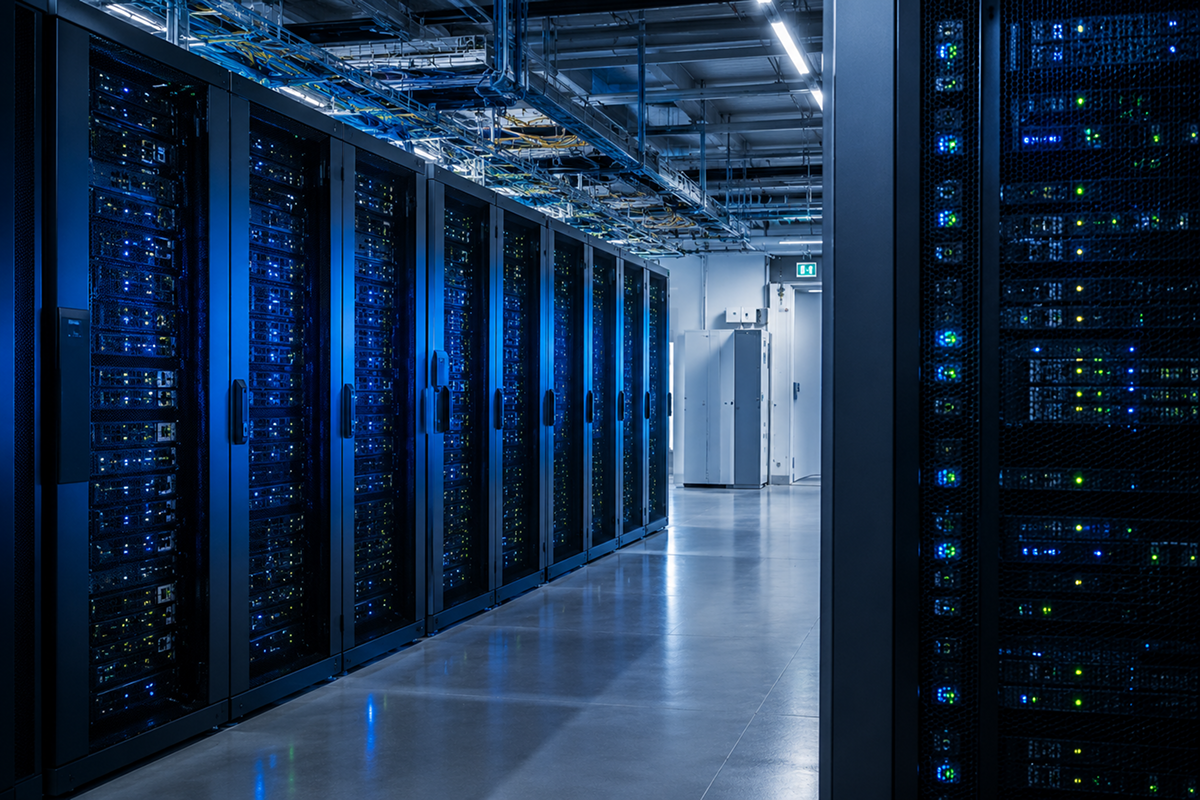
The global artificial intelligence race is no longer measured solely by semiconductor purchases and capital expenditures. Increasingly, it is also being driven by long-term lease commitments as major technology companies secure enormous amounts of data center capacity to support future AI workloads. According to a Reuters analysis, the industry’s largest cloud providers have now committed approximately $1.09 trillion in lease payments that have yet to begin, underscoring the unprecedented scale of AI infrastructure investment.
These commitments demonstrate that much of the industry’s AI spending has already been locked in, even though many of the associated obligations have not yet appeared as traditional debt-like liabilities on company balance sheets. For investors, the figures provide a more complete picture of the financial commitments supporting the next phase of AI development.
Future Lease Commitments Become a Critical Financial Metric
Microsoft, Amazon, Alphabet, Meta Platforms, and Oracle have collectively committed more than $1 trillion in future lease payments, primarily for hyperscale data centers required to support artificial intelligence applications. Rather than purchasing every facility outright, many companies are entering long-term lease agreements that provide flexibility while enabling rapid expansion.
These contracts represent obligations that have largely not commenced, meaning they remain outside many headline leverage measures. Although they do not currently appear as lease liabilities under accounting standards, they represent substantial future financial commitments that investors increasingly consider when assessing corporate balance sheets.
The scale of these agreements reflects management confidence that AI demand will continue expanding for years. At the same time, they also demonstrate that technology companies are making long-term financial commitments well before realizing the full economic return from these investments.
AI Infrastructure Spending Is Reshaping Financial Analysis
The growing reliance on long-term leases illustrates how artificial intelligence is changing traditional methods of corporate finance. Historically, investors focused primarily on capital expenditures, debt levels, and free cash flow. Today, analysts are increasingly evaluating future contractual obligations that may not yet be fully reflected in reported leverage ratios.
Companies with stronger balance sheets, including Microsoft and Alphabet, generally possess greater financial flexibility to absorb these commitments. Others, such as Oracle, have relied more heavily on borrowing alongside lease agreements, leading investors and credit agencies to examine their capital structures more closely.
The AI investment cycle therefore extends beyond quarterly earnings. It requires investors to evaluate whether companies can generate sufficient recurring revenue from cloud computing and AI services to support years of infrastructure spending while maintaining healthy balance sheets.
Demand Expectations Must Match Massive Infrastructure Expansion
Technology executives continue to argue that enterprise demand for artificial intelligence justifies the industry’s unprecedented infrastructure buildout. Cloud providers are racing to secure computing capacity before shortages emerge, while businesses increasingly deploy AI across customer service, software development, cybersecurity, manufacturing, and financial services.
However, the size of future lease commitments also raises important questions regarding utilization rates and investment returns. If AI adoption continues accelerating, these facilities could become highly productive long-term assets. Conversely, slower-than-expected demand could pressure profitability by leaving companies with substantial fixed financial obligations.
For global investors, including those in Israel, the rapid growth of AI infrastructure spending highlights an important shift in evaluating technology companies. Future success will increasingly depend not only on innovation but also on capital discipline, efficient resource utilization, and the ability to convert massive infrastructure investments into sustainable recurring cash flow.
Looking ahead, investors will closely monitor cloud revenue growth, AI service adoption, free cash flow generation, and future disclosures surrounding lease obligations. As artificial intelligence becomes an increasingly important driver of corporate strategy, understanding off-balance-sheet commitments may become just as important as analyzing earnings, debt levels, and traditional capital expenditures when assessing the financial strength of the world’s largest technology companies.
Comparison, examination, and analysis between investment houses
Leave your details, and an expert from our team will get back to you as soon as possible
* This article, in whole or in part, does not contain any promise of investment returns, nor does it constitute professional advice to make investments in any particular field.
To read more about the full disclaimer, click here
- sagi habasov
- •
- 8 Min Read
- •
- ago 9 minutes
SKN | ASML Raises Interim Dividend 17% While Reaffirming Strong 2026 Growth Outlook
ASML Boosts Shareholder Returns With Higher Interim Dividend ASML Holding has strengthened its commitment to shareholder returns by increasing its
- ago 9 minutes
- •
- 8 Min Read

ASML Boosts Shareholder Returns With Higher Interim Dividend ASML Holding has strengthened its commitment to shareholder returns by increasing its

- omer bar
- •
- 7 Min Read
- •
- ago 37 minutes
SKN | SpaceX Nearly Doubles Revenue in First Public Earnings Report as Starlink and AI Drive Growth
SpaceX delivered a strong operational debut as a public company, reporting that second-quarter revenue nearly doubled while operating losses
- ago 37 minutes
- •
- 7 Min Read
SpaceX delivered a strong operational debut as a public company, reporting that second-quarter revenue nearly doubled while operating losses

- Ronny Mor
- •
- 7 Min Read
- •
- ago 37 minutes
SKN | Lucid Delays Affordable EV Launch as Cost-Cutting Strategy Takes Center Stage
Lucid Group is delaying the launch of its long-awaited affordable electric vehicle lineup until the second half of 2027,
- ago 37 minutes
- •
- 7 Min Read

Lucid Group is delaying the launch of its long-awaited affordable electric vehicle lineup until the second half of 2027,
- sagi habasov
- •
- 7 Min Read
- •
- ago 39 minutes
SKN | BYD Accelerates Brazil Expansion With First Locally Built Plug-In Hybrid Flex-Fuel Vehicle
BYD has introduced its first Brazilian-manufactured plug-in hybrid flex-fuel vehicle, marking another milestone in the Chinese automaker's international expansion
- ago 39 minutes
- •
- 7 Min Read

BYD has introduced its first Brazilian-manufactured plug-in hybrid flex-fuel vehicle, marking another milestone in the Chinese automaker's international expansion


