


- sagi habasov
- •
- 8 Min Read
- •
- 51 minutes ago
Key Points
- South Korea and India lead early gains, while Japan and mainland China trade lower in the morning session.
- Holiday schedules in China and Japan are influencing liquidity and cross-border capital flows.
- Currency markets remain relatively stable, with modest moves in the Japanese yen and Australian dollar.
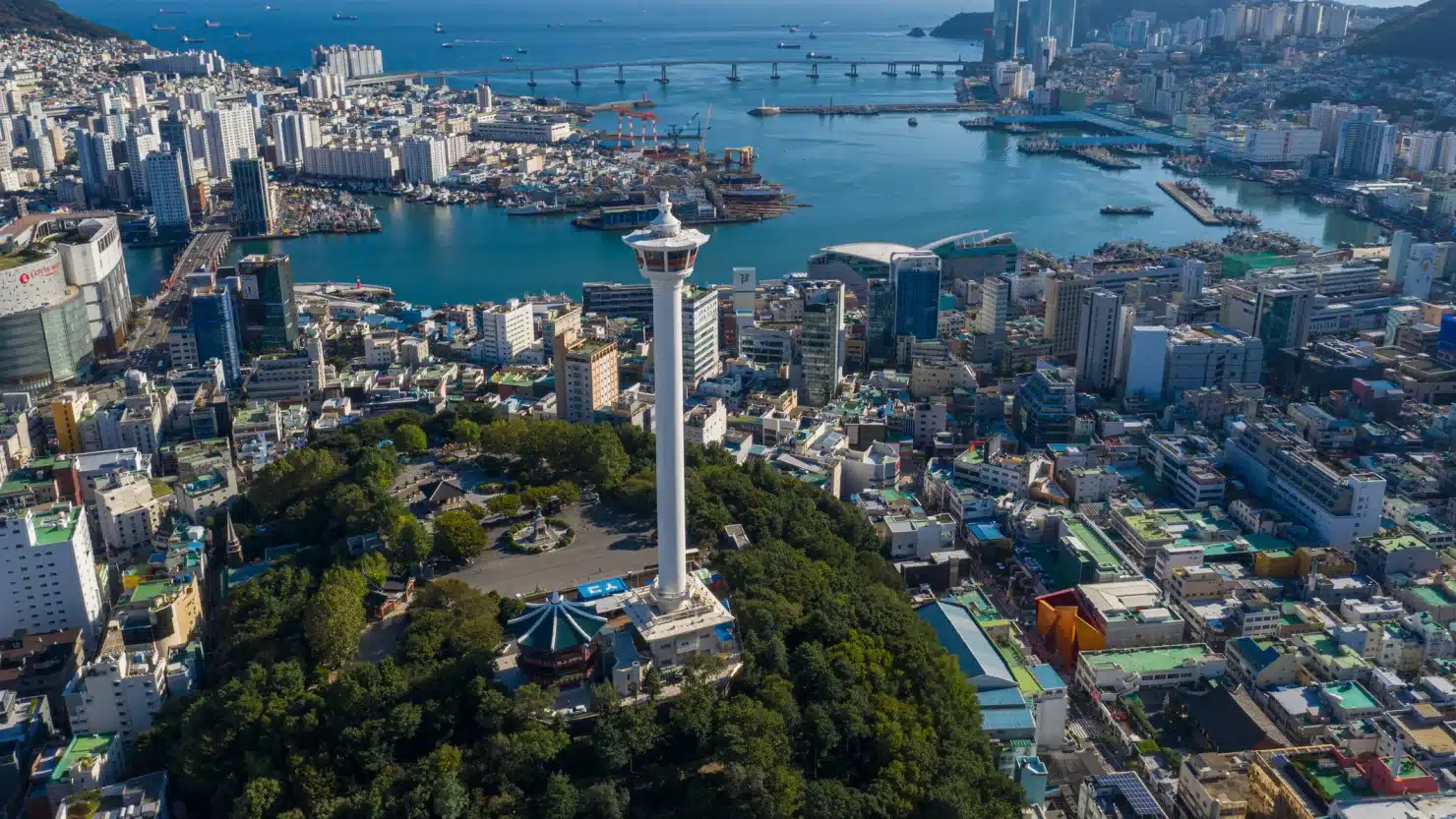
Asian financial markets opened Monday, February 23, with a mixed tone as investors assessed regional equity performance amid holiday-related trading adjustments. While select benchmarks posted solid gains in early trading, others retreated as liquidity conditions shifted due to exchange closures and commemorations across key markets. The morning session reflects a cautious but active start to the week for Asia-Pacific equities.
South Korea and India Outperform in Early Trade
South Korea’s KOSPI Composite Index advanced 1.41 percent to 5,890.20 in the morning session, emerging as one of the region’s strongest performers. The move suggests renewed investor appetite for technology and industrial exporters, sectors that remain central to Korea’s equity narrative. Global demand expectations and stable currency conditions appear to be underpinning sentiment in Seoul.
In India, the S&P BSE SENSEX climbed 0.38 percent to 82,814.71, extending its recent resilience. Domestic institutional flows and continued interest in financials and infrastructure-linked names are supporting the benchmark. For global investors monitoring emerging market allocations, India remains a relative bright spot within Asia, particularly as capital rotates selectively across high-growth economies.
Hong Kong’s Hang Seng Index was flat at 26,413.35, reflecting a pause in momentum following recent volatility. Market participants are closely watching mainland developments and cross-border investment flows, particularly in the context of holiday schedules on the mainland exchanges.
Mainland China and Japan Under Pressure Amid Holiday Factors
Mainland Chinese equities were weaker in early trading, with the SSE Composite Index declining 1.26 percent to 4,082.07. Trading conditions are influenced by the Chinese New Year period, affecting activity on the Shanghai Stock Exchange and the Shenzhen Stock Exchange. Reduced participation and thinner liquidity can amplify short-term price swings, particularly in large-cap industrial and financial stocks.
The holiday calendar is also shaping market dynamics in Japan. The Tokyo Stock Exchange is observing Emperor’s Birthday, which typically alters trading patterns and cross-market flows. Despite the holiday context, the Nikkei 225 declined 1.12 percent to 56,825.70, reflecting profit-taking after recent strength. Exporters and technology-linked names appear to be under moderate pressure in the morning session.
Currency markets showed limited volatility. The Japanese Yen Index edged down 0.03 percent to 64.50, indicating relative stability despite equity softness. Meanwhile, the Australian Dollar Index rose 0.43 percent to 70.84, suggesting modest support from commodity-linked sentiment.
Australia and Regional Cross-Asset Signals
Australia’s S&P/ASX 200 slipped 0.57 percent to 9,029.40, tracking declines in select resource and financial stocks. Given Australia’s exposure to Chinese demand, the softer tone in mainland equities and holiday-adjusted flows may be influencing positioning in Sydney.
The divergence between stronger markets such as South Korea and India and weaker performances in Japan and China underscores the selective nature of current capital allocation trends. Investors appear to be balancing cyclical exposure with defensive positioning, particularly in sectors sensitive to global trade, commodities, and technology supply chains.
From a cross-asset perspective, currency stability suggests that broader risk sentiment remains intact, even as equity benchmarks fluctuate. For sophisticated global and Israeli investors monitoring Asia-Pacific market trends, the current environment highlights the importance of tracking liquidity conditions, macro catalysts, and policy signals across the region.
Outlook: Liquidity, Policy Signals, and Global Catalysts in Focus
As the week progresses, market participants will closely monitor post-holiday trading normalization in China and Japan, as well as any shifts in foreign institutional flows. Liquidity restoration on the Shanghai and Shenzhen exchanges following Chinese New Year could clarify near-term directional trends in mainland equities. Similarly, full participation on the Tokyo Stock Exchange after Emperor’s Birthday may reveal whether the Nikkei’s pullback is temporary or part of a broader consolidation phase.
Key factors to watch include global interest rate expectations, commodity price movements, and geopolitical developments that could influence export-oriented economies. Opportunities may emerge in markets demonstrating earnings resilience and strong domestic demand, while risks remain tied to volatility in global bond yields and potential currency fluctuations. In this evolving landscape, disciplined portfolio positioning and regional diversification remain central to navigating Asia’s dynamic equity markets.
Comparison, examination, and analysis between investment houses
Leave your details, and an expert from our team will get back to you as soon as possible
* This article, in whole or in part, does not contain any promise of investment returns, nor does it constitute professional advice to make investments in any particular field.
To read more about the full disclaimer, click here
- Articles
- •
- 7 Min Read
- •
- ago 2 minutes
SKN | Dow, S&P 500 and Nasdaq Futures Slip as Tariff Fallout Weighs on Risk Appetite Ahead of Iran-US Talks
U.S. stock futures moved modestly lower in early trading, signaling a softer open for Wall Street as investors weighed the
- ago 2 minutes
- •
- 7 Min Read

U.S. stock futures moved modestly lower in early trading, signaling a softer open for Wall Street as investors weighed the

- Lior mor
- •
- 6 Min Read
- •
- ago 2 hours
SKN | Can Nvidia Earnings and Tariff Escalation Redefine Market Direction This Week?
A pivotal week awaits global markets as investors confront a rare convergence of corporate catalysts, geopolitical tension, and renewed trade-policy
- ago 2 hours
- •
- 6 Min Read

A pivotal week awaits global markets as investors confront a rare convergence of corporate catalysts, geopolitical tension, and renewed trade-policy

- omer bar
- •
- 6 Min Read
- •
- ago 12 hours
SKN | Can the TA-35 Maintain Its Upward Momentum After Surging Near 52-Week Highs?
The Tel Aviv 35 Index exhibited notable strength this week, securing a solid 1.48% advance to close at 4,232.11 by
- ago 12 hours
- •
- 6 Min Read

The Tel Aviv 35 Index exhibited notable strength this week, securing a solid 1.48% advance to close at 4,232.11 by
- Lior mor
- •
- 6 Min Read
- •
- ago 13 hours
SKN | TA-125 Tests 52-Week Highs: Can the Tel Aviv Benchmark Sustain Its Bullish Trajectory?
The Tel Aviv Stock Exchange demonstrated notable resilience this week, with the TA-125 index climbing to close at 4,202.67, representing
- ago 13 hours
- •
- 6 Min Read

The Tel Aviv Stock Exchange demonstrated notable resilience this week, with the TA-125 index climbing to close at 4,202.67, representing

