


- sagi habasov
- •
- 8 Min Read
- •
- 2 months ago
Key Points
- Amazon’s CEO says tariffs are now feeding through to consumer prices after earlier inventory buffers ran out.
- Third-party sellers are split between passing costs on, absorbing them, or taking a hybrid approach.
- The comments signal a broader inflation risk for U.S. consumers as more retailers warn of tariff-driven price pressure.
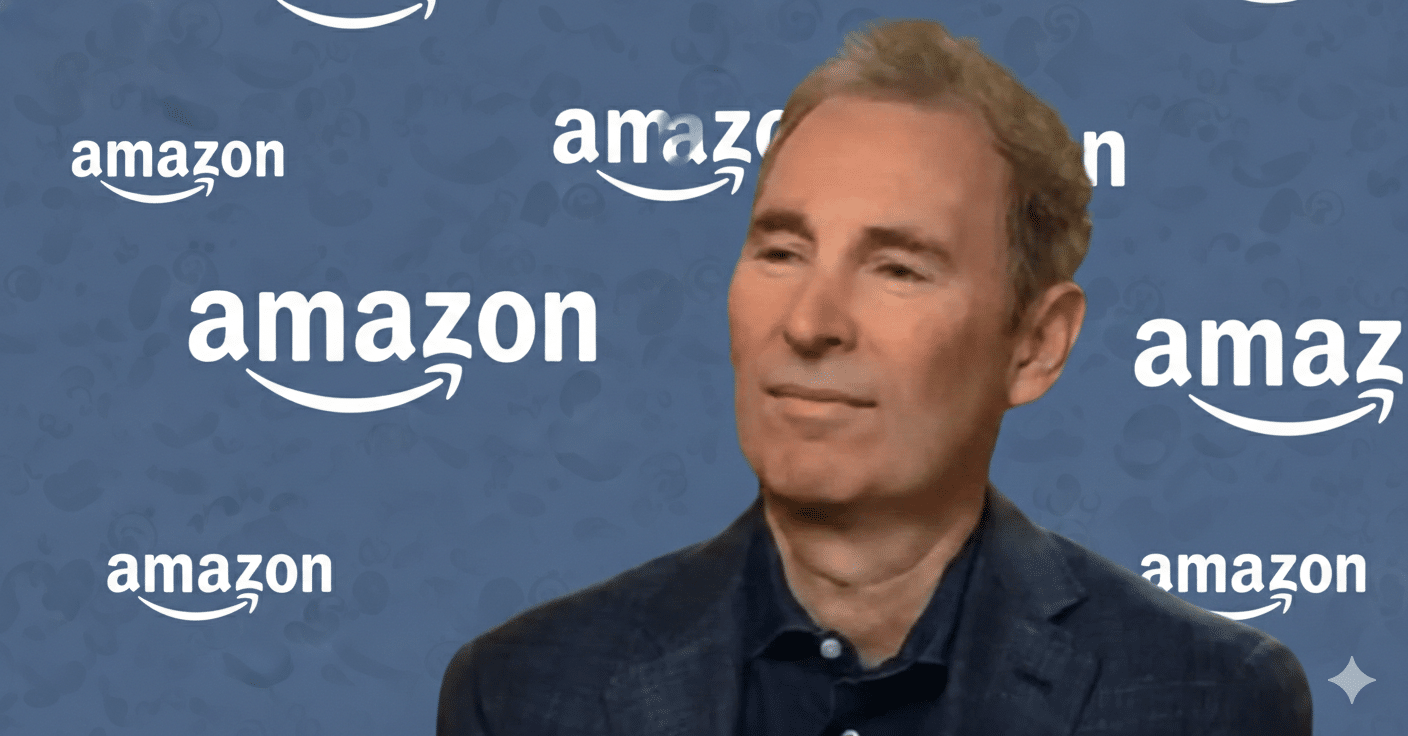
If shoppers feel their Amazon carts are getting more expensive, it may no longer be coincidence. Amazon Chief Executive Andy Jassy acknowledged this week that President Donald Trump’s sweeping tariff regime is now starting to push prices higher across parts of the platform, marking a notable shift from the company’s stance just months ago.
Speaking to CNBC on the sidelines of the World Economic Forum in Davos, Jassy said Amazon and its vast ecosystem of third-party sellers had initially insulated customers by stockpiling inventory ahead of last spring’s tariff rollout. That buffer, however, faded by the fall. As a result, higher import costs are increasingly creeping into the prices consumers see today.
From Buffer to Breakthrough in Pricing Pressure
Amazon’s scale allowed it to delay the impact of tariffs longer than many competitors. By pulling forward inventory purchases, sellers avoided immediate cost pass-throughs at a time when inflation sensitivity among consumers remained high. But Jassy’s comments underscore a reality facing much of U.S. retail: tariffs do not disappear, they accumulate.
Once pre-tariff inventory is depleted, sellers must decide how to respond. According to Jassy, some merchants are passing higher costs directly to consumers, others are absorbing them to preserve demand, and a third group is splitting the difference. That uneven response helps explain why price increases may feel selective rather than universal across Amazon’s marketplace.
A Shift From Last Year’s Messaging
The remarks stand in sharp contrast to Amazon’s position last June, when Jassy said the company had not seen prices rise “appreciably.” At the time, Amazon found itself under political scrutiny after reports suggested it might display tariff-related cost impacts on product listings. Following a call between Trump and Amazon founder Jeff Bezos, the company publicly distanced itself from the idea, limiting any such consideration to its low-cost spinoff site, Haul.
Now, the tone is more pragmatic. Jassy emphasized that Amazon will continue to push for the lowest possible prices, but conceded there are limits. “You don’t have endless options,” he said, reflecting the structural nature of tariff costs once they are embedded in supply chains.
A Broader Retail Warning Signal
Amazon is far from alone. Major retailers including Walmart, Target, and Home Depot have all warned that tariffs are making products more expensive. While headline U.S. inflation cooled last year, anecdotal evidence suggests underlying pressure is building. The Federal Reserve’s latest Beige Book notes that many businesses are planning larger price increases in 2026, citing tariffs and input costs as key drivers.
For investors, this matters because Amazon has often acted as a deflationary force in retail, using scale and logistics efficiency to suppress prices. If even Amazon is now acknowledging tariff-driven increases, it signals that the broader consumer economy may be entering a phase where price stability becomes harder to maintain.
What Comes Next for Consumers and Markets
Looking ahead, the key question is how durable this pricing pressure becomes. If tariffs remain in place or escalate, more sellers may be forced to pass costs on, potentially weighing on discretionary spending. That dynamic could test consumer resilience and complicate the Federal Reserve’s inflation outlook.
For now, Amazon’s message is measured but clear: the tariff shock that once seemed theoretical is becoming tangible. As inventory cycles reset and political trade tensions persist, shoppers may need to brace for a world where even the most efficient retailer cannot fully shield them from higher prices.
Comparison, examination, and analysis between investment houses
Leave your details, and an expert from our team will get back to you as soon as possible
* This article, in whole or in part, does not contain any promise of investment returns, nor does it constitute professional advice to make investments in any particular field.
To read more about the full disclaimer, click here
- sagi habasov
- •
- 9 Min Read
- •
- ago 1 day
SKN | Retail Reinvented: Can Macy’s AI Assistant Drive the Future of Online Shopping?
Macy’s is making a decisive move into AI-driven retail, unveiling its new “Ask Macy’s” shopping assistant as part of a
- ago 1 day
- •
- 9 Min Read
Macy’s is making a decisive move into AI-driven retail, unveiling its new “Ask Macy’s” shopping assistant as part of a

- Lior mor
- •
- 8 Min Read
- •
- ago 7 days
SKN | FedEx Enters Same-Day Delivery Race: Can It Outpace Amazon, Walmart, and Target?
FedEx is making a decisive move into the ultra-fast delivery segment, unveiling a same-day shipping solution aimed at reshaping last-mile
- ago 7 days
- •
- 8 Min Read

FedEx is making a decisive move into the ultra-fast delivery segment, unveiling a same-day shipping solution aimed at reshaping last-mile

- omer bar
- •
- 6 Min Read
- •
- ago 1 week
SKN | Chewy’s Growth Momentum Accelerates: Can AI Investments Drive the Next Phase of Profitability?
Chewy Inc (CHWY) delivered a solid Q4 2025 earnings performance, highlighting strong sales growth and continued investment in artificial
- ago 1 week
- •
- 6 Min Read

Chewy Inc (CHWY) delivered a solid Q4 2025 earnings performance, highlighting strong sales growth and continued investment in artificial
- Lior mor
- •
- 9 Min Read
- •
- ago 2 weeks
SKN | JD.com Launches Joybuy in Europe – A New Challenge to Amazon’s E-Commerce Dominance?
Chinese e-commerce giant JD.com is accelerating its international expansion strategy with the launch of Joybuy in Europe, signaling a more
- ago 2 weeks
- •
- 9 Min Read
Chinese e-commerce giant JD.com is accelerating its international expansion strategy with the launch of Joybuy in Europe, signaling a more

