


- Lior mor
- •
- 7 Min Read
- •
- 41 minutes ago
Key Points
- Palm oil surged up to 10% while wheat approached a two-year high amid supply fears.
- Energy price spikes are boosting demand for crop-based biofuels.
- Fertilizer shortages and shipping disruptions could drive future food inflation.
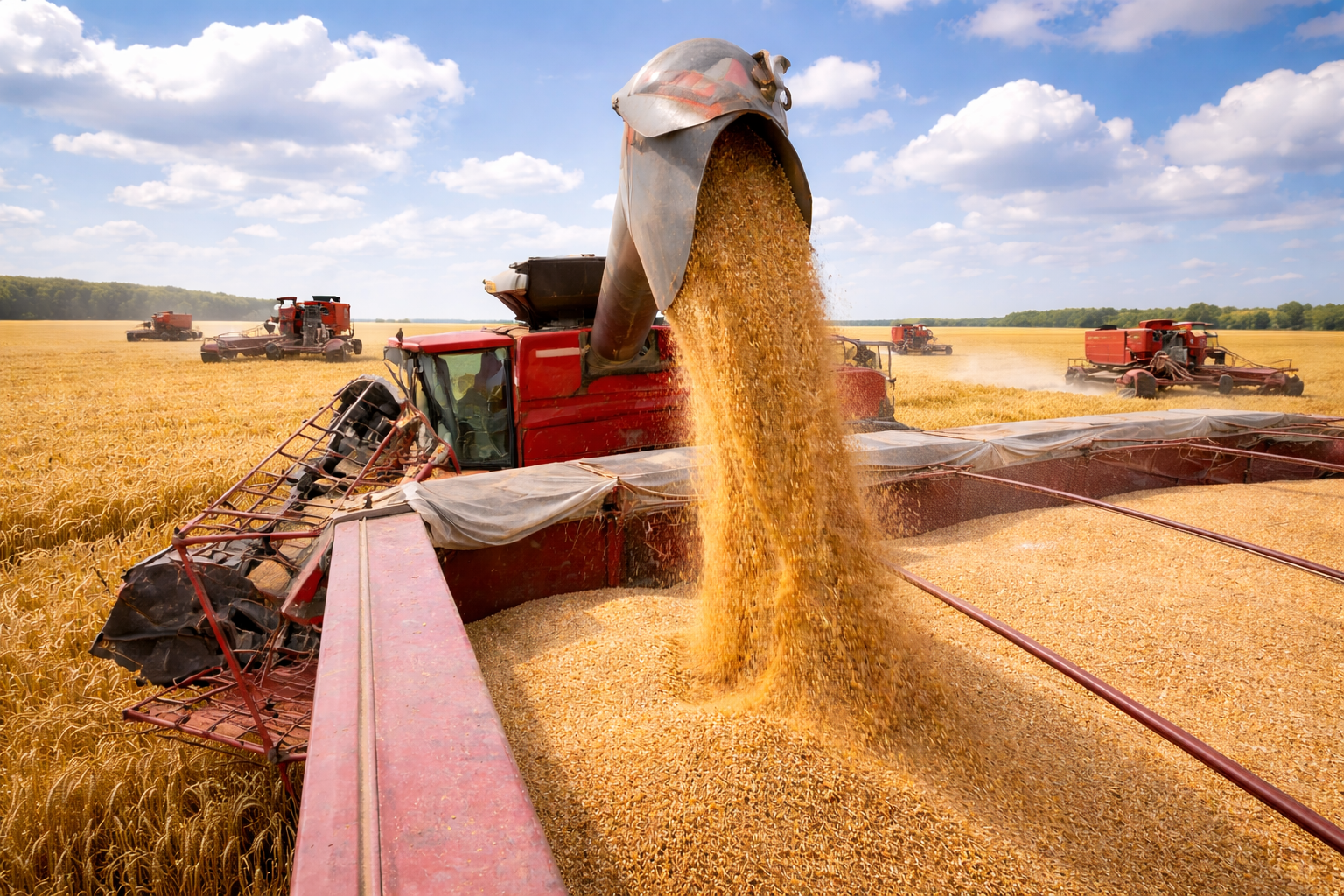
Global agricultural markets are experiencing a sharp rally as escalating geopolitical tensions in the Middle East disrupt energy markets, fertilizer supply chains, and international shipping routes. Prices for key commodities such as palm oil, wheat, corn, and soybean oil surged as investors and food-importing nations began to price in the risk of tightening supply. The latest developments highlight the interconnected nature of commodity markets, where shocks in energy and logistics can rapidly cascade into food inflation and agricultural volatility.
Energy Shock Fuels Agricultural Commodity Rally
One of the primary catalysts behind the recent spike in crop prices is the dramatic rise in crude oil costs. Energy markets have surged as the conflict threatens global supply routes, pushing oil prices sharply higher and triggering ripple effects across multiple commodity sectors.
Higher oil prices tend to boost demand for crop-based biofuels such as biodiesel and ethanol. Vegetable oils, including palm oil and soybean oil, are key feedstocks in biodiesel production. As fuel prices climb, biofuel producers increase their demand for these agricultural inputs, tightening global supply and driving prices upward.
Palm oil prices jumped as much as 10%, marking their biggest single-day increase since the export ban imposed by Indonesia in 2022. Soybean oil futures also climbed sharply, extending a rally that has lasted more than ten consecutive trading sessions, the longest streak since the commodity boom of 2008.
The trend reflects how agricultural commodities often follow energy markets during periods of geopolitical instability.
Fertilizer Supply Risks Add Pressure to Crop Markets
Beyond energy prices, disruptions to fertilizer supply are adding another layer of pressure on global crop markets. The Strait of Hormuz, a vital shipping route for fertilizers and agricultural inputs, has become a focal point of market concern.
With shipping traffic through the region effectively disrupted, fertilizer prices have spiked as farmers rush to secure supplies. Fertilizers play a critical role in crop yields, and shortages can lead to reduced production in future growing seasons.
While many farmers have already locked in fertilizer purchases for the current planting cycle, the longer-term implications could be significant. If supply disruptions persist, farmers may face higher input costs in the next planting season, potentially reducing production or raising the price at which crops must be sold to remain profitable.
These dynamics increase the likelihood that the current surge in agricultural prices could persist beyond the immediate geopolitical shock.
Food Security Concerns Trigger Global Stockpiling
Another factor supporting higher crop prices is the growing concern among governments about food security. In times of geopolitical conflict, countries often increase purchases of staple commodities to build strategic reserves and shield domestic markets from potential shortages.
Wheat prices climbed toward a two-year high as buyers anticipated stronger demand from countries seeking to secure supplies. Corn and soybean futures also moved higher as investors bet that global grain inventories could tighten if trade disruptions intensify.
China’s agricultural markets echoed the global trend, with soybean meal and palm oil futures surging on domestic exchanges. The sharp price movements highlight how quickly sentiment can shift when geopolitical tensions threaten supply chains.
Looking ahead, the trajectory of agricultural prices will depend heavily on the duration of the conflict and the stability of key shipping routes. If energy costs remain elevated and fertilizer supply remains constrained, global food markets may face prolonged inflationary pressure. For investors and policymakers alike, the intersection of energy, agriculture, and geopolitics is becoming an increasingly critical factor shaping the global economic outlook.
Comparison, examination, and analysis between investment houses
Leave your details, and an expert from our team will get back to you as soon as possible
* This article, in whole or in part, does not contain any promise of investment returns, nor does it constitute professional advice to make investments in any particular field.
To read more about the full disclaimer, click here
- sagi habasov
- •
- 5 Min Read
- •
- ago 9 hours
SKN | How $100 Oil Could Directly Impact Your Wallet and Household Budget
As oil prices approach $100 per barrel, consumers and businesses worldwide are bracing for tangible economic effects. Beyond fueling cars,
- ago 9 hours
- •
- 5 Min Read
As oil prices approach $100 per barrel, consumers and businesses worldwide are bracing for tangible economic effects. Beyond fueling cars,

- Lior mor
- •
- 5 Min Read
- •
- ago 10 hours
SKN | Gold Dips as Soaring Oil Prices Raise Fears of Higher Interest Rates
Gold prices retreated on Monday as oil markets surged, fueling concerns that higher energy costs could accelerate inflation and force
- ago 10 hours
- •
- 5 Min Read

Gold prices retreated on Monday as oil markets surged, fueling concerns that higher energy costs could accelerate inflation and force

- Ronny Mor
- •
- 8 Min Read
- •
- ago 10 hours
SKN | Could a Prolonged Conflict with Iran Send Global Gas Prices Soaring?
Escalating geopolitical tensions in the Middle East have once again placed global energy markets on alert. While oil prices typically
- ago 10 hours
- •
- 8 Min Read

Escalating geopolitical tensions in the Middle East have once again placed global energy markets on alert. While oil prices typically
- Lior mor
- •
- 7 Min Read
- •
- ago 21 hours
SKN | Is $100 Oil Next? Crude Surges Above $90 as Middle East Conflict Threatens Global Supply
Crude oil prices jumped sharply this week, pushing above $90 per barrel and reaching their highest levels since August 2022
- ago 21 hours
- •
- 7 Min Read
Crude oil prices jumped sharply this week, pushing above $90 per barrel and reaching their highest levels since August 2022

