


- sagi habasov
- •
- 7 Min Read
- •
- 4 hours ago
Key Points
- Apple is accelerating development of AI-powered wearable devices, signaling a deeper push into next-generation personal computing.
- The strategy aims to expand recurring services revenue and strengthen ecosystem lock-in.
- Investors are assessing whether AI wearables can offset slowing smartphone growth and intensifying competition.
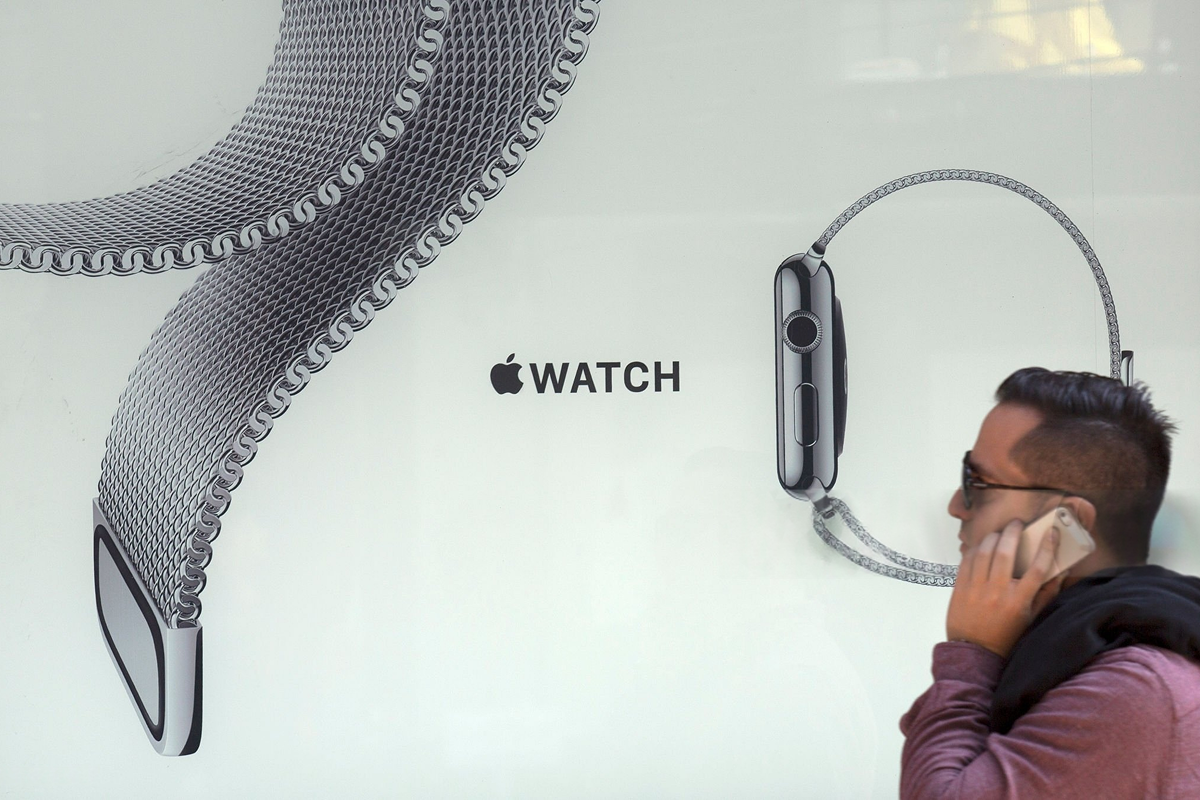
Apple Inc. is intensifying efforts to integrate artificial intelligence into its wearable product lineup, marking a strategic shift as the global technology sector pivots toward AI-driven consumer experiences. The move comes at a time when hardware growth across smartphones has moderated, pushing major tech companies to seek new innovation cycles capable of sustaining premium valuations.
For investors in Israel and globally, the development underscores a broader transformation in consumer electronics—where AI functionality, rather than hardware upgrades alone, may define the next competitive frontier.
From iPhone Dominance to AI-Enhanced Ecosystems
Apple’s revenue base remains heavily anchored in the iPhone, which historically accounts for roughly half of total sales. However, wearables—including the Apple Watch and AirPods—have evolved into a meaningful segment within Apple’s broader products category, contributing tens of billions of dollars annually in recent fiscal years.
The acceleration of AI-powered wearables suggests Apple is seeking to transform these devices from accessory products into intelligent, context-aware platforms. Enhanced health monitoring, real-time language translation, adaptive user interfaces, and AI-assisted communication tools are widely expected to define the next iteration of wearable innovation.
By embedding on-device AI capabilities, Apple may reduce reliance on cloud-based processing while strengthening its privacy-centric positioning—an important differentiator in global markets increasingly sensitive to data governance concerns.
Financial Implications and Market Reaction
Apple’s stock has benefited from broader enthusiasm surrounding the AI theme that has driven U.S. equity markets over the past year. Investors have rewarded companies perceived as having credible AI integration strategies, particularly those capable of monetizing AI through consumer hardware and services ecosystems.
Wearables offer Apple both hardware margin potential and incremental services revenue. Features tied to subscription health analytics, premium AI assistants, and ecosystem-based digital services could enhance recurring revenue streams. Apple’s services segment, which includes the App Store, Apple Music, and cloud offerings, already generates high-margin revenue, and AI-enhanced wearables could deepen that monetization channel.
However, development costs, semiconductor supply dynamics, and competitive pressures from firms such as Samsung and emerging AI-native hardware startups remain variables. The market will be watching capital expenditure trends and R&D intensity to assess whether AI wearables can deliver a return profile similar to previous product cycles.
Strategic Positioning in a Competitive AI Landscape
The global AI race is increasingly hardware-driven. Companies including Microsoft and Google are embedding AI across software platforms, while chipmakers such as NVIDIA dominate infrastructure supply chains. Apple’s differentiation lies in vertical integration—combining proprietary silicon, operating systems, and tightly controlled hardware ecosystems.
This approach could allow Apple to optimize AI performance directly on devices, improving speed and privacy while reducing dependency on external AI models. In markets such as Israel, where cybersecurity and data sovereignty are strategic considerations, Apple’s privacy narrative may resonate with institutional investors evaluating long-term exposure to consumer tech leaders.
At the same time, the wearable market is not without risk. Consumer adoption cycles can be uneven, and pricing power may face constraints if economic growth softens globally. The success of AI wearables will depend not only on technological capability but also on whether consumers perceive clear utility beyond novelty.
Looking ahead, investors will monitor product launch timelines, AI feature rollouts, and commentary during upcoming earnings calls. Key indicators include wearables revenue growth rates, services attachment metrics, and gross margin stability. If Apple successfully converts AI innovation into ecosystem expansion, the company could reinforce its position as a structural leader in next-generation consumer technology. Conversely, execution delays or muted adoption could temper expectations in an already valuation-sensitive environment.
Comparison, examination, and analysis between investment houses
Leave your details, and an expert from our team will get back to you as soon as possible
* This article, in whole or in part, does not contain any promise of investment returns, nor does it constitute professional advice to make investments in any particular field.
To read more about the full disclaimer, click here
- sagi habasov
- •
- 7 Min Read
- •
- ago 2 minutes
SKN | Apple’s AI Wearable Push: Can Smart Glasses, a Pendant and Camera AirPods Redefine the Post-iPhone Era?
Apple is accelerating development of three new wearable devices — smart glasses, a camera-enabled pendant and upgraded AirPods — in
- ago 2 minutes
- •
- 7 Min Read
Apple is accelerating development of three new wearable devices — smart glasses, a camera-enabled pendant and upgraded AirPods — in

- Lior mor
- •
- 7 Min Read
- •
- ago 1 day
SKN | Can Nexperia’s $60 Million State-Backed Loan Reinforce Europe’s Semiconductor Strategy?
Dutch semiconductor manufacturer Nexperia is set to receive a $60 million loan from state-owned development financier Invest International, a move
- ago 1 day
- •
- 7 Min Read

Dutch semiconductor manufacturer Nexperia is set to receive a $60 million loan from state-owned development financier Invest International, a move
- sagi habasov
- •
- 7 Min Read
- •
- ago 1 day
SKN | SpaceX Enters Pentagon Autonomous Drone Contest: A New Defense-Tech Frontier?
SpaceX is reportedly set to compete in a U.S. Department of Defense contest aimed at accelerating the development of
- ago 1 day
- •
- 7 Min Read

SpaceX is reportedly set to compete in a U.S. Department of Defense contest aimed at accelerating the development of

- Arik Arkadi Sluzki
- •
- 7 Min Read
- •
- ago 1 day
SKN | Is AI’s Labor Market Disruption Overstated? Economists Say the Impact Is Still Premature
Artificial intelligence has been widely portrayed as a transformative force capable of reshaping global employment. Yet several economists argue
- ago 1 day
- •
- 7 Min Read

Artificial intelligence has been widely portrayed as a transformative force capable of reshaping global employment. Yet several economists argue

