


- orshu
- •
- 7 Min Read
- •
- 45 minutes ago
Key Points
- Jim Cramer describes Apple (AAPL) as a potential “free rider” in the current AI-driven market rally.
- Unlike chipmakers and cloud providers, Apple’s AI monetization strategy remains more ecosystem-based than infrastructure-driven.
- Apple’s valuation hinges on services growth, hardware cycles, and capital return policy rather than pure AI spending momentum.
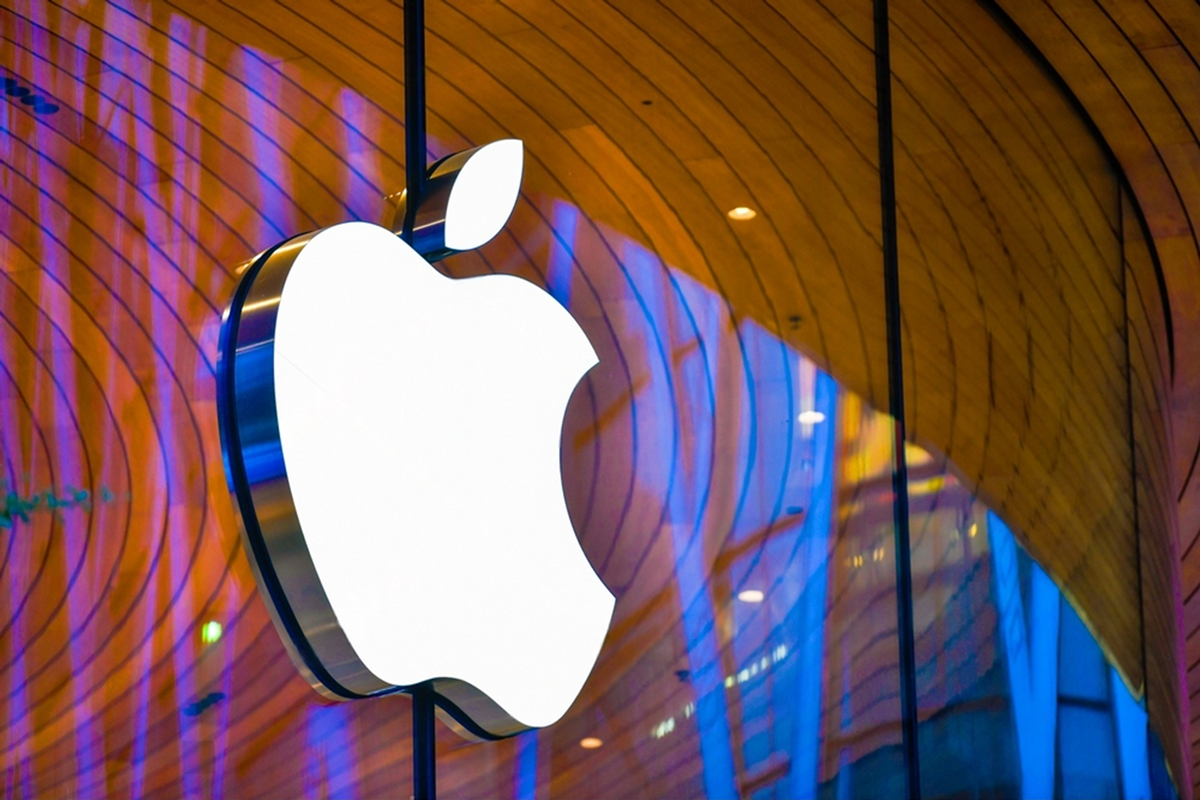
As artificial intelligence continues to dominate equity narratives, CNBC’s Jim Cramer recently referred to Apple (AAPL) as a “free rider” in the AI boom. The comment reflects a growing debate on Wall Street: Is Apple benefiting from AI enthusiasm without directly driving the infrastructure layer that powers it?
In a market environment where semiconductor and data center names have captured outsized attention, Apple’s more measured AI strategy raises strategic questions for global investors, including Israeli institutions with significant exposure to U.S. mega-cap technology stocks.
AI Exposure Without Infrastructure Risk
Unlike companies such as NVIDIA or cloud hyperscalers investing heavily in AI servers and accelerators, Apple’s exposure to artificial intelligence is largely embedded within its device ecosystem. AI-driven features in iOS, photography, voice processing, and on-device machine learning enhance product value but do not require Apple to shoulder massive capital expenditures in data center buildouts.
This positioning supports Cramer’s “free rider” characterization: Apple benefits from the broader AI enthusiasm lifting technology valuations while maintaining a capital-light AI deployment model. Its approach focuses on consumer-facing applications rather than infrastructure dominance.
From a risk management perspective, this reduces exposure to potential AI hardware oversupply cycles. However, it also means Apple’s upside is less directly tied to explosive AI infrastructure demand.
Financial Strength Anchored in Services and Capital Returns
Apple remains one of the world’s most profitable companies, consistently generating strong free cash flow and maintaining robust gross margins. Revenue diversification through Services—including App Store, Apple Music, iCloud, and payment platforms—has stabilized earnings beyond the iPhone cycle.
For investors in Israel and globally, Apple’s appeal often lies in its balance sheet strength and shareholder return program. The company has historically returned significant capital through dividends and share repurchases, supporting earnings per share growth even during hardware demand fluctuations.
However, smartphone market maturity and slower global consumer spending present structural challenges. While premium pricing power remains intact, unit growth is unlikely to mirror the hyper-growth seen in earlier product cycles.
Strategic Implications in a Shifting Tech Landscape
Apple’s strategic calculus centers on ecosystem control rather than infrastructure expansion. AI integration is designed to reinforce hardware stickiness, deepen user engagement, and drive incremental services revenue. This differs materially from companies monetizing AI through enterprise cloud subscriptions or chip sales.
In global markets, mega-cap technology names such as Apple significantly influence index performance. Israeli pension funds and institutional portfolios with exposure to U.S. benchmarks are indirectly affected by Apple’s weight in indices like the S&P 500 and Nasdaq.
At the same time, regulatory scrutiny—ranging from antitrust investigations in the U.S. and Europe to digital marketplace oversight—remains a potential overhang. Currency fluctuations, particularly U.S. dollar strength, also impact multinational revenue translation.
Looking ahead, investors will monitor iPhone upgrade cycles, services growth acceleration, AI feature monetization, regulatory developments, and capital allocation discipline. If Apple successfully embeds AI enhancements that drive hardware refresh demand without incurring heavy infrastructure costs, the “free rider” label may prove strategically advantageous. However, if AI spending shifts consumer expectations toward transformative breakthroughs, markets may demand clearer evidence of monetization leverage. In a technology sector defined by rapid evolution, Apple’s disciplined ecosystem strategy will be tested against the intensity of the global AI arms race.
Comparison, examination, and analysis between investment houses
Leave your details, and an expert from our team will get back to you as soon as possible
* This article, in whole or in part, does not contain any promise of investment returns, nor does it constitute professional advice to make investments in any particular field.
To read more about the full disclaimer, click here
- Lior mor
- •
- 7 Min Read
- •
- ago 1 minute
SKN | Palantir Soars as AI Pure-Play: Can PLTR Sustain Its Premium After Truist Reaffirms Buy?
Palantir Technologies (PLTR) has emerged as one of the most closely watched artificial intelligence equities, with shares climbing sharply
- ago 1 minute
- •
- 7 Min Read

Palantir Technologies (PLTR) has emerged as one of the most closely watched artificial intelligence equities, with shares climbing sharply

- omer bar
- •
- 7 Min Read
- •
- ago 1 hour
SKN | NVIDIA Didn’t Just Lead AI—It Invented the Category, Says Jim Cramer
As artificial intelligence spending accelerates globally, NVIDIA (NVDA) continues to anchor the AI investment narrative. CNBC’s Jim Cramer recently
- ago 1 hour
- •
- 7 Min Read
As artificial intelligence spending accelerates globally, NVIDIA (NVDA) continues to anchor the AI investment narrative. CNBC’s Jim Cramer recently

- Ronny Mor
- •
- 7 Min Read
- •
- ago 2 hours
SKN | Forget Tariffs: Why Earnings Quality May Be Wall Street’s Real Risk in 2026
While tariff headlines and geopolitical tensions continue to dominate market narratives, a more subtle risk may be emerging beneath
- ago 2 hours
- •
- 7 Min Read

While tariff headlines and geopolitical tensions continue to dominate market narratives, a more subtle risk may be emerging beneath

- sagi habasov
- •
- 6 Min Read
- •
- ago 3 hours
SKN | Baidu Integrates OpenClaw Into Search App Ahead of Lunar New Year, Escalating China’s AI Race
Baidu has integrated OpenClaw, an advanced AI capability, into its core search application ahead of Lunar New Year, positioning
- ago 3 hours
- •
- 6 Min Read
Baidu has integrated OpenClaw, an advanced AI capability, into its core search application ahead of Lunar New Year, positioning

