


- Ronny Mor
- •
- 6 Min Read
- •
- 2 months ago
Key Points
- American Airlines reported mixed Q4 2025 results as strong demand was offset by cost pressures and operational challenges.
- Management emphasized balance sheet discipline while navigating fuel volatility and labor expenses.
- Guidance signaled cautious optimism amid a moderating post-pandemic travel environment.
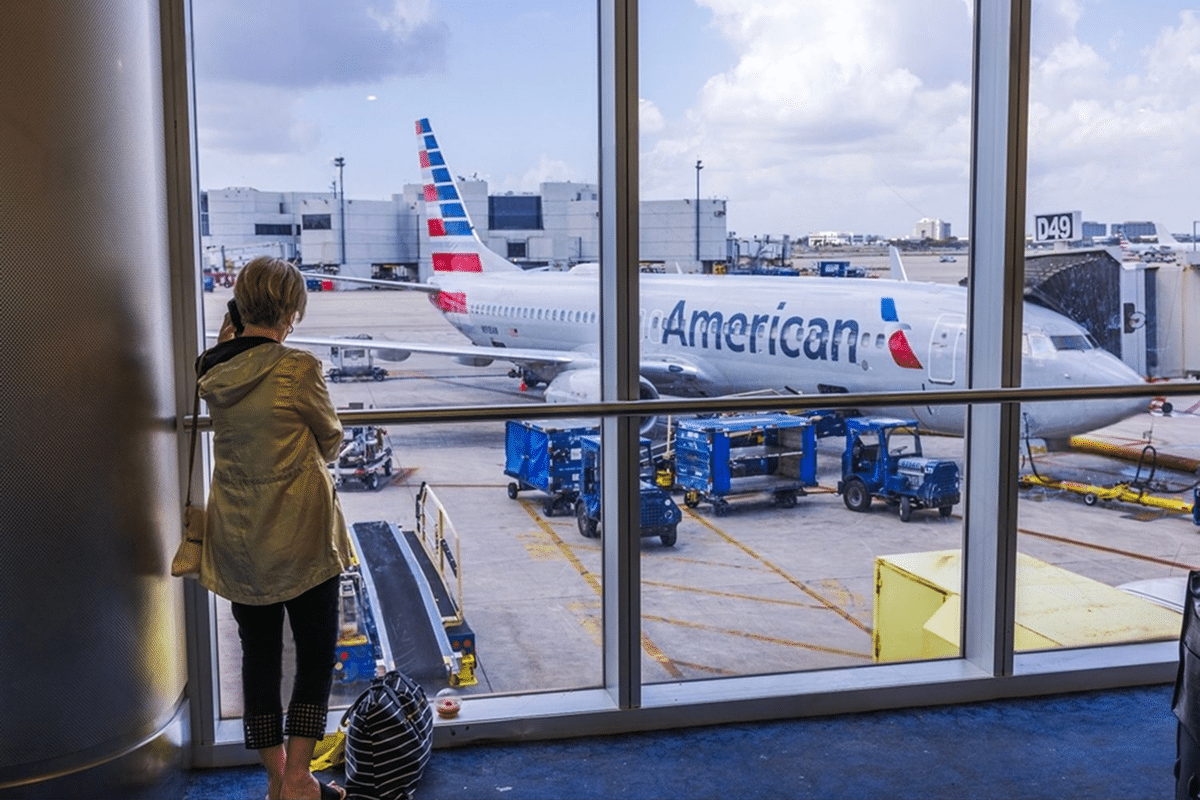
American Airlines Group Inc. entered its Q4 2025 earnings call against a backdrop of slowing global growth and a more normalized airline demand cycle. While passenger volumes remained resilient, investors focused on how effectively the carrier is managing costs and leverage as industry tailwinds ease.
Revenue Performance Meets a More Competitive Landscape
During the quarter, American Airlines benefited from steady leisure and business travel demand, particularly on international routes. Management highlighted continued strength in premium cabins and long-haul travel, which helped support unit revenue despite a competitive pricing environment.
However, executives acknowledged that the pace of revenue growth has moderated compared with earlier post-pandemic periods. Increased capacity across the industry has intensified competition, limiting airlines’ ability to pass through higher costs. For American, this dynamic underscores the importance of network optimization and yield management as growth becomes more incremental.
For global investors, including those in Israel monitoring aviation trends through transportation indices and travel-linked equities, the commentary reinforced that airlines are transitioning from recovery-driven growth to a more cyclical operating phase.
Cost Pressures Remain a Central Challenge
Cost management featured prominently in the earnings call. Fuel prices, labor agreements, and operational investments continued to weigh on margins. American noted that labor costs remain structurally higher following recent contract negotiations, a theme echoed across the US airline industry.
The company emphasized ongoing efforts to improve efficiency, including fleet modernization and operational reliability initiatives. While these measures are expected to deliver savings over time, management cautioned that near-term expenses may remain elevated.
This cost backdrop explains why profitability metrics drew close scrutiny from analysts. Even modest shifts in expenses can materially affect earnings in a high-fixed-cost business such as aviation.
Balance Sheet Strategy and Capital Allocation
American Airlines reiterated its focus on deleveraging after years of elevated borrowing. Management pointed to progress in reducing net debt and improving liquidity, framing balance sheet strength as a strategic priority rather than an optional goal.
Capital allocation remains conservative, with emphasis on debt reduction and fleet investment rather than shareholder returns. This stance reflects both higher interest rate conditions and the company’s desire to maintain flexibility should demand soften or costs rise further.
For investors, this approach signals prudence but also limits near-term catalysts tied to capital returns, keeping attention squarely on operational execution.
Looking ahead, American Airlines expects demand to remain stable but not exuberant, with performance increasingly dependent on cost discipline, capacity alignment, and macroeconomic conditions. Risks include fuel price volatility, labor inflation, and potential demand sensitivity to economic slowdowns. At the same time, opportunities lie in international expansion, premium travel recovery, and continued balance sheet improvement. As the airline industry enters a more mature phase of the cycle, investors will be watching whether American can translate resilience into sustainable profitability rather than relying on external tailwinds.
Comparison, examination, and analysis between investment houses
Leave your details, and an expert from our team will get back to you as soon as possible
* This article, in whole or in part, does not contain any promise of investment returns, nor does it constitute professional advice to make investments in any particular field.
To read more about the full disclaimer, click here
- Ronny Mor
- •
- 8 Min Read
- •
- ago 12 hours
SKN | Broadcom’s Earnings Call Reveals Two Strategic Shifts Driving Investor Focus
The latest earnings call from Broadcom Inc. offered investors important insight into how the company is positioning itself at
- ago 12 hours
- •
- 8 Min Read

The latest earnings call from Broadcom Inc. offered investors important insight into how the company is positioning itself at

- Lior mor
- •
- 6 Min Read
- •
- ago 19 hours
SKN | Why Honda Is Scrapping Major EV Projects and Facing Its First Annual Loss
Honda has announced a dramatic shift in its electric vehicle strategy, canceling several major EV projects in North America as
- ago 19 hours
- •
- 6 Min Read

Honda has announced a dramatic shift in its electric vehicle strategy, canceling several major EV projects in North America as
- Lior mor
- •
- 6 Min Read
- •
- ago 1 day
SKN | Why Did Adobe Stock Drop Despite Strong Earnings After CEO Shantanu Narayen’s Exit Announcement?
Adobe shares declined sharply after the company announced that long-time chief executive Shantanu Narayen plans to step down after nearly
- ago 1 day
- •
- 6 Min Read

Adobe shares declined sharply after the company announced that long-time chief executive Shantanu Narayen plans to step down after nearly
- Lior mor
- •
- 7 Min Read
- •
- ago 2 days
SKN | Adobe (NASDAQ: ADBE) Beats Q1 Revenue Estimates—So Why Did the Stock Fall?
Adobe Inc. (NASDAQ: ADBE) reported fiscal first-quarter CY2026 results that exceeded Wall Street revenue expectations, yet the company’s stock
- ago 2 days
- •
- 7 Min Read

Adobe Inc. (NASDAQ: ADBE) reported fiscal first-quarter CY2026 results that exceeded Wall Street revenue expectations, yet the company’s stock

