


- Lior mor
- •
- 7 Min Read
- •
- 5 hours ago
Key Points
- Alibaba launched its enterprise AI platform “Wukong” to automate complex business workflows.
- The move intensifies competition with Chinese tech rivals including Tencent and ByteDance amid the OpenClaw-driven AI boom.
- The platform integrates with tools like Slack, Microsoft Teams, and WeChat, targeting enterprise adoption.
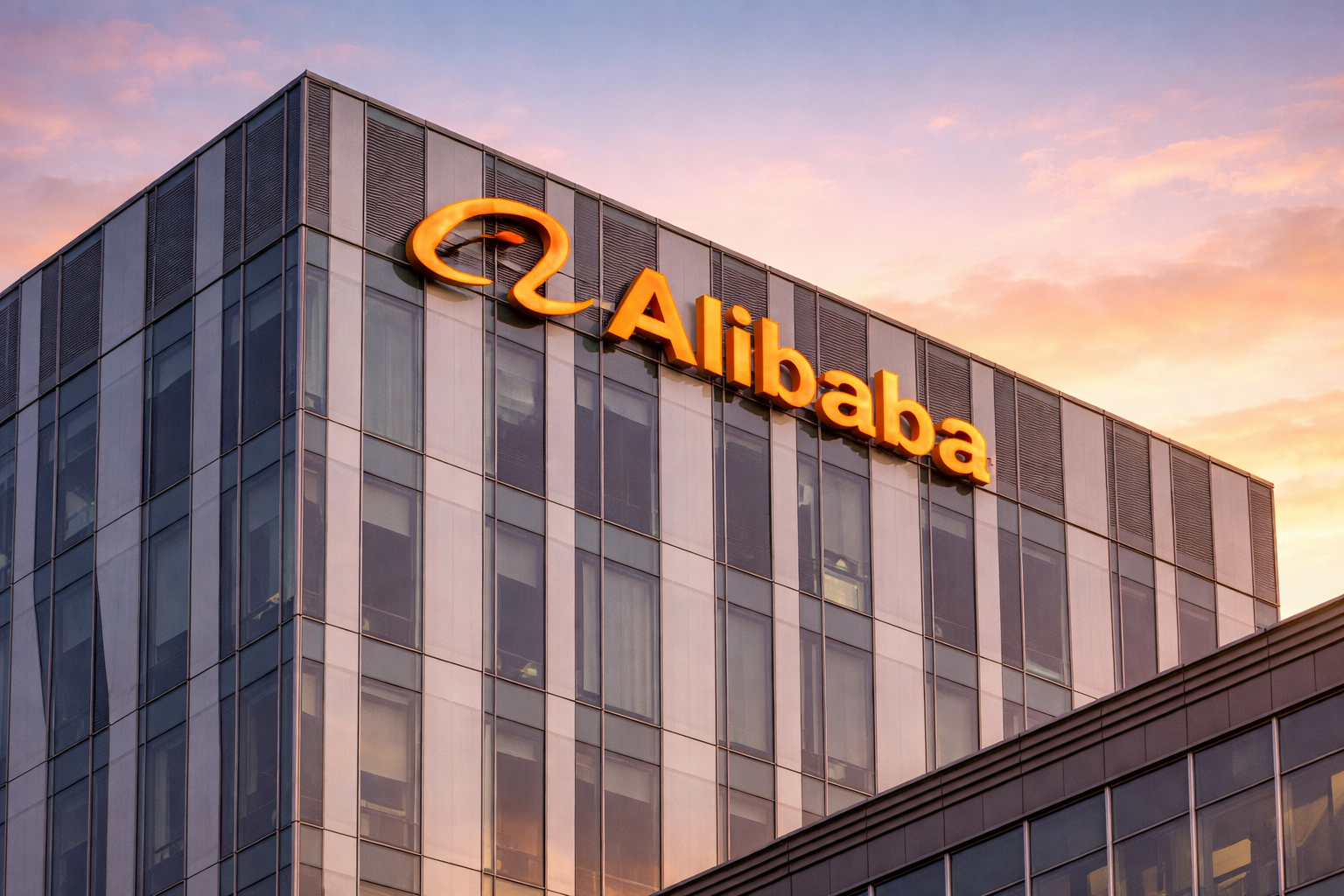
Chinese tech giant Alibaba has launched a new artificial intelligence platform for enterprises, stepping up its push into the rapidly growing AI agent market as adoption surges across China.
The platform, named Wukong, is designed to help businesses automate complex workflows by coordinating multiple AI agents within a single interface. The launch reflects Alibaba’s broader strategy to position itself at the center of enterprise AI transformation.
Wukong Targets Enterprise Automation
Alibaba’s Wukong platform enables users to perform a range of business tasks including document editing, spreadsheet management, meeting transcription, and research workflows.
The system is built around agentic AI — software capable of executing multi-step tasks autonomously — which has become one of the most competitive areas in artificial intelligence.
Currently available through invitation-only beta testing, Wukong can be accessed as a standalone desktop application or integrated directly into DingTalk, Alibaba’s workplace collaboration platform used by more than 20 million corporate users.
Integration Across Major Platforms
To accelerate adoption, Alibaba has designed Wukong to connect with widely used enterprise and messaging tools, including Slack, Microsoft Teams, and WeChat.
This cross-platform functionality allows businesses to embed AI agents directly into existing workflows without needing to overhaul their technology infrastructure.
By focusing on interoperability, Alibaba is aiming to lower barriers for enterprise adoption while expanding the reach of its AI ecosystem.
Competition Intensifies in China’s AI Agent Market
Alibaba’s move comes as China’s technology sector experiences a surge in interest around AI agents, fueled by the viral popularity of open-source tools like OpenClaw.
Major players including Tencent, ByteDance, and AI startup Zhipu AI have all introduced competing products to capture market share in this emerging category.
The rapid rollout of competing platforms highlights how AI agents are quickly becoming a strategic battleground among China’s largest technology firms.
Strategic Reorganization Signals Bigger AI Ambitions
The launch of Wukong follows Alibaba’s internal restructuring under the newly formed Alibaba Token Hub (ATH) business group, signaling a deeper commitment to artificial intelligence across its operations.
Wukong serves as the flagship product of this new unit, reflecting Alibaba’s intention to integrate AI capabilities across enterprise services, cloud computing, and digital commerce platforms.
The company has increasingly prioritized AI as a core growth driver, particularly as it seeks to strengthen its position in both domestic and global technology markets.
Regulatory and Security Concerns Emerging
Despite strong momentum, the rapid expansion of AI agent technologies has drawn scrutiny from Chinese authorities, particularly around data security and system access.
Agentic AI systems often require deep integration with user data, applications, and workflows — raising concerns about potential vulnerabilities and cyber risks.
As adoption accelerates, regulators are expected to play a more active role in shaping how these platforms are deployed across enterprises and government organizations.
What Comes Next for Enterprise AI in China
Alibaba’s Wukong launch underscores a broader shift toward AI-driven enterprise operations, where automation and intelligent agents are expected to reshape how businesses function.
The key challenge ahead will be balancing rapid innovation with security, scalability, and real-world productivity gains.
As competition intensifies and adoption grows, the companies that can deliver reliable, secure, and deeply integrated AI solutions are likely to define the next phase of China’s digital economy.
Comparison, examination, and analysis between investment houses
Leave your details, and an expert from our team will get back to you as soon as possible
* This article, in whole or in part, does not contain any promise of investment returns, nor does it constitute professional advice to make investments in any particular field.
To read more about the full disclaimer, click here
- omer bar
- •
- 6 Min Read
- •
- ago 36 minutes
SKN | Trustpilot Profit Surges as AI Search Boom Turns Review Data Into Goldmine
Trustpilot delivered a sharp rise in profitability, with annual operating profit jumping to $16 million — up more than four
- ago 36 minutes
- •
- 6 Min Read

Trustpilot delivered a sharp rise in profitability, with annual operating profit jumping to $16 million — up more than four

- Lior mor
- •
- 7 Min Read
- •
- ago 2 hours
SKN | Alibaba Overhauls Structure to Accelerate AI Monetization Push
Alibaba is undertaking a major internal restructuring to sharpen its focus on artificial intelligence profits, consolidating its sprawling AI initiatives
- ago 2 hours
- •
- 7 Min Read
Alibaba is undertaking a major internal restructuring to sharpen its focus on artificial intelligence profits, consolidating its sprawling AI initiatives
- Lior mor
- •
- 6 Min Read
- •
- ago 9 hours
SKN | Nvidia Unveils Groq 3 AI Chip and CPU Server Targeting Intel at GTC 2026
Nvidia announced its latest technological push at GTC 2026 with the launch of the Groq 3 AI chip and an
- ago 9 hours
- •
- 6 Min Read
Nvidia announced its latest technological push at GTC 2026 with the launch of the Groq 3 AI chip and an
- Lior mor
- •
- 8 Min Read
- •
- ago 11 hours
SKN | Volkswagen Bets on Chinese Chips for Next-Gen EVs, Moves Away From Nvidia in China
German automaker Volkswagen is accelerating its electric vehicle strategy in China by leaning on domestic semiconductor and technology partners rather
- ago 11 hours
- •
- 8 Min Read

German automaker Volkswagen is accelerating its electric vehicle strategy in China by leaning on domestic semiconductor and technology partners rather

