





- Lior mor
- •
- 7 Min Read
- •
- 1 hour ago
Key Points
- Tesla reported an exceptionally strong automotive quarter with 480,126 vehicle deliveries—a 25% increase year-over-year that significantly beat analyst consensus estimates.
- Record Revenues, but Cash Flows at Risk: Second-quarter revenue is projected to reach approximately $26.21 billion (a 16% growth), yet free cash flow (FCF) is expected to plunge into negative territory at around -$3.3 billion due to heavy cash burn.
- A Massive Bet on the Future: The company plans to allocate around $25 billion this year toward data centers, AI infrastructure, the Robotaxi project, and the Optimus humanoid robot
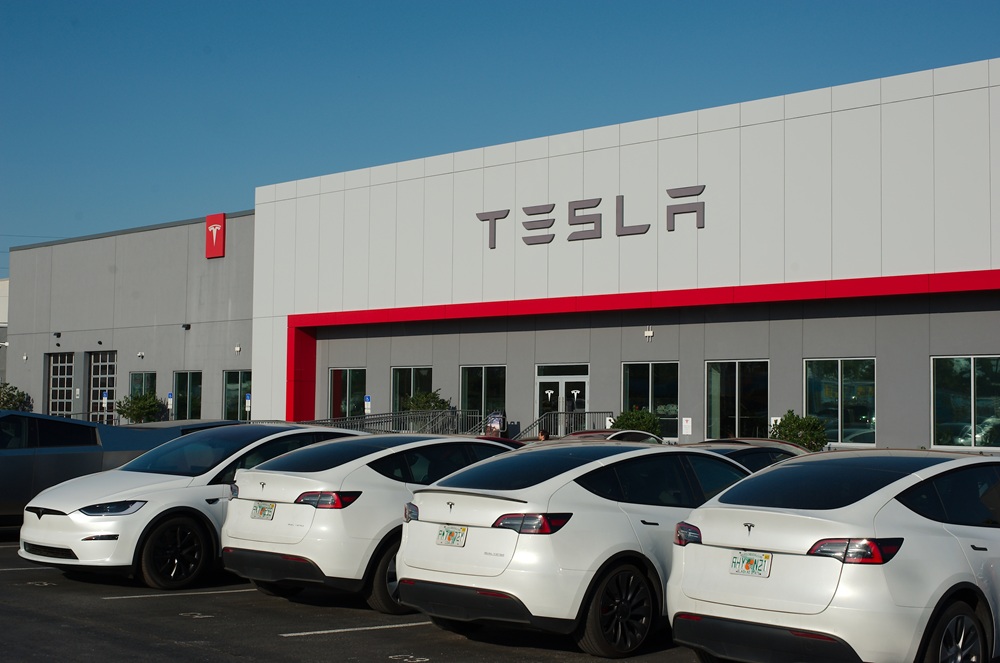
Ahead of releasing its second-quarter 2026 financial results, electric vehicle maker Tesla is showing a impressive recovery in its core operations. Following a prolonged sales slowdown, the company reported 480,126 deliveries—a figure roughly 25% higher year-over-year and up 34% sequentially from the previous quarter. This sales spike was primarily driven by the full production ramp of the refreshed Model Y, aggressive price cuts worldwide, rising global gasoline prices, and a fading public backlash surrounding CEO Elon Musk’s political endeavors.
Tesla’s international strength carried much of the momentum during the quarter: European new vehicle registrations nearly doubled (prompting plans to boost production capacity at Giga Berlin), while Chinese sales staged a robust rebound. Conversely, the US domestic market remained comparatively soft, largely due to the expiration of federal EV tax credits. In tandem, Tesla’s energy storage business recorded strong growth, deploying 13.5 GWh—a jump of more than 50% compared to the first quarter.
The Great Cash Burn: The Financial Toll of the AI Revolution
Despite the top-line recovery in sales (expected to stand around $26.21 billion), Wall Street and retail investors are laser-focused on bottom-line profitability and cash flow. Projections indicate that Tesla will report a negative free cash flow (FCF) of roughly -$3.3 billion for the quarter—marking its first quarterly cash burn in over two years (down from positive FCF of nearly $5.6 billion in the prior-year period).
The primary catalyst for this cash drain is a massive spike in capital expenditures (CapEx), expected to reach $6.7 billion for the quarter and around $25 billion for the full year. Tesla is funneling vast sums into building out data centers, expanding AI infrastructure, refining its Full Self-Driving (FSD) system, and ramping up manufacturing for the Cybercab and the Optimus humanoid robot. These elevated expenditures, combined with pressure on automotive gross margins (expected to dip to 18.1% excluding regulatory credits), test whether the core business can comfortably fund the company’s broader ambitions.
Beyond the Numbers: Elon Musk’s Execution Test
Market analysts point out that much of the good news regarding delivery volumes is already priced into the stock, which recently traded around $378.96. Consensus estimates from Zacks project an adjusted earnings per share (EPS) of $0.50 on adjusted EBITDA of roughly $4.00 billion.
However, the defining question hovering over the earnings call will be whether the delivery surge represents a sustainable inflection point or merely a temporary pull-forward of demand. Furthermore, investors will be seeking concrete evidence that heavy investments in AI and robotics are beginning to yield commercial returns—especially given that Robotaxi deployments remain geographically limited and certain growth milestones have experienced delays.
Summary
Tesla’s second-quarter 2026 earnings report places the company at a critical strategic crossroads. On one hand, the core business of EV manufacturing and energy storage shows a robust operational rebound backed by strong global delivery growth. On the other hand, Tesla’s pivot from a pure-play automaker to a physical AI and robotics power comes at a steep price, characterized by significant cash burn and record capital expenditures. Elon Musk’s ability to demonstrate that long-term bets like Robotaxi and Optimus can deliver tangible financial value in the foreseeable future will determine whether the stock’s recent momentum can be sustained.
Comparison, examination, and analysis between investment houses
Leave your details, and an expert from our team will get back to you as soon as possible
* This article, in whole or in part, does not contain any promise of investment returns, nor does it constitute professional advice to make investments in any particular field.
To read more about the full disclaimer, click here
- Ronny Mor
- •
- 6 Min Read
- •
- ago 9 hours
SKN | Why Is Blink Charging (BLNK) Stock Rising? EV Infrastructure Demand Brings Renewed Investor Focus
Blink Charging (NASDAQ: BLNK) stock has attracted renewed investor attention as markets evaluate the future growth potential of electric vehicle
- ago 9 hours
- •
- 6 Min Read
Blink Charging (NASDAQ: BLNK) stock has attracted renewed investor attention as markets evaluate the future growth potential of electric vehicle

- orshu
- •
- 6 Min Read
- •
- ago 19 hours
SKN | European Markets Close Higher as Broad-Based Rally Signals Renewed Investor Confidence
European equity markets closed higher on July 21, with investors returning to risk assets as optimism surrounding corporate earnings
- ago 19 hours
- •
- 6 Min Read

European equity markets closed higher on July 21, with investors returning to risk assets as optimism surrounding corporate earnings
- orshu
- •
- 7 Min Read
- •
- ago 22 hours
SKN | U.S. Markets Advance as Technology Stocks Lead While Small Caps Lag
U.S. equity markets traded mostly higher on July 21, as investors continued to favor technology shares ahead of another
- ago 22 hours
- •
- 7 Min Read

U.S. equity markets traded mostly higher on July 21, as investors continued to favor technology shares ahead of another
- orshu
- •
- 6 Min Read
- •
- ago 2 days
SKN | European Markets End Mixed as Defensive Stocks Offset Broad Weakness
European equities finished the trading session on Monday, July 20 with mixed results as investors balanced encouraging performances in
- ago 2 days
- •
- 6 Min Read

European equities finished the trading session on Monday, July 20 with mixed results as investors balanced encouraging performances in


