


- omer bar
- •
- 7 Min Read
- •
- 1 hour ago
Key Points
- A proposed increase in U.S. global tariff rates to 15% could significantly affect multinational companies reliant on global supply chains.
- Industries with heavy international manufacturing exposure—including technology, automotive, and consumer electronics—could face margin pressure.
- Investors are monitoring potential retaliation from trading partners, which could amplify volatility in global equity markets.
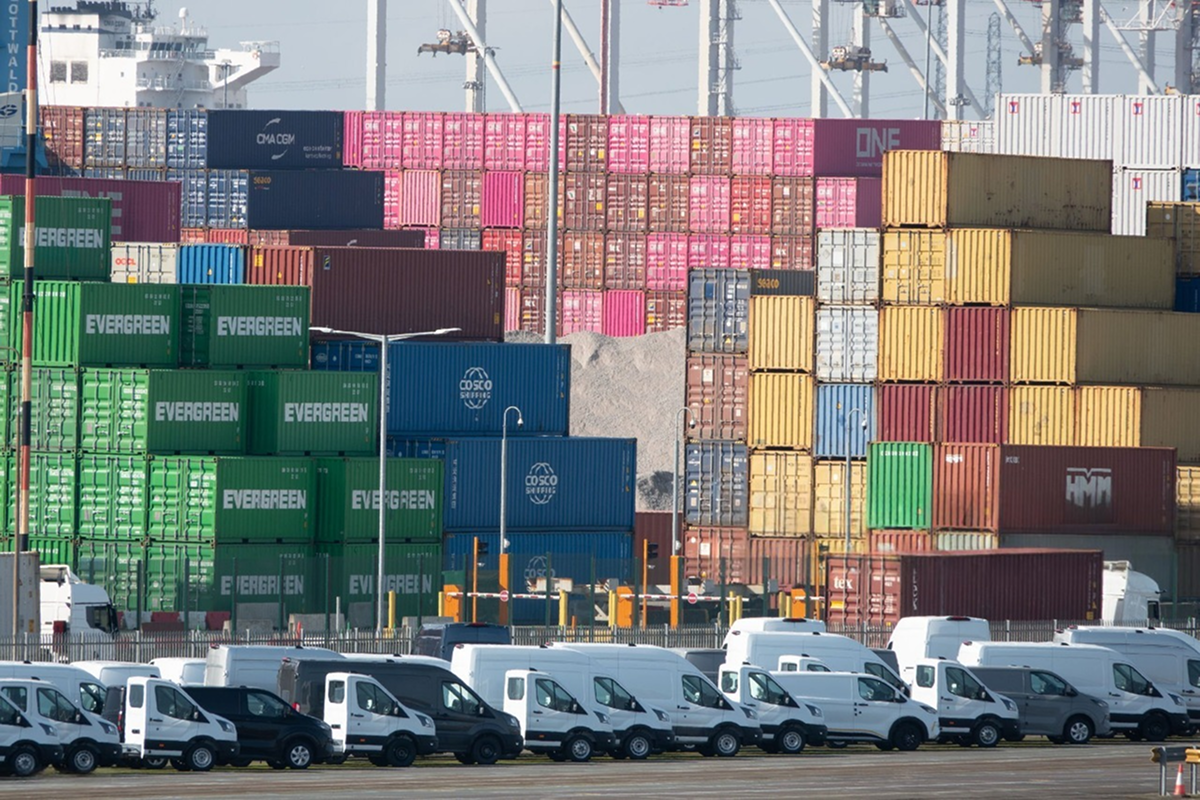
Global financial markets are closely watching the possibility of a significant shift in U.S. trade policy as discussions emerge about raising the average tariff rate on imported goods to 15%. Such a move would represent a major change in international trade dynamics and could have far-reaching implications for multinational corporations. For investors, the key question is how higher tariffs might affect supply chains, corporate earnings, and the broader outlook for global economic growth.
Global Supply Chains Could Face New Pressures
A higher tariff rate would directly affect companies that rely heavily on international manufacturing networks. Over the past several decades, multinational corporations have built highly integrated supply chains spanning Asia, Europe, and North America in order to optimize production costs and efficiency.
If tariffs rise to 15%, companies importing components or finished products into the United States could face significantly higher costs. Businesses may attempt to offset these expenses by raising prices, restructuring supply chains, or shifting production to alternative locations.
However, adjusting global manufacturing operations can be complex and time-consuming. As a result, some companies could experience near-term pressure on profit margins while they adapt to new trade conditions.
Technology and Automotive Companies Could Be Most Exposed
Certain sectors are particularly sensitive to changes in trade policy. The technology industry, for example, depends heavily on globally distributed manufacturing networks for semiconductors, electronics assembly, and component sourcing.
Companies that design products in one region but manufacture them in another could face higher import costs if tariffs increase. Consumer electronics producers and semiconductor-related firms are therefore among those closely monitoring potential policy changes.
The automotive sector is also highly exposed to global trade dynamics. Many car manufacturers rely on cross-border supply chains that move parts between multiple countries before final assembly. Tariffs applied to imported components or finished vehicles could alter cost structures across the industry.
Retail companies importing consumer goods from overseas manufacturers may face similar challenges, particularly if higher tariffs raise the cost of products sold in U.S. markets.
Potential Market and Geopolitical Reactions
Another factor investors are considering is the possibility of retaliatory trade measures from major U.S. trading partners. Historically, large tariff increases have sometimes triggered reciprocal actions by other countries, potentially affecting exports and global trade flows.
If multiple economies impose additional tariffs in response, companies with significant international sales exposure could experience shifts in demand across key markets. Export-oriented industries such as agriculture, industrial manufacturing, and technology hardware may be particularly sensitive to such developments.
Financial markets often react quickly to changes in trade policy because of their potential influence on corporate profitability and economic growth expectations. Tariffs can increase production costs while also affecting consumer prices, potentially contributing to broader inflationary pressures.
Looking ahead, investors will likely monitor how trade negotiations evolve and whether a 15% tariff framework gains political traction. Key issues to watch include potential exemptions for certain industries, adjustments to supply chain strategies by multinational corporations, and the reaction of global trading partners. As trade policy remains an important factor shaping international economic relations, developments in tariff discussions could continue influencing equity markets and corporate strategy in the years ahead.
Comparison, examination, and analysis between investment houses
Leave your details, and an expert from our team will get back to you as soon as possible
* This article, in whole or in part, does not contain any promise of investment returns, nor does it constitute professional advice to make investments in any particular field.
To read more about the full disclaimer, click here
- orshu
- •
- 7 Min Read
- •
- ago 2 minutes
SKN | U.S. Clarifies Iran War Oil Reserve Release Will Be Structured as an Exchange, Not a Sale
The United States has reaffirmed that any crude oil released from the Strategic Petroleum Reserve (SPR) in response to
- ago 2 minutes
- •
- 7 Min Read

The United States has reaffirmed that any crude oil released from the Strategic Petroleum Reserve (SPR) in response to

- Ronny Mor
- •
- 6 Min Read
- •
- ago 6 hours
SKN | Brent Crude Surges Past $98 Amid Mid-Week Volatility: What Drives the Recovery?
Global energy markets experienced a week of pronounced volatility as Brent Crude Oil (BZ=F) staged a dramatic recovery to
- ago 6 hours
- •
- 6 Min Read

Global energy markets experienced a week of pronounced volatility as Brent Crude Oil (BZ=F) staged a dramatic recovery to

- omer bar
- •
- 6 Min Read
- •
- ago 7 hours
SKN | Crude Oil Surges Past $98: What is Driving the Market Rally?
Global energy markets witnessed acute volatility this week as Crude Oil futures on the NY Mercantile Exchange staged a
- ago 7 hours
- •
- 6 Min Read

Global energy markets witnessed acute volatility this week as Crude Oil futures on the NY Mercantile Exchange staged a

- Lior mor
- •
- 6 Min Read
- •
- ago 8 hours
SKN | TA-35 Index Navigates Mid-Week Volatility: Is the Recent Rebound Sustainable?
The Tel Aviv 35 Index (TA-35) demonstrated notable resilience toward the close of the trading week, navigating through pronounced
- ago 8 hours
- •
- 6 Min Read

The Tel Aviv 35 Index (TA-35) demonstrated notable resilience toward the close of the trading week, navigating through pronounced

