


- Lior mor
- •
- 8 Min Read
- •
- 5 months ago
Key Points
- Trump announces major deal with Merck KGaA’s EMD Serono to slash fertility drug prices in exchange for tariff relief on pharmaceuticals.
- New employer guidance aims to expand IVF coverage, allowing optional fertility benefits similar to dental or vision plans.
- Questions remain over accessibility and participation, as insurance coverage gaps and political sensitivities persist.
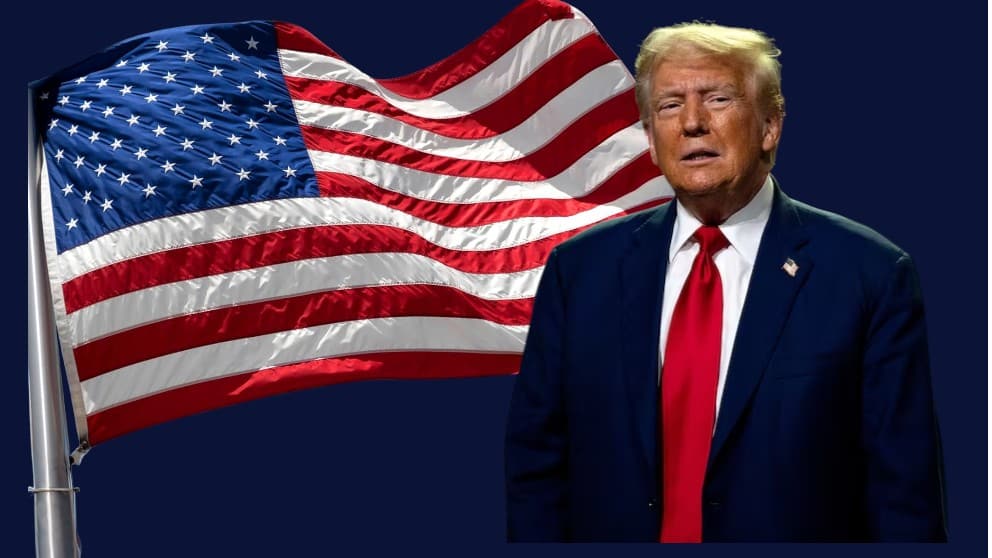
Trump’s Push to Make IVF More Affordable
President Donald Trump unveiled two new measures aimed at reducing the cost of in vitro fertilization (IVF) treatments and expanding access to fertility drugs—marking the administration’s first tangible step toward addressing the growing affordability crisis in reproductive healthcare. The announcement reflects an effort to fulfill Trump’s campaign promise to make IVF more accessible to middle-class families struggling with the procedure’s high costs, which can exceed $20,000 per cycle in the United States.
At the center of the plan is a deal with EMD Serono, the U.S. arm of Germany’s Merck KGaA, the world’s largest fertility drug producer. Under the agreement, EMD Serono will lower prices on its IVF medicines in exchange for relief from pending tariffs on imported pharmaceuticals. The arrangement covers key drugs such as Gonal-f, widely used for ovarian stimulation. Trump said the move would lead to “many more beautiful American children,” emphasizing the administration’s broader commitment to reducing prescription drug prices.
Employer-Based Coverage and Policy Implications
Alongside the pricing deal, the administration announced forthcoming guidance for employers that would enable them to offer fertility benefits as an optional add-on to existing health plans—similar to dental or vision insurance. The proposal aims to encourage, though not require, companies to participate by offering coverage at a fixed cost for both employers and patients.
While the initiative represents a notable policy shift, analysts caution that voluntary participation may limit its reach. Only about 25% of large U.S. employers currently provide IVF coverage, leaving millions without financial support for fertility treatments. Experts note that unless the plan introduces stronger incentives or mandates, its impact could be uneven, particularly across smaller companies or industries with high employee turnover.
The move aligns with Trump’s broader healthcare cost-reduction agenda, which in recent weeks has included deals with Pfizer and AstraZeneca aimed at cutting prescription costs through direct-to-consumer sales on the upcoming TrumpRx.gov platform, expected to launch in January 2026.
Economic and Political Context
The announcement comes amid renewed national attention to reproductive rights following the Alabama Supreme Court’s 2024 ruling that recognized frozen embryos as children—a decision that complicated access to IVF and reignited debate over reproductive autonomy. Trump quickly distanced himself from that ruling, urging lawmakers to protect IVF access, signaling an effort to appeal to moderate voters concerned about reproductive healthcare restrictions.
From an economic perspective, the plan reflects a strategic trade-off between tariff policy and domestic healthcare affordability. By granting tariff relief to Merck KGaA in exchange for lower drug prices, the administration is using international trade leverage to influence healthcare markets—a rare intersection of economic and social policy.
Public sentiment appears supportive: a Pew Research Center survey from April 2024 found that 70% of U.S. adults view IVF access positively, with limited partisan divides. This widespread backing may help Trump’s administration gain momentum on a politically delicate issue.
What Lies Ahead for America’s Fertility Market
If implemented effectively, Trump’s initiative could reshape the U.S. fertility landscape by lowering costs and prompting greater employer participation. However, much will depend on the pricing transparency of the Merck deal, the adoption rate of employer-based benefits, and whether additional regulations follow to ensure equitable access.
As IVF becomes increasingly central to demographic and family-planning discussions, policymakers will need to balance affordability, ethical considerations, and political sensitivities. For now, Trump’s proposal signals a significant—if preliminary—step toward modernizing reproductive healthcare in one of the world’s most expensive fertility markets.
Comparison, examination, and analysis between investment houses
Leave your details, and an expert from our team will get back to you as soon as possible
* This article, in whole or in part, does not contain any promise of investment returns, nor does it constitute professional advice to make investments in any particular field.
To read more about the full disclaimer, click here
- Ronny Mor
- •
- 7 Min Read
- •
- ago 1 day
SKN | U.S. Dollar Still a Global Safe Haven, Australian Central Banker Says Amid Market Uncertainty
The U.S. dollar continues to maintain its position as the world’s leading safe-haven currency, according to remarks from an
- ago 1 day
- •
- 7 Min Read

The U.S. dollar continues to maintain its position as the world’s leading safe-haven currency, according to remarks from an

- sagi habasov
- •
- 8 Min Read
- •
- ago 2 days
SKN | Will U.S. Jobs Data Redefine the Federal Reserve’s Rate Path as Oil Prices Stir Inflation Fears?
Global bond markets are entering a critical phase as traders analyze U.S. labor market data to better understand the Federal
- ago 2 days
- •
- 8 Min Read

Global bond markets are entering a critical phase as traders analyze U.S. labor market data to better understand the Federal
- sagi habasov
- •
- 6 Min Read
- •
- ago 5 days
SKN | Currency Markets Signal a Supply-Side Inflation Shock: Are FX Traders Ahead of Central Banks?
Global currency markets are increasingly pricing in the risk of a supply-driven inflation resurgence. Moves across the U.S. dollar,
- ago 5 days
- •
- 6 Min Read

Global currency markets are increasingly pricing in the risk of a supply-driven inflation resurgence. Moves across the U.S. dollar,

- Lior mor
- •
- 6 Min Read
- •
- ago 5 days
SKN | Can Europe’s Economy Withstand the Iran War if It Ends Within a Month?
The trajectory of Europe’s economic recovery may hinge on a single variable: duration. If the current Iran conflict subsides within
- ago 5 days
- •
- 6 Min Read

The trajectory of Europe’s economic recovery may hinge on a single variable: duration. If the current Iran conflict subsides within

