





- Lior mor
- •
- 7 Min Read
- •
- 10 months ago
Key Points
- Brazil’s inflation rate rose slightly to 5.17% in September, driven by higher housing and service costs.
- Cooling in food and transport prices helped keep inflation below market expectations of 5.22%.
- Economists anticipate gradual moderation ahead, but fiscal and commodity pressures remain key risks.

Brazil’s inflation picked up modestly in September, underscoring the central bank’s ongoing challenge to balance economic recovery with price stability. The annual inflation rate rose to 5.17%, up from 5.13% in August but slightly below forecasts of 5.22%, signaling that while inflation remains elevated, it may be stabilizing within the upper bounds of the central bank’s target range.
This mild uptick reflects persistent cost pressures in housing and services, even as food and transportation prices cooled. With the Brazilian real stabilizing and global commodity volatility easing, markets are watching closely to see whether policymakers can maintain inflation’s downward trajectory heading into 2026.
Rising Housing and Service Costs Keep Pressure on Consumers
Housing costs were a major driver of inflation in September, climbing 6.24% year-on-year, up sharply from 5.03% in August. Rising rents and utilities—particularly electricity and water—added to household expenses, highlighting the ongoing strain on middle-income families. Similarly, the personal expenses category surged 7.10%, marking one of the fastest gains in the consumer basket, while education and clothing also posted steady increases.
These price pressures suggest that service inflation, a key indicator of domestic demand strength, remains sticky. Economists note that strong wage growth and resilient employment in Brazil’s urban centers are sustaining demand for discretionary services, limiting the pace of overall disinflation. São Paulo, the country’s largest metropolitan area, recorded the highest inflation among major cities at 5.83%, reflecting higher costs of living and stronger consumer spending.
Cooling Food and Transport Prices Offer Relief
On the other hand, slower price growth in food, beverages, and transportation offered partial relief. Food inflation eased to 6.61% from 7.42%, helped by improved agricultural output and stable supply chains following a volatile first half of the year. Transport inflation also moderated to 3.18%, as oil prices steadied and public transit costs normalized.
The combined slowdown in these categories helped offset broader inflationary pressures, keeping headline inflation from rising further. Analysts suggest that the central bank’s earlier tightening cycle—marked by one of the most aggressive rate hikes in emerging markets—continues to anchor expectations, although core inflation remains above comfort levels.
Economic Outlook: Gradual Cooling Ahead, but Risks Persist
Brazil’s inflation path appears to be moderating, but the trajectory remains uncertain. According to Trading Economics forecasts, inflation is expected to decline to 4.9% by year-end, trending toward 3.6% in 2026 and 3.0% by 2027, assuming fiscal discipline and continued monetary prudence.
However, several risks cloud the outlook. Potential fiscal slippage ahead of local elections, global commodity price volatility, and supply-side shocks could reignite price pressures. Additionally, investor sentiment toward emerging markets remains sensitive to shifts in U.S. interest rate policy, which could affect the Brazilian real and imported inflation.
For now, the Banco Central do Brasil faces a delicate balancing act: sustaining growth while maintaining credibility on inflation. The September data suggest that progress is being made, but the next few quarters will be critical in determining whether Brazil can firmly anchor inflation expectations and steer toward long-term price stability.
Comparison, examination, and analysis between investment houses
Leave your details, and an expert from our team will get back to you as soon as possible
* This article, in whole or in part, does not contain any promise of investment returns, nor does it constitute professional advice to make investments in any particular field.
To read more about the full disclaimer, click here
- Arik Arkadi Sluzki
- •
- 6 Min Read
- •
- ago 4 hours
SKN | Dollar Weakens Against Yen as Intervention Risks Reshape Currency Market Expectations
The U.S. dollar weakened against the Japanese yen on July 31 as concerns over potential currency intervention by Japanese
- ago 4 hours
- •
- 6 Min Read
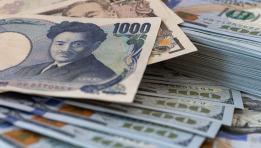
The U.S. dollar weakened against the Japanese yen on July 31 as concerns over potential currency intervention by Japanese

- omer bar
- •
- 6 Min Read
- •
- ago 2 days
SKN | Is the Bank of Japan Preparing for a More Aggressive Fight Against Inflation?
Japan's long-standing era of ultra-loose monetary policy is facing renewed scrutiny after a prominent inflation expert suggested the Bank of
- ago 2 days
- •
- 6 Min Read

Japan's long-standing era of ultra-loose monetary policy is facing renewed scrutiny after a prominent inflation expert suggested the Bank of

- sagi habasov
- •
- 6 Min Read
- •
- ago 2 days
SKN | Middle East Escalation Drives Oil Prices Up: How Will the Fed Respond?
The Middle East is experiencing a sharp military escalation, triggering significant volatility across global energy markets. A ballistic missile
- ago 2 days
- •
- 6 Min Read

The Middle East is experiencing a sharp military escalation, triggering significant volatility across global energy markets. A ballistic missile

- Ronny Mor
- •
- 7 Min Read
- •
- ago 4 days
SKN | Oil Prices are Climbing, But Interest Rates Will Likely Pause: What Does This Mean for Your Money?
Why Would Oil Prices Rise, But Not Interest Rates? The U.S. central bank is in an interesting spot right now.
- ago 4 days
- •
- 7 Min Read

Why Would Oil Prices Rise, But Not Interest Rates? The U.S. central bank is in an interesting spot right now.


