


- Lior mor
- •
- 7 Min Read
- •
- 5 months ago
Key Points
- The Brazilian real, South African rand, and Mexican peso led gains in emerging-market currencies after U.S. trade tensions eased.
- Optimism over potential U.S.–China negotiations lifted risk sentiment and commodity prices.
- Despite short-term rebounds, fiscal risks and political uncertainties continue to weigh on emerging-market outlooks.
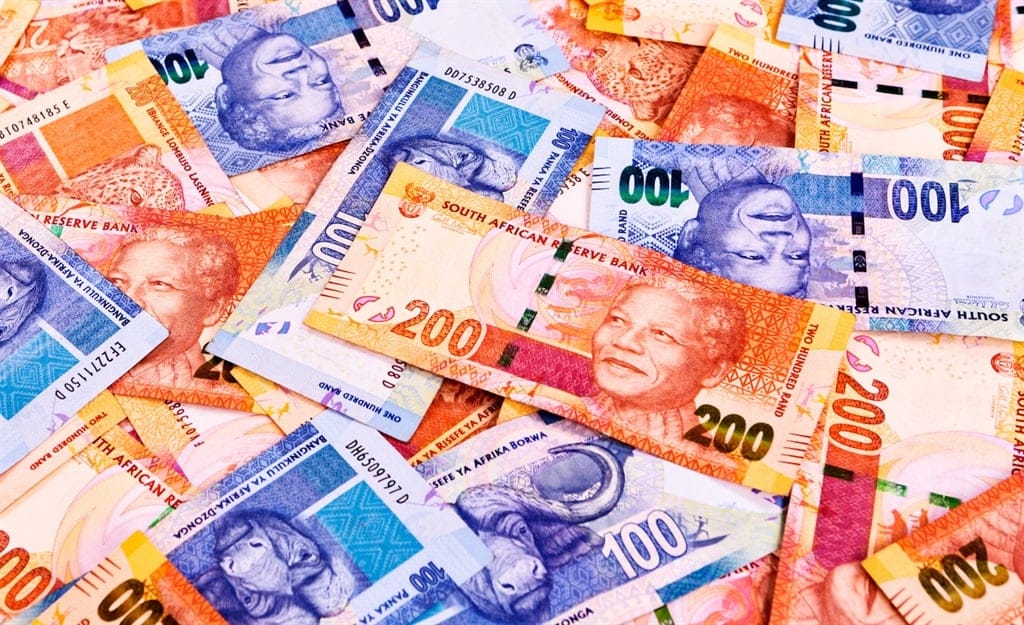
Emerging-market currencies staged a strong rebound on Monday as investors welcomed signs that the Trump administration may soften its stance on trade negotiations with China. The rally, led by Latin America’s largest economies, came amid thin trading conditions due to a U.S. bond market holiday. With global risk sentiment improving and commodity prices climbing, the Brazilian real and South African rand advanced roughly 1% each, signaling a return of investor appetite for higher-yielding assets after last week’s selloff.
Risk Appetite Returns Amid Softer Trade Tone
Market sentiment shifted sharply after President Donald Trump and Vice President JD Vance indicated a willingness to reopen trade discussions with China. Treasury Secretary Scott Bessent reinforced expectations of a meeting between the two nations’ leaders at the upcoming APEC summit in South Korea. The diplomatic overture helped stabilize markets rattled by escalating tariff rhetoric last week.
Barclays analyst Erick Martinez Magana described Monday’s move as a “pullback of everything that sold off on Friday: high carry FX, commodities, equities.” The renewed optimism favored carry trades—strategies that borrow in low-interest currencies to invest in higher-yielding assets—benefiting emerging-market currencies tied to commodity exports.
Still, broader emerging-market sentiment remained uneven. The composite index tracking these currencies edged lower, pressured by weakness in Asia, where equity markets fell to a one-week low despite the rebound in regional currencies.
Latin America Leads the Rally
Latin American currencies were the day’s clear winners. The Brazilian real and South African rand surged on the back of stronger commodity prices, particularly in metals and energy. The Chilean peso and Peruvian sol also gained as copper prices jumped, buoyed by data showing China’s imports of the red metal and iron ore reached their highest levels of 2025.
Argentina’s peso delivered the most dramatic move, rising more than 5% to 1,350 per dollar as local markets reopened after a $20 billion U.S. intervention the previous week. The intervention, aimed at stabilizing the peso, temporarily restored investor confidence and reduced speculative pressure on the currency.
Yet underlying risks remain. Brazil’s fiscal trajectory is increasingly uncertain as the government expands social programs ahead of the 2026 elections without clear guidance on how the spending aligns with fiscal targets. That uncertainty has kept traders cautious, even as the real recoups about half of its prior losses.
Asia and Europe Face Diverging Pressures
In Asia, currencies more directly tied to China’s trade outlook—such as the South Korean won, Taiwanese dollar, and Malaysian ringgit—showed only modest gains. MUFG strategist Lloyd Chan warned that these currencies could “come under some pressure” if trade optimism fades or China’s growth momentum weakens.
In Eastern Europe, the tone was less optimistic. Regional currencies were weighed down by a weakening euro, which faced dual headwinds: a firmer U.S. dollar and France’s ongoing political turmoil. The Israeli shekel, meanwhile, gave back part of its recent advance as optimism surrounding a potential peace deal with Hamas moderated.
Outlook: Fragile Optimism Ahead of Key Trade Talks
While Monday’s rally reflects renewed confidence in emerging markets, the sustainability of these gains will depend on geopolitical stability and global risk sentiment. Investors will be watching closely for progress at the APEC summit, where any breakthrough—or setback—in U.S.–China relations could set the tone for currency markets through year-end.
With inflation risks persisting, fiscal vulnerabilities unresolved, and political tensions simmering across several regions, the current rebound remains more tactical than structural. For now, emerging-market currencies appear to be enjoying a reprieve—but not yet a recovery.
Comparison, examination, and analysis between investment houses
Leave your details, and an expert from our team will get back to you as soon as possible
* This article, in whole or in part, does not contain any promise of investment returns, nor does it constitute professional advice to make investments in any particular field.
To read more about the full disclaimer, click here
- omer bar
- •
- 6 Min Read
- •
- ago 2 days
SKN | Dollar Rebounds Above 97.8: Is Tariff Turbulence Reviving Safe-Haven Demand?
The U.S. dollar regained ground Tuesday, with the Dollar Index climbing above 97.8 after weakness in the prior session, as
- ago 2 days
- •
- 6 Min Read

The U.S. dollar regained ground Tuesday, with the Dollar Index climbing above 97.8 after weakness in the prior session, as
- omer bar
- •
- 7 Min Read
- •
- ago 4 days
SKN | Are Treasury Bears Regaining Control as Deficit Risks and Fed Signals Shift Bond Momentum?
Momentum in the $31 trillion US Treasury market is tilting back toward bond bears as a combination of fiscal uncertainty,
- ago 4 days
- •
- 7 Min Read
Momentum in the $31 trillion US Treasury market is tilting back toward bond bears as a combination of fiscal uncertainty,

- sagi habasov
- •
- 7 Min Read
- •
- ago 1 week
SKN | Treasury Yields Edge Higher Ahead of Fed Minutes: Will Policymakers Signal a Shift?
U.S. Treasury yields ticked higher as investors positioned cautiously ahead of the Federal Reserve’s January meeting minutes, due for release
- ago 1 week
- •
- 7 Min Read
U.S. Treasury yields ticked higher as investors positioned cautiously ahead of the Federal Reserve’s January meeting minutes, due for release
- sagi habasov
- •
- 6 Min Read
- •
- ago 1 week
SKN | Stocks and Bonds Drift in Holiday-Thinned Trade: What the Muted Volatility Signals for Global Investors
Stocks and bonds moved within narrow but uneven ranges as holiday-thinned trading reduced liquidity across major financial centers. With
- ago 1 week
- •
- 6 Min Read

Stocks and bonds moved within narrow but uneven ranges as holiday-thinned trading reduced liquidity across major financial centers. With

