


- omer bar
- •
- 6 Min Read
- •
- 2 hours ago
Key Points
- The New York Fed services index remains deeply negative at -22.6, signaling continued contraction.
- Business climate conditions worsened further, while pricing pressures showed slight easing.
- Forward-looking expectations declined, raising concerns about near-term economic momentum.
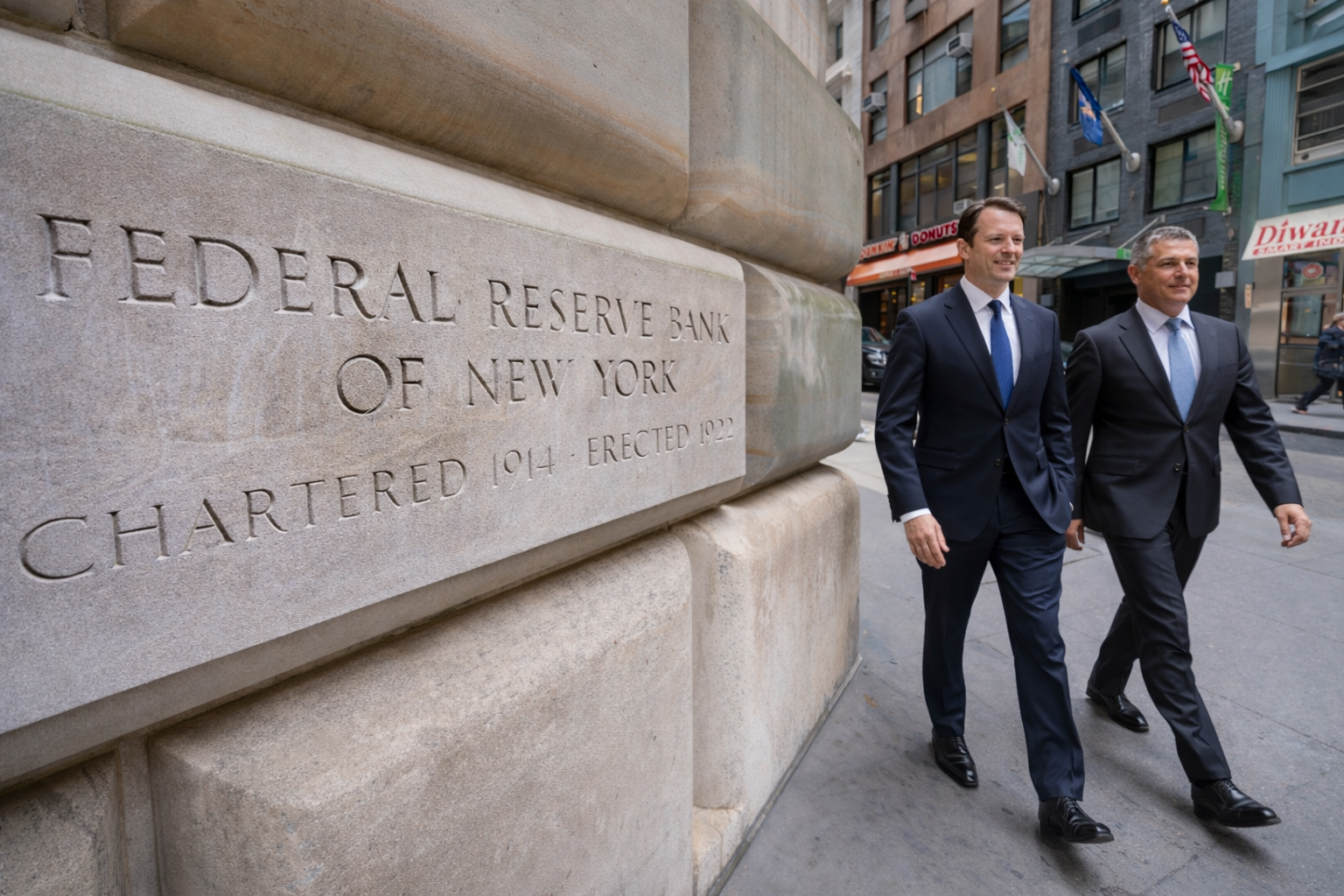
The latest data from the Federal Reserve Bank of New York shows that service sector activity remains under significant pressure, even as the pace of decline moderated slightly in March.
The general business activity index rose to -22.6 from -25.7 in February, marking a modest improvement but still reflecting one of the weakest readings since the post-pandemic recovery began.
Activity Remains Deeply in Contraction Territory
Despite the uptick, the index remains firmly in negative territory, indicating that economic activity across New York, northern New Jersey, and southern Connecticut continues to contract.
The current level is far below the long-term average of 1.83, highlighting the extent of the slowdown compared to typical conditions.
This suggests that while conditions may be stabilizing marginally, the broader service sector is still facing significant headwinds.
Business Climate Deteriorates Further
The business climate index declined by 4.5 points to -46.2, underscoring worsening sentiment among firms.
This sharp drop signals that companies are becoming increasingly cautious about operating conditions, even as some short-term indicators show slight improvement.
Such a divergence between activity and sentiment often points to underlying structural concerns in the economy.
Pricing Pressures Ease Slightly
The prices charged index fell by 1.1 points to 28.8, indicating a modest cooling in pricing power.
While still elevated, the decline suggests that businesses may be facing resistance from consumers or adjusting pricing strategies in response to softer demand.
This could offer some relief for inflation, though the level remains consistent with ongoing cost pressures.
Labor Market Shows Limited Improvement
The employment index edged higher by 1.2 points to -8.5, pointing to a slight easing in labor market weakness.
However, the reading remains negative, indicating that hiring conditions are still contracting overall.
The modest improvement may reflect stabilization rather than a meaningful recovery in employment trends.
Outlook Weakens as Expectations Decline
Forward-looking indicators showed further deterioration, with the business activity expectations index falling by 4.8 points to 12.7.
This decline suggests that firms are becoming less optimistic about future conditions, raising concerns about sustained economic momentum in the coming months.
A weakening outlook, combined with already weak current conditions, increases the risk of prolonged softness in the service sector.
What This Means for the Broader Economy
The latest NY Fed data reinforces the narrative of a slowing U.S. economy, particularly in the services sector, which has been a key driver of growth in recent years.
While inflation pressures may be easing slightly, weakening demand and deteriorating sentiment could weigh on business investment and hiring.
Markets and policymakers will closely monitor whether this trend deepens or stabilizes, especially as broader macroeconomic risks — including energy price volatility and global uncertainty — continue to evolve.
Comparison, examination, and analysis between investment houses
Leave your details, and an expert from our team will get back to you as soon as possible
* This article, in whole or in part, does not contain any promise of investment returns, nor does it constitute professional advice to make investments in any particular field.
To read more about the full disclaimer, click here
- orshu
- •
- 7 Min Read
- •
- ago 4 days
SKN | U.S. Stocks Extend Weekly Losses as $100 Oil Rekindles Global Inflation Concerns
U.S. equity markets closed the week under pressure as the Dow Jones Industrial Average, S&P 500, and Nasdaq Composite
- ago 4 days
- •
- 7 Min Read

U.S. equity markets closed the week under pressure as the Dow Jones Industrial Average, S&P 500, and Nasdaq Composite

- sagi habasov
- •
- 6 Min Read
- •
- ago 4 days
SKN | Why Vietnam Has Become the Largest Trade Surplus Holder With the United States
Vietnam has emerged as the country with the largest trade surplus with the United States, surpassing both Mexico and China
- ago 4 days
- •
- 6 Min Read

Vietnam has emerged as the country with the largest trade surplus with the United States, surpassing both Mexico and China

- omer bar
- •
- 8 Min Read
- •
- ago 5 days
SKN | Singapore Challenges U.S. Trade Surplus Figures as New Tariff Risks Emerge
Singapore has pushed back against U.S. trade data that suggests the country maintains a substantial trade surplus with the United
- ago 5 days
- •
- 8 Min Read

Singapore has pushed back against U.S. trade data that suggests the country maintains a substantial trade surplus with the United
- orshu
- •
- 7 Min Read
- •
- ago 5 days
SKN | European Stocks Fall as Oil Price Surge Fuels Inflation Concerns and Renewed Rate-Hike Expectations
European equity markets ended the session lower as a surge in global oil prices triggered renewed concerns about inflation
- ago 5 days
- •
- 7 Min Read

European equity markets ended the session lower as a surge in global oil prices triggered renewed concerns about inflation

