


- Lior mor
- •
- 8 Min Read
- •
- 1 hour ago
Key Points
- Israel’s strikes on Tehran and Lebanon, followed by Iran’s retaliation across Gulf states, have escalated the conflict into a broader regional crisis impacting global markets.
- Oil prices have surged above $100 per barrel as investors price in heightened geopolitical risk and potential disruptions to global energy supply.
- Threats to critical infrastructure and the Strait of Hormuz are raising fears of prolonged supply shocks, fueling inflation concerns and market volatility worldwide.
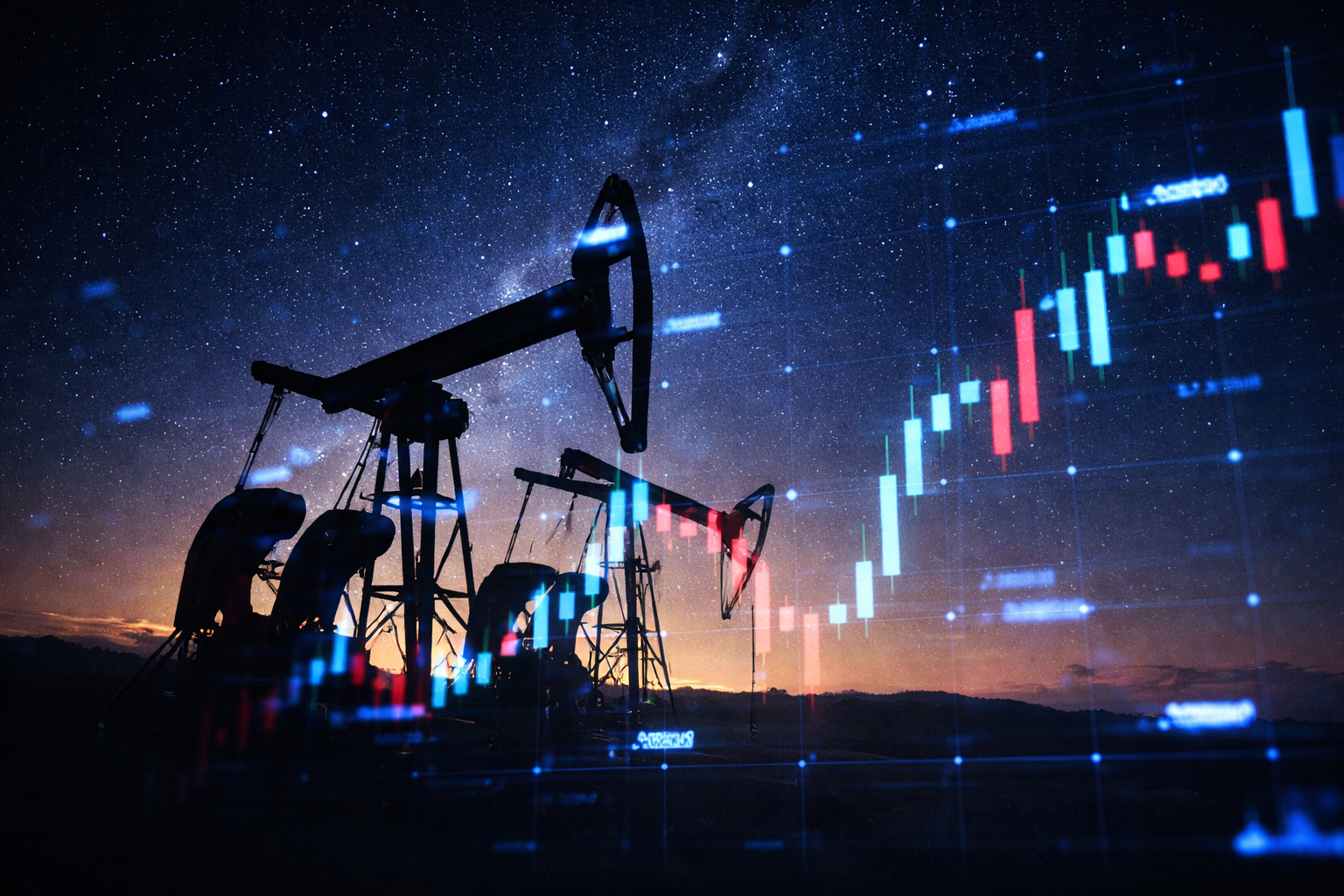
Global markets are shifting rapidly as the escalating Middle East conflict pushes oil prices above $100 per barrel and raises fresh concerns over energy supply disruptions. Israel’s strikes on Tehran and Lebanon, followed by Iran’s retaliation across the Gulf, have intensified fears of a broader regional war with direct consequences for global oil markets.
Investors are responding quickly. The surge in crude prices reflects not only immediate supply risks but also growing expectations that the conflict could persist, keeping energy markets under sustained pressure and increasing volatility across financial markets.
Oil Prices Surge as War Expands Across Key Regions
The widening confrontation between Israel and Iran is forcing a sharp repricing in global energy markets. Direct strikes on Tehran and increased military activity in Lebanon signal a conflict that is expanding across multiple fronts. For oil traders, this creates a clear risk scenario.
A broader conflict increases the likelihood of supply disruptions and raises the possibility of further escalation. As a result, markets are adding a stronger geopolitical risk premium to crude oil prices, driving the latest surge.
This move above $100 is not just symbolic — it reflects a deeper concern that supply instability could continue.
Energy Infrastructure and Shipping Routes Under Threat
Iran’s response has placed energy infrastructure and global shipping routes at the center of the crisis. Reports of attacks across Gulf states, including the United Arab Emirates, Saudi Arabia, and Qatar, highlight the vulnerability of key oil-producing regions. These developments are critical for global markets.
By targeting tankers, pipelines, and export facilities, the conflict is directly threatening the flow of oil. Even limited disruptions can have a significant impact on prices, as markets react quickly to any risk affecting supply continuity. This dynamic is amplifying volatility across energy markets.
Strait of Hormuz Disruption Raises Supply Concerns
The Strait of Hormuz remains a focal point for investors. Approximately 20% of global oil supply passes through this narrow waterway, making it one of the most important energy chokepoints in the world.
Recent reports of attacks on vessels and restricted access have heightened concerns about potential disruptions. Any sustained impact on this route could significantly reduce global supply and push oil prices even higher.
The current rally reflects growing fears that the situation could worsen and lead to a prolonged supply shock.
Rising Oil Prices Add Pressure to Global Economy
The rise in oil prices is feeding into broader economic concerns. Higher energy costs are contributing to inflation, increasing expenses for businesses, and reducing consumer purchasing power. Equity markets are facing renewed volatility, while currencies in oil-importing countries are under pressure.
The surge in oil prices is also raising concerns about a renewed inflation cycle. Higher energy costs tend to feed directly into transportation, manufacturing, and consumer goods, creating a ripple effect across the global economy. For central banks, this complicates policy decisions, as efforts to control inflation may conflict with the need to support slowing growth.
At the same time, businesses are facing rising input costs, which could impact earnings and reduce investment activity. This adds another layer of pressure on financial markets already dealing with geopolitical uncertainty and tightening financial conditions.
Outlook: Markets Brace for Continued Volatility
Market participants are increasingly preparing for a scenario where oil prices remain elevated.
If the Middle East conflict continues without de-escalation, the geopolitical risk premium is likely to persist. Limited spare capacity in global oil production further increases the risk that any disruption could have a lasting impact on prices.
As a result, volatility is expected to remain high across energy and financial markets, with investors closely monitoring developments in the region.
The Bottom Line
The escalation in the Middle East is now a key driver of oil prices and global market sentiment. Oil prices are rising as supply risks increase.
Markets remain volatile as uncertainty continues. Until tensions ease or supply routes stabilize, crude oil is likely to stay elevated, with ongoing implications for inflation and economic growth worldwide.
Comparison, examination, and analysis between investment houses
Leave your details, and an expert from our team will get back to you as soon as possible
* This article, in whole or in part, does not contain any promise of investment returns, nor does it constitute professional advice to make investments in any particular field.
To read more about the full disclaimer, click here
- sagi habasov
- •
- 6 Min Read
- •
- ago 12 hours
SKN | Trump’s Call for Chinese Warships Stirs Tensions Between Washington and Beijing
Former President Donald Trump’s recent remarks advocating for the deployment of Chinese warships have intensified scrutiny of U.S.-China relations. The
- ago 12 hours
- •
- 6 Min Read
Former President Donald Trump’s recent remarks advocating for the deployment of Chinese warships have intensified scrutiny of U.S.-China relations. The

- omer bar
- •
- 8 Min Read
- •
- ago 1 day
SKN | U.S.–China Paris Talks Signal Possible Trade Breakthrough Ahead of Xi–Trump Summit
Senior U.S. and Chinese officials are nearing the conclusion of economic talks in Paris that could lay the groundwork for
- ago 1 day
- •
- 8 Min Read
Senior U.S. and Chinese officials are nearing the conclusion of economic talks in Paris that could lay the groundwork for
- omer bar
- •
- 9 Min Read
- •
- ago 2 days
SKN | Trump’s Unclear Strategy on Iran Leaves Allies and Markets Searching for Signals
Uncertainty surrounding former U.S. President Donald Trump’s long-term approach to Iran is drawing increasing attention from policymakers, investors, and global
- ago 2 days
- •
- 9 Min Read

Uncertainty surrounding former U.S. President Donald Trump’s long-term approach to Iran is drawing increasing attention from policymakers, investors, and global
- omer bar
- •
- 7 Min Read
- •
- ago 2 days
SKN | A 15% Global Tariff Proposal Could Reshape Trade — Which Stocks May Face the Greatest Pressure?
Global financial markets are closely watching the possibility of a significant shift in U.S. trade policy as discussions emerge
- ago 2 days
- •
- 7 Min Read
Global financial markets are closely watching the possibility of a significant shift in U.S. trade policy as discussions emerge

