


- Lior mor
- •
- 7 Min Read
- •
- 2 hours ago
Key Points
- Alibaba launched the Alibaba Token Hub to unify AI operations and drive monetization.
- CEO Eddie Wu will directly oversee the new division integrating Qwen, DingTalk, and AI products.
- The move highlights a strategic shift toward enterprise AI revenue amid rising competition from ByteDance and others.
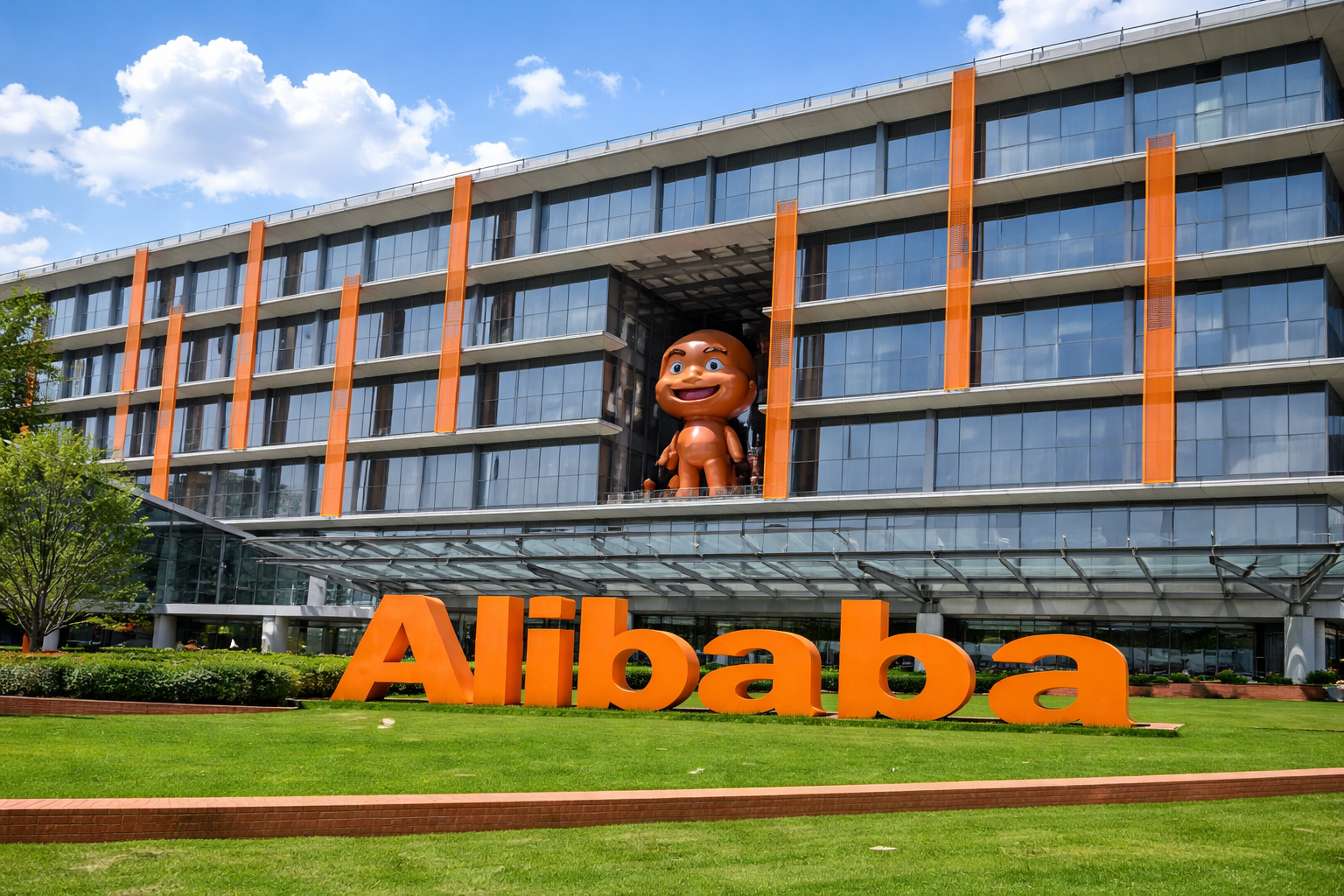
Alibaba is undertaking a major internal restructuring to sharpen its focus on artificial intelligence profits, consolidating its sprawling AI initiatives under a new business unit called Alibaba Token Hub (ATH).
The overhaul signals a decisive shift toward monetizing AI capabilities as competition intensifies across China’s fast-moving technology sector.
New AI Unit Centralizes Strategy
The newly formed Alibaba Token Hub will bring together key AI assets, including the team behind the company’s flagship Qwen models, its consumer-facing applications, and enterprise AI products.
The division will also oversee widely used platforms such as DingTalk and emerging hardware initiatives under the Quark brand, including smart devices.
By consolidating these operations, Alibaba aims to improve coordination between research, product development, and commercialization efforts.
Leadership Signals Strategic Priority
Chief Executive Officer Eddie Wu will lead the new unit directly, underscoring the importance of AI to Alibaba’s long-term growth strategy.
Wu described the mission of ATH as focused on creating, delivering, and applying “tokens” — a reference to the computing units that underpin AI services and revenue models.
The centralized structure is expected to accelerate decision-making and allow the company to move faster in deploying AI products across its ecosystem.
Push Toward Enterprise AI Revenue
Alibaba’s restructuring reflects a renewed emphasis on enterprise AI solutions, where monetization opportunities are seen as more viable than in consumer markets.
The company has historically focused on cloud computing and enterprise services, and the new structure suggests a pivot back toward those strengths after mixed results in consumer-facing AI applications.
Its newly launched Wukong platform — an agentic AI tool built on Qwen — is designed to automate complex business workflows and integrate with enterprise systems.
Competitive Pressure in China’s AI Market
Alibaba faces intensifying competition from domestic rivals such as ByteDance and Tencent, which are rapidly expanding their own AI ecosystems.
Consumer adoption dynamics in China present additional challenges, as users are generally less willing to pay for software subscriptions compared to Western markets.
This has led many Chinese AI models to adopt open-source or free distribution strategies, making it harder to generate direct revenue compared to companies like OpenAI and Anthropic.
Integration Across Alibaba Ecosystem
A key advantage for Alibaba lies in its extensive ecosystem, which spans e-commerce, fintech, and enterprise services.
The company plans to integrate AI capabilities across platforms such as Taobao and Alipay, embedding intelligent automation into everyday business and consumer interactions.
This ecosystem approach could provide a structural edge by enabling large-scale deployment and monetization of AI services across multiple verticals.
Execution Challenges and Market Reaction
The restructuring comes at a time of internal transition, following the departure of a key AI research leader, raising questions about continuity and execution.
Despite these concerns, Alibaba’s shares rose following the announcement, suggesting investor optimism about the company’s renewed focus on AI profitability.
However, the success of the strategy will depend on Alibaba’s ability to translate technological capabilities into sustainable revenue streams.
What Comes Next for Alibaba’s AI Ambitions
Alibaba’s AI revamp marks a critical phase in its evolution from a technology innovator to a company focused on scaling and monetizing its AI investments.
The key test will be whether tighter integration and leadership oversight can accelerate product development while delivering measurable financial returns.
As competition intensifies and enterprise demand grows, Alibaba’s ability to execute on this strategy could determine its position in the next wave of global AI leadership.
Comparison, examination, and analysis between investment houses
Leave your details, and an expert from our team will get back to you as soon as possible
* This article, in whole or in part, does not contain any promise of investment returns, nor does it constitute professional advice to make investments in any particular field.
To read more about the full disclaimer, click here
- omer bar
- •
- 6 Min Read
- •
- ago 1 minute
SKN | Trustpilot Profit Surges as AI Search Boom Turns Review Data Into Goldmine
Trustpilot delivered a sharp rise in profitability, with annual operating profit jumping to $16 million — up more than four
- ago 1 minute
- •
- 6 Min Read

Trustpilot delivered a sharp rise in profitability, with annual operating profit jumping to $16 million — up more than four

- Lior mor
- •
- 7 Min Read
- •
- ago 5 hours
SKN | Alibaba Expands AI Push With Enterprise Platform as Agent Craze Sweeps China
Chinese tech giant Alibaba has launched a new artificial intelligence platform for enterprises, stepping up its push into the rapidly
- ago 5 hours
- •
- 7 Min Read
Chinese tech giant Alibaba has launched a new artificial intelligence platform for enterprises, stepping up its push into the rapidly
- Lior mor
- •
- 6 Min Read
- •
- ago 8 hours
SKN | Nvidia Unveils Groq 3 AI Chip and CPU Server Targeting Intel at GTC 2026
Nvidia announced its latest technological push at GTC 2026 with the launch of the Groq 3 AI chip and an
- ago 8 hours
- •
- 6 Min Read
Nvidia announced its latest technological push at GTC 2026 with the launch of the Groq 3 AI chip and an
- Lior mor
- •
- 8 Min Read
- •
- ago 11 hours
SKN | Volkswagen Bets on Chinese Chips for Next-Gen EVs, Moves Away From Nvidia in China
German automaker Volkswagen is accelerating its electric vehicle strategy in China by leaning on domestic semiconductor and technology partners rather
- ago 11 hours
- •
- 8 Min Read

German automaker Volkswagen is accelerating its electric vehicle strategy in China by leaning on domestic semiconductor and technology partners rather

