


- sagi habasov
- •
- 6 Min Read
- •
- 11 hours ago
Key Points
- Former President Donald Trump urges deployment of Chinese warships, triggering sensitive geopolitical reactions from Beijing.
- Analysts highlight the potential impact on U.S.-China relations, regional security, and investor sentiment across Asian markets.
- Global markets may react to heightened risk perception, with trade, technology, and energy sectors closely monitored.
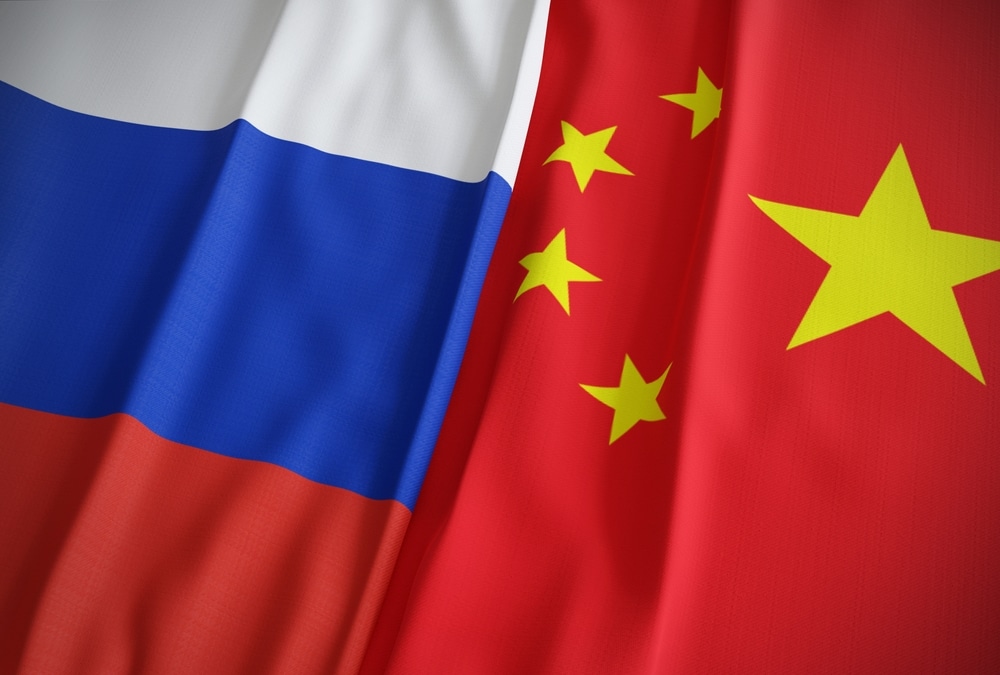
Former President Donald Trump’s recent remarks advocating for the deployment of Chinese warships have intensified scrutiny of U.S.-China relations. The comments come amid heightened global attention on regional security and trade dynamics, raising concerns among investors and policymakers about potential market volatility. Markets in Asia and beyond are watching for any shifts in risk sentiment that could influence investment flows and sectoral performance.
Geopolitical Sensitivities and Regional Implications
Trump’s statements strike at a sensitive issue for Chinese President Xi Jinping, whose administration prioritizes regional military projection and sovereignty assertions, particularly in contested waters. Analysts note that such comments, whether interpreted as political posturing or strategic critique, have the potential to escalate tensions in East Asia. For Israel and other global investors, developments in U.S.-China relations are closely monitored due to the indirect effects on technology supply chains, trade agreements, and energy markets.
In addition, regional economies, including Japan, South Korea, and Taiwan, remain alert to potential military posturing, which could affect shipping routes, semiconductor exports, and investment decisions. Heightened geopolitical risks often lead to short-term volatility in equity and commodity markets as investors price in potential disruptions.
Market Reactions and Investor Sentiment
Following Trump’s remarks, analysts observed increased risk aversion among investors in Asia, with safe-haven assets and currency fluctuations reflecting broader uncertainty. While no immediate disruptions have occurred, sectors such as technology, energy, and maritime logistics are under close observation. Investors are evaluating potential impacts on supply chains, particularly in semiconductors, where China plays a critical role in both production and export logistics.
Market watchers emphasize that even verbal escalations can influence trading behavior, affecting cross-border capital flows and sentiment-driven stock movements. Regional indices in Hong Kong, Shanghai, and Tokyo may experience short-term adjustments as participants assess evolving geopolitical narratives.
Strategic and Economic Implications
For policymakers, Trump’s comments highlight the fragility of international military and economic dynamics in East Asia. A rapid escalation or miscommunication could prompt reactions that affect trade tariffs, technology access, and energy security, which in turn could ripple into global financial markets. Analysts also point out that sustained tension may reinforce demand for defense-related technologies, cybersecurity, and strategic commodities.
For Israel, the developments serve as a reminder of the interconnectedness of global markets and the importance of monitoring both political and economic signals in investment planning. Corporate and institutional investors are weighing the balance between opportunity and risk in markets influenced by geopolitical headlines.
Outlook: Monitoring U.S.-China Dynamics and Market Sensitivity
Looking ahead, investors and market participants will focus on any policy responses from Beijing or Washington, assessing whether rhetoric escalates into tangible military or trade actions. Key indicators to watch include regional security reports, trade flow disruptions, and investor sentiment in Asia-Pacific markets.
While the situation remains fluid, heightened awareness of geopolitical risk and its potential market impact will continue to shape investor decisions, particularly in sectors exposed to global supply chains, technology exports, and energy commodities.
Comparison, examination, and analysis between investment houses
Leave your details, and an expert from our team will get back to you as soon as possible
* This article, in whole or in part, does not contain any promise of investment returns, nor does it constitute professional advice to make investments in any particular field.
To read more about the full disclaimer, click here
- Lior mor
- •
- 8 Min Read
- •
- ago 1 minute
SKN | Oil Prices Jump Above $100 as Middle East Conflict Escalates, Raising Global Supply Fears
Global markets are shifting rapidly as the escalating Middle East conflict pushes oil prices above $100 per barrel and raises
- ago 1 minute
- •
- 8 Min Read
Global markets are shifting rapidly as the escalating Middle East conflict pushes oil prices above $100 per barrel and raises

- omer bar
- •
- 8 Min Read
- •
- ago 1 day
SKN | U.S.–China Paris Talks Signal Possible Trade Breakthrough Ahead of Xi–Trump Summit
Senior U.S. and Chinese officials are nearing the conclusion of economic talks in Paris that could lay the groundwork for
- ago 1 day
- •
- 8 Min Read
Senior U.S. and Chinese officials are nearing the conclusion of economic talks in Paris that could lay the groundwork for
- omer bar
- •
- 9 Min Read
- •
- ago 1 day
SKN | Trump’s Unclear Strategy on Iran Leaves Allies and Markets Searching for Signals
Uncertainty surrounding former U.S. President Donald Trump’s long-term approach to Iran is drawing increasing attention from policymakers, investors, and global
- ago 1 day
- •
- 9 Min Read

Uncertainty surrounding former U.S. President Donald Trump’s long-term approach to Iran is drawing increasing attention from policymakers, investors, and global
- omer bar
- •
- 7 Min Read
- •
- ago 2 days
SKN | A 15% Global Tariff Proposal Could Reshape Trade — Which Stocks May Face the Greatest Pressure?
Global financial markets are closely watching the possibility of a significant shift in U.S. trade policy as discussions emerge
- ago 2 days
- •
- 7 Min Read
Global financial markets are closely watching the possibility of a significant shift in U.S. trade policy as discussions emerge

