


- Lior mor
- •
- 9 Min Read
- •
- 26 minutes ago
Key Points
- Oil prices near $100 are creating uncertainty for the Federal Reserve.
- The Fed is expected to keep interest rates unchanged for now.
- Higher energy costs could both increase inflation and weaken consumer spending.
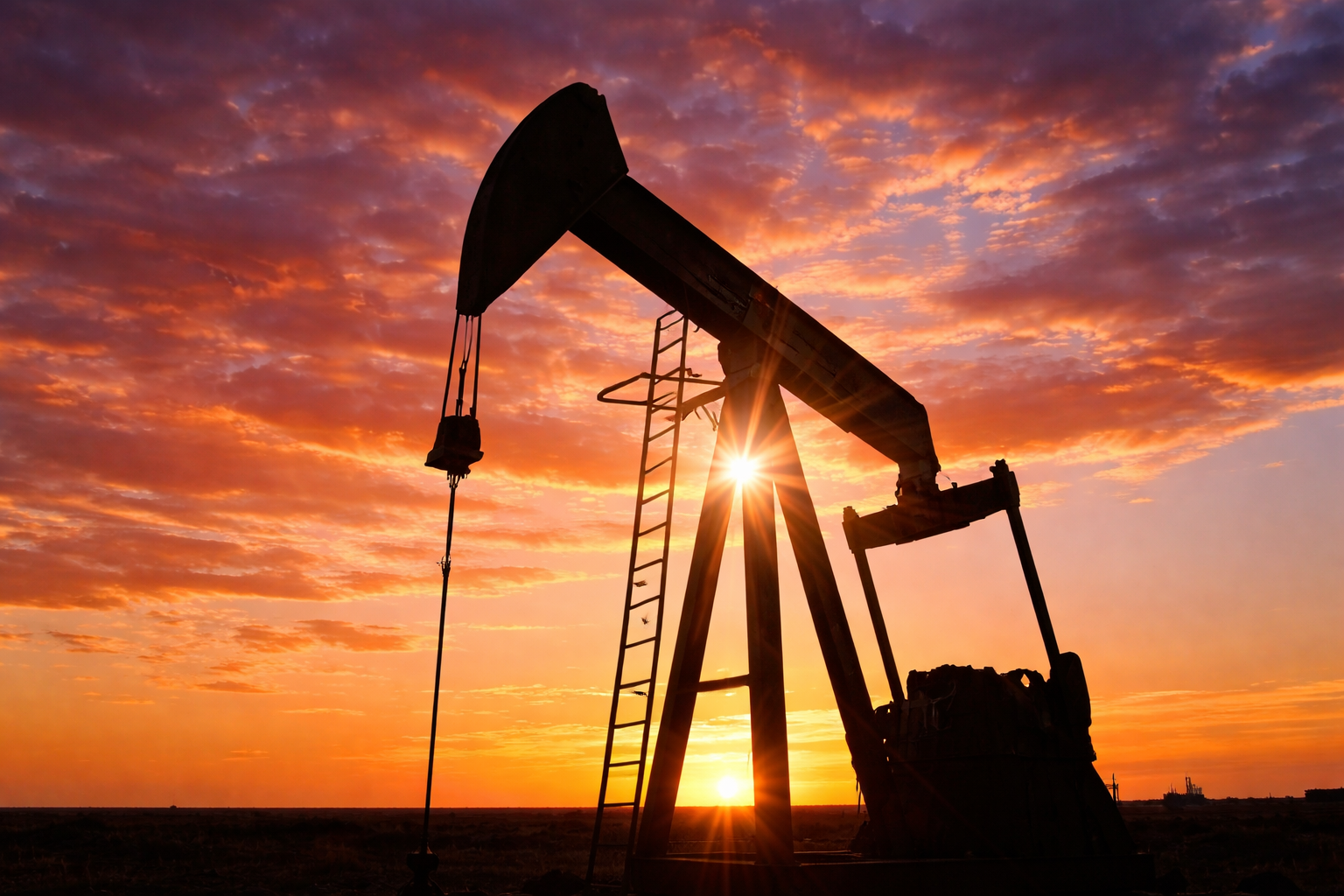
Rising oil prices linked to the escalating Iran conflict are adding new uncertainty to the Federal Reserve’s policy outlook as officials prepare for their latest two-day meeting. While markets broadly expect the central bank to hold interest rates steady, the energy shock is likely to intensify internal debate about how to balance inflation risks against slowing economic growth. With crude prices hovering near or above $100 per barrel, policymakers are now grappling with a fresh external shock that could complicate the path toward stable inflation and sustainable economic expansion.
Oil Prices Complicate the Fed’s Policy Calculus
Before the latest geopolitical tensions, many Federal Reserve officials believed the U.S. economy was stabilizing after a series of rate cuts last year aimed at supporting the labor market. Lower gas prices, tax refunds, and easing tariff pressures were expected to support consumer spending and help inflation gradually cool toward the central bank’s 2% target.
However, the surge in oil prices triggered by the Iran war has shifted that outlook. Higher energy costs can feed into transportation, manufacturing, and consumer expenses, potentially pushing headline inflation higher in the coming months. At the same time, more expensive fuel may weaken consumer spending, which accounts for roughly 70% of U.S. economic activity.
Former Kansas City Federal Reserve President Esther George said the current environment makes it difficult for policymakers to assess the appropriate long-term interest rate level.
“The path of inflation and other things were already uncertain,” George said. “Now you’ve got a lot going on in this economy that could turn in a lot of different directions.”
Persistent Inflation Adds to the Challenge
The oil shock arrives at a time when inflation has already remained above the Fed’s target for several years. The central bank’s preferred measure, the core Personal Consumption Expenditures (PCE) index, was running at around 3.1% entering the year. By comparison, the Consumer Price Index showed inflation at roughly 2.5% in February before the escalation of Middle East tensions.
Economists warn that higher energy costs could push headline inflation upward again. Still, some analysts believe the impact on core inflation — which excludes food and energy prices — may be more limited.
Luke Tilley, chief economist at Wilmington Trust, argues that sustained oil shocks tend to weigh more heavily on economic growth than on long-term inflation.
“Research shows sustained high oil prices are a bigger risk to growth than to inflation,” Tilley said. “The Fed will take a cautious stance and try to straddle the line.”
Different Views Emerging Inside the Fed
The uncertain outlook is expected to widen divisions among policymakers. Some members of the Federal Open Market Committee (FOMC) believe interest rates may eventually need to be lowered if economic growth weakens, especially if higher energy prices reduce consumer spending.
Others remain more cautious about inflation risks and could favor delaying any additional rate cuts until there is clearer evidence that price pressures are easing. The situation highlights the Fed’s ongoing challenge of balancing its dual mandate of maintaining price stability while supporting maximum employment.
Former St. Louis Fed President James Bullard suggested that the U.S. economy may be less vulnerable to an oil shock than in past decades because the country has become a major energy producer.
“The U.S. has enough oil to be self-sufficient,” Bullard said, noting that the broader economic impact may therefore be limited.
Markets Expect a Pause for Now
Despite the growing uncertainty, financial markets are widely expecting the Federal Reserve to leave interest rates unchanged at its upcoming meeting. Traders currently anticipate the benchmark policy rate to remain in the range of 3.5% to 3.75%, with the first potential rate cut not expected until late in the year.
Investors will also be watching the Fed’s updated “dot plot,” which outlines individual policymakers’ expectations for future interest rates. Given the uncertain economic environment, economists expect the projections to vary widely among committee members.
What Investors and Economists Are Watching Next
The key question now is how long elevated oil prices will persist and how deeply they will affect economic momentum. If crude remains near $100 per barrel for an extended period, economists warn that higher fuel costs could slow growth and potentially raise recession risks. At the same time, policymakers must determine whether the energy shock represents a temporary supply disruption or the beginning of broader inflation pressures.
For now, the Federal Reserve appears likely to take a cautious approach — holding rates steady while monitoring inflation data, labor market conditions, and geopolitical developments that could reshape the global economic outlook in the months ahead.
Comparison, examination, and analysis between investment houses
Leave your details, and an expert from our team will get back to you as soon as possible
* This article, in whole or in part, does not contain any promise of investment returns, nor does it constitute professional advice to make investments in any particular field.
To read more about the full disclaimer, click here
- omer bar
- •
- 6 Min Read
- •
- ago 3 days
SKN | Why Are Asia-Pacific Markets Falling as Oil Prices Surge Amid the Middle East Conflict?
Asia-Pacific equity markets opened lower as investors reacted to a sharp rise in global oil prices and growing concerns that
- ago 3 days
- •
- 6 Min Read

Asia-Pacific equity markets opened lower as investors reacted to a sharp rise in global oil prices and growing concerns that

- Lior mor
- •
- 7 Min Read
- •
- ago 6 days
SKN | Garden Stage Skyrockets 248% in One Day as Microcap Stock Sees Extreme Volatility
Garden Stage Limited (GSIW) stunned the market with an explosive rally, closing at $33.21 after soaring 248.11% in a single
- ago 6 days
- •
- 7 Min Read

Garden Stage Limited (GSIW) stunned the market with an explosive rally, closing at $33.21 after soaring 248.11% in a single
- Lior mor
- •
- 7 Min Read
- •
- ago 7 days
SKN | Uranium Stocks Stabilize as Global X Uranium ETF Rebounds Toward $50
The Global X Uranium ETF (URA), a widely tracked benchmark for uranium mining and nuclear fuel companies, climbed to $49.91
- ago 7 days
- •
- 7 Min Read
The Global X Uranium ETF (URA), a widely tracked benchmark for uranium mining and nuclear fuel companies, climbed to $49.91
- Lior mor
- •
- 5 Min Read
- •
- ago 1 week
SKN | Global Equity Funds See First Outflow in Eight Weeks Amid Middle East Conflict
Global investors pulled money from stock funds for the first time in nearly two months as escalating tensions in the
- ago 1 week
- •
- 5 Min Read

Global investors pulled money from stock funds for the first time in nearly two months as escalating tensions in the

