


- Ronny Mor
- •
- 7 Min Read
- •
- 23 minutes ago
Key Points
- China is expanding its ultra-high-voltage (UHV) power grid to better manage energy shocks and regional supply imbalances.
- The network supports renewable integration and stabilizes industrial output amid fluctuating domestic and global demand.
- Strategic control of energy distribution provides Beijing with leverage over regional markets and mitigates risk from external supply disruptions.
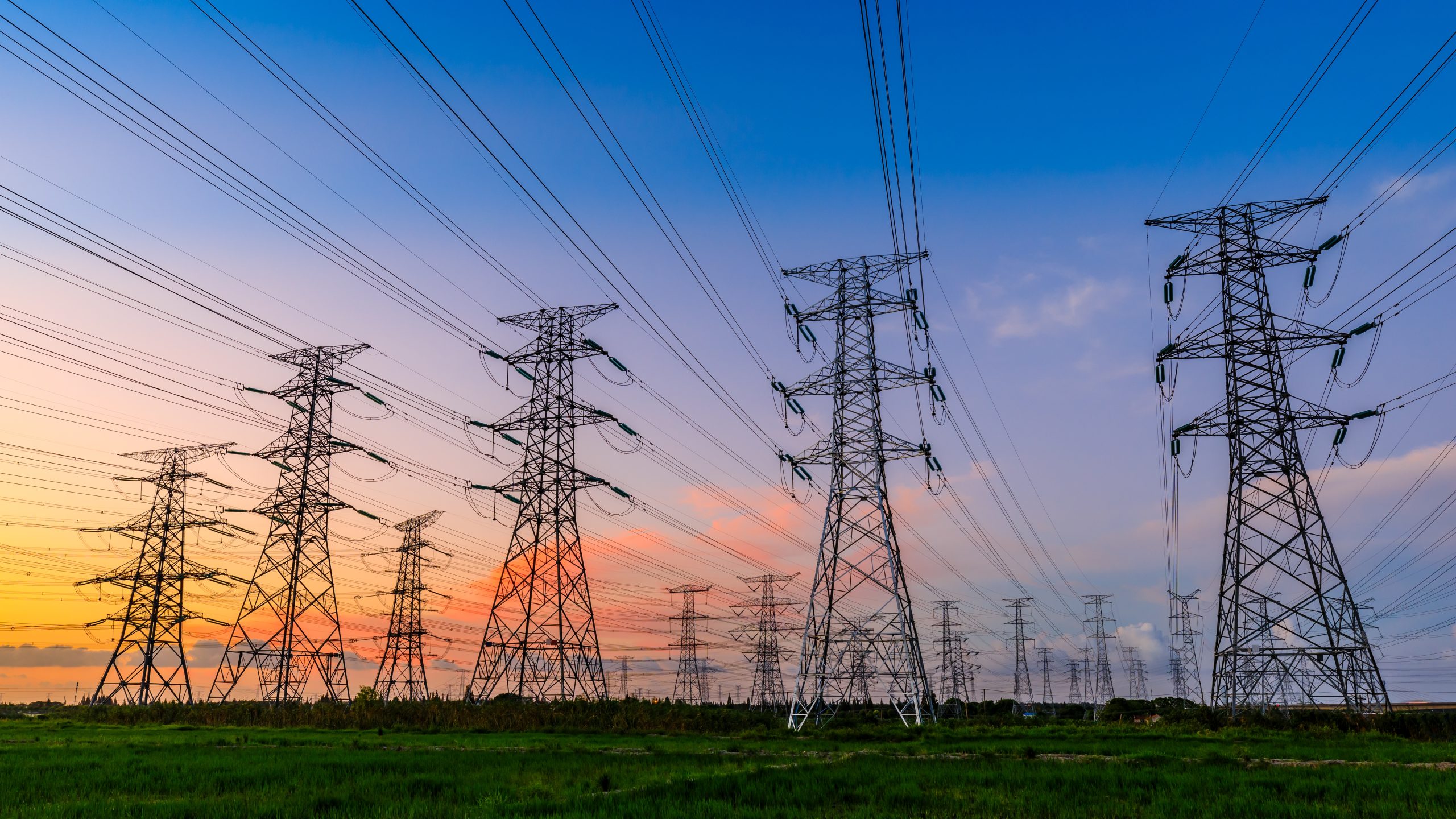
China’s ambitious rollout of an ultra-high-voltage (UHV) power grid is positioning the country to better absorb energy shocks while ensuring industrial stability. As domestic energy demand grows alongside global market volatility, the supergrid offers a mechanism to distribute electricity efficiently from surplus regions to high-demand centers, reducing regional imbalances and supporting economic resilience. The initiative also aligns with broader goals of renewable energy integration and energy security under Xi Jinping’s administration.
Expanding the UHV Network Across China
The UHV grid, spanning thousands of kilometers, connects remote energy-rich regions with major industrial hubs along China’s eastern seaboard. This infrastructure allows for the transfer of electricity generated from hydropower, wind, and solar plants over long distances with minimal losses, effectively linking energy production with consumption centers. By addressing previous bottlenecks in regional power distribution, China enhances its capacity to maintain continuous industrial operations even during localized supply disruptions.
Energy analysts note that the grid reduces the reliance on localized fossil fuel plants in industrial provinces, which historically have been subject to environmental and operational constraints. With improved connectivity, Beijing can prioritize the allocation of power during peak periods, balancing industrial and residential demand while reducing strain on thermal power generation.
Supporting Renewable Integration and Climate Goals
China’s supergrid is also central to the country’s renewable energy strategy. By enabling the transmission of power from remote wind farms in Inner Mongolia and solar arrays in the northwest to densely populated cities, the grid helps mitigate curtailment issues, where excess renewable output is otherwise wasted. Analysts estimate that UHV transmission can increase the effective utilization of renewable capacity by 15–20%, directly supporting China’s carbon reduction and energy transition targets.
Moreover, the grid allows for more flexible load management, helping integrate intermittent sources like wind and solar without destabilizing the national network. For global investors and energy markets, this demonstrates China’s capacity to maintain industrial productivity while reducing carbon intensity, which could influence commodity demand and global energy price dynamics.
Strategic Implications for China and Global Markets
Beyond operational efficiency, the UHV network strengthens Beijing’s strategic position. Control over power distribution provides a buffer against energy shocks—whether caused by domestic shortages, extreme weather, or geopolitical supply disruptions. This centralization of energy infrastructure gives policymakers tools to manage economic output proactively and maintain social stability.
The expansion also signals potential competitive advantages in global markets. With a reliable power network underpinning industrial hubs, China can maintain production continuity, supporting export-driven growth and providing a level of predictability for supply chains that other countries may lack. Additionally, the grid underscores the country’s long-term focus on technology-driven infrastructure investment, which could shape regional and international energy policy discussions.
Looking Ahead: Risks and Opportunities
Going forward, stakeholders will monitor how effectively the UHV network mitigates energy volatility and supports renewable integration. Potential risks include overreliance on centralized grid management, the technical challenges of scaling transmission capacity, and the pace of renewable expansion relative to grid capabilities. Opportunities lie in increased industrial stability, reduced carbon emissions, and enhanced control over domestic energy markets.
For investors in Israel and globally, China’s supergrid serves as a barometer for how strategic infrastructure can buffer national economies against supply disruptions and global energy shocks, offering lessons for energy policy, investment decisions, and industrial planning.
Comparison, examination, and analysis between investment houses
Leave your details, and an expert from our team will get back to you as soon as possible
* This article, in whole or in part, does not contain any promise of investment returns, nor does it constitute professional advice to make investments in any particular field.
To read more about the full disclaimer, click here
- sagi habasov
- •
- 6 Min Read
- •
- ago 8 minutes
SKN | U.S. Stock Futures Waver as Oil Surges Amid U.S.–Iran Energy Tensions
U.S. stock futures wavered on Monday as crude oil prices climbed amid renewed geopolitical tension between the United States and
- ago 8 minutes
- •
- 6 Min Read

U.S. stock futures wavered on Monday as crude oil prices climbed amid renewed geopolitical tension between the United States and

- orshu
- •
- 6 Min Read
- •
- ago 4 hours
SKN | Rising Demand for 24K Gold Assets Drives Expansion of High-Security Buying Services
Demand for physical gold assets continues to grow as investors, collectors, and estate holders increasingly turn to precious metals
- ago 4 hours
- •
- 6 Min Read

Demand for physical gold assets continues to grow as investors, collectors, and estate holders increasingly turn to precious metals
- orshu
- •
- 7 Min Read
- •
- ago 5 hours
SKN | U.S. Clarifies Iran War Oil Reserve Release Will Be Structured as an Exchange, Not a Sale
The United States has reaffirmed that any crude oil released from the Strategic Petroleum Reserve (SPR) in response to
- ago 5 hours
- •
- 7 Min Read

The United States has reaffirmed that any crude oil released from the Strategic Petroleum Reserve (SPR) in response to
- sagi habasov
- •
- 7 Min Read
- •
- ago 1 day
SKN | Bloom Energy Shares Rally Sharply — What’s Driving the Momentum in the Hydrogen Power Market?
Bloom Energy Corporation shares recorded a strong rally this week, drawing renewed attention from investors tracking the global transition
- ago 1 day
- •
- 7 Min Read

Bloom Energy Corporation shares recorded a strong rally this week, drawing renewed attention from investors tracking the global transition

