


- Lior mor
- •
- 6 Min Read
- •
- 57 minutes ago
Key Points
- The Australian Dollar Currency Index (^XDA) experienced a sharp contraction, closing the five-day trading period down 1.35% at 69.82.
- Prices retreated swiftly from the upper bounds of their 52-week range, breaking below the psychological 70.00 threshold and reflecting a sudden shift in market sentiment.
- Investors are closely monitoring global macroeconomic indicators and commodity trends to determine if this pullback presents strategic foreign exchange opportunities or signals further downside.
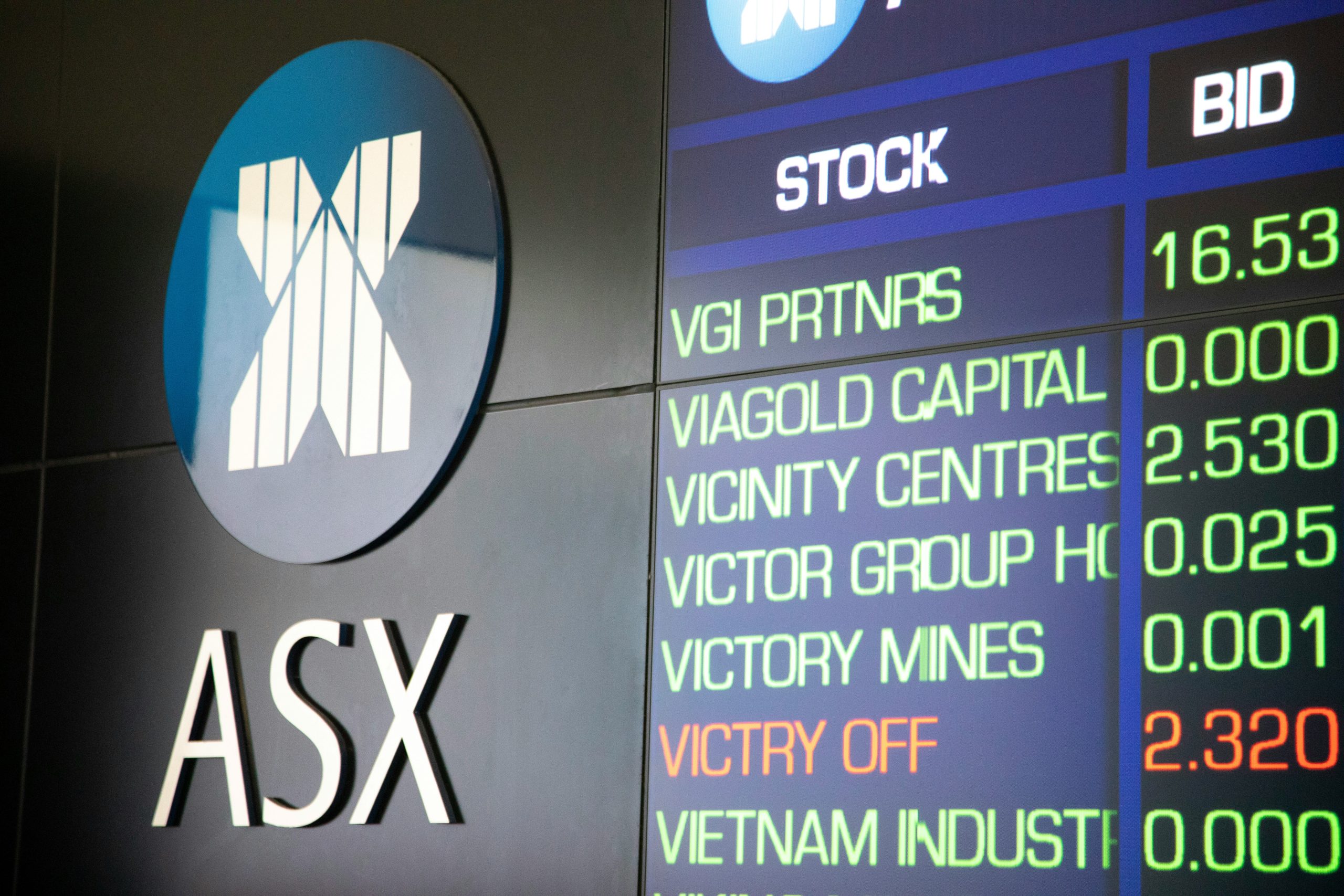
The Australian Dollar Currency Index (^XDA) registered a noticeable retracement this week, shedding 0.96 points to close at 69.82 following a sharp midweek sell-off. This pullback comes after the index recently approached the absolute upper limits of its 52-week range, highlighting a sudden recalibration of risk appetite among global currency traders. As a primary proxy for global growth and commodity demand, the Aussie dollar’s sudden dip warrants close attention from investors navigating the broader foreign exchange landscape.
Midweek Reversal and Technical Breakdown
After maintaining a relatively stable and elevated trajectory above the 71.00 mark early in the week, the index faced intense downward pressure beginning on March 12. The asset broke through initial support structures, ultimately sliding to a daily low of 69.79 before settling marginally higher at the close. This swift depreciation effectively erased previous short-term gains, dragging the currency away from its impressive 52-week high of 71.87. For technical analysts, the breach of the 70.00 barrier indicates a potential shift in momentum, prompting market participants to critically reassess their near-term exposure to the asset.
Macroeconomic Drivers and Global Context
The performance of the Australian dollar is intrinsically linked to the health of the global economy, heavily influenced by commodity market trends and broader risk-on sentiment. While the specific daily catalysts can vary, sell-offs of this magnitude often reflect shifting expectations regarding central bank monetary policy, inflation data, or disruptions in global trade flows. For sophisticated investors, including those in Israel diversifying their portfolios via foreign exchange markets, this volatility underscores the high sensitivity of commodity-backed currencies to sudden shifts in global economic forecasts.
Assessing the Broad Range and Historical Resilience
Despite the sharp weekly decline, it is essential to contextualize this price action within the asset’s wider historical performance. The index currently operates within a sprawling 52-week range of 59.44 to 71.87. Even at the current level of 69.82, the currency remains significantly elevated from its annual lows, indicating that the foundational long-term upward trend has not been dismantled. This resilient positioning suggests underlying strength, and the current widespread volatility may present strategic trading opportunities for institutional players seeking to capitalize on temporary mispricings within the currency markets.
Looking ahead, market participants must closely monitor whether the Australian Dollar can rapidly reclaim the pivotal 70.00 level or if persistent selling pressure will drag it toward deeper, established support zones. Future price action will likely be dictated by upcoming macroeconomic data releases, shifting commodity valuations, and the broader trajectory of the US dollar. Investors should strategically manage their foreign exchange risk, remaining highly vigilant for emerging growth prospects and entry points as global economic indicators clarify the true strength of the Australian dollar’s fundamental outlook.
Comparison, examination, and analysis between investment houses
Leave your details, and an expert from our team will get back to you as soon as possible
* This article, in whole or in part, does not contain any promise of investment returns, nor does it constitute professional advice to make investments in any particular field.
To read more about the full disclaimer, click here
- omer bar
- •
- 6 Min Read
- •
- ago 2 minutes
SKN | Assessing the TA-SME60 Equal Weight Index: Will the Mid-Week Rebound Drive Sustainable Momentum?
The Israeli equity market witnessed a week of concentrated price discovery, particularly within the mid-cap and small-cap segments tracked by
- ago 2 minutes
- •
- 6 Min Read
The Israeli equity market witnessed a week of concentrated price discovery, particularly within the mid-cap and small-cap segments tracked by

- Arik Arkadi Sluzki
- •
- 6 Min Read
- •
- ago 2 hours
SKN | KOSPI Secures Solid Weekly Gains Despite Friday Profit-Taking: Will the Momentum Hold?
South Korean equities demonstrated remarkable resilience this week, navigating global macroeconomic headwinds to secure a robust net positive performance.
- ago 2 hours
- •
- 6 Min Read

South Korean equities demonstrated remarkable resilience this week, navigating global macroeconomic headwinds to secure a robust net positive performance.

- sagi habasov
- •
- 6 Min Read
- •
- ago 3 hours
SKN | Navigating Volatility: What Drove the Nikkei 225’s Mid-Week Consolidation?
The Nikkei 225 concluded the trading week with a notable pullback, closing down 633.35 points at 53,819.61 on Friday,
- ago 3 hours
- •
- 6 Min Read

The Nikkei 225 concluded the trading week with a notable pullback, closing down 633.35 points at 53,819.61 on Friday,

- orshu
- •
- 6 Min Read
- •
- ago 4 hours
SKN | Assessing the Hang Seng Index: Is the Recent Consolidation a Sign of Asian Market Resilience?
The Hang Seng Index (^HSI) concluded the trading week ending March 13 at 25,465.60, reflecting a contained contraction amid
- ago 4 hours
- •
- 6 Min Read

The Hang Seng Index (^HSI) concluded the trading week ending March 13 at 25,465.60, reflecting a contained contraction amid

