


- Arik Arkadi Sluzki
- •
- 7 Min Read
- •
- 30 minutes ago
Key Points
- Formula 1 is reportedly evaluating the cancellation of races in Bahrain and Saudi Arabia as geopolitical tensions linked to the Iran conflict intensify across the Middle East.
- The Middle East has become a critical region for Formula 1’s commercial expansion, hosting multiple races and major sponsorship agreements.
- Potential race cancellations highlight the growing financial and logistical risks global sporting organizations face when operating in geopolitically sensitive regions.
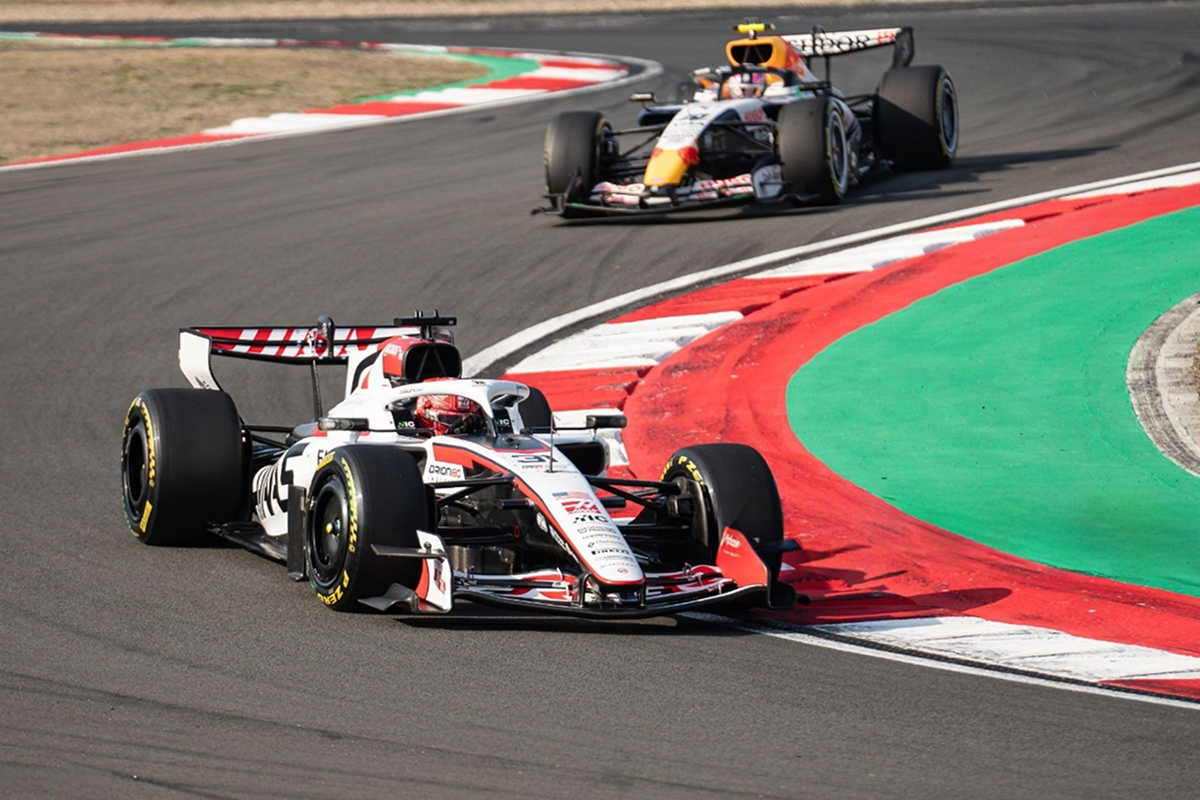
Global sporting events are increasingly intersecting with geopolitical risk, and Formula 1 is now facing the possibility of significant calendar disruption as tensions linked to the Iran war escalate across the Middle East. Reports suggest the organization is considering scrapping upcoming races in Bahrain and Saudi Arabia due to security concerns and regional instability. The potential cancellations underscore how geopolitical conflicts can ripple through global sports, media rights, and international sponsorship markets.
The Middle East’s Growing Role in Formula 1’s Global Strategy
Over the past decade, the Middle East has become a cornerstone of Formula 1’s commercial expansion strategy. Countries such as Bahrain, Saudi Arabia, Qatar, and the United Arab Emirates have invested heavily in motorsport infrastructure, positioning themselves as key hosts on the global racing calendar.
The Bahrain Grand Prix, held at the Bahrain International Circuit since 2004, was the first Formula 1 race in the Middle East and has become a regular season-opening event in recent years. Meanwhile, the Saudi Arabian Grand Prix in Jeddah, introduced in 2021, represents part of Saudi Arabia’s broader strategy to expand its international sports presence as part of the country’s Vision 2030 economic diversification program.
These events generate significant economic activity through tourism, broadcasting rights, corporate sponsorships, and global media exposure. For Formula 1 owner Liberty Media, the Middle East represents an important revenue stream tied to race-hosting fees that can exceed tens of millions of dollars per event.
Geopolitical Risks Increasing Operational Challenges
The prospect of canceling races reflects growing concerns about the operational risks associated with hosting major international events in regions affected by military tensions. Escalation involving Iran and regional actors has raised security considerations for teams, personnel, sponsors, and spectators.
Formula 1 logistics are highly complex, involving the transportation of hundreds of tons of equipment, race cars, and broadcast infrastructure across continents within tight timeframes. Any security disruptions or airspace restrictions linked to regional conflict could significantly affect the ability to safely stage an event.
Sports organizations have historically faced similar challenges during periods of geopolitical instability. Previous conflicts have forced schedule adjustments across international sports competitions, including Olympic qualifiers, football tournaments, and motorsport races. In Formula 1’s case, the risk extends beyond logistics to include reputational considerations and the safety of thousands of personnel involved in race operations.
Financial and Commercial Implications for the Sport
Potential cancellations could also carry financial implications for Formula 1’s broader commercial ecosystem. Race-hosting fees from governments in the Middle East represent some of the highest payments on the Formula 1 calendar, forming an important part of the sport’s annual revenue.
In addition, major corporate sponsors often align their marketing campaigns with global sporting events that deliver significant international viewership. Disruptions to the race schedule could affect broadcast agreements, sponsorship activations, and tourism revenues tied to the events.
At the same time, Formula 1 has been working to expand its global audience through new race locations and growing media partnerships. The sport’s popularity has surged in recent years, particularly in the United States and Asia, following increased digital engagement and streaming exposure.
Looking ahead, Formula 1’s leadership will likely weigh security assessments, logistical feasibility, and contractual obligations before making any final decision regarding the Bahrain and Saudi Arabia races. The situation highlights the broader challenge facing global sporting organizations as they navigate an increasingly complex geopolitical environment while maintaining the stability of international sporting calendars.
Comparison, examination, and analysis between investment houses
Leave your details, and an expert from our team will get back to you as soon as possible
* This article, in whole or in part, does not contain any promise of investment returns, nor does it constitute professional advice to make investments in any particular field.
To read more about the full disclaimer, click here
- Lior mor
- •
- 7 Min Read
- •
- ago 1 hour
SKN | Uber Co-Founder Travis Kalanick Launches Atoms: A New Bet on Specialized Robotics
The global race to develop advanced automation technologies is accelerating as companies search for ways to improve productivity and
- ago 1 hour
- •
- 7 Min Read

The global race to develop advanced automation technologies is accelerating as companies search for ways to improve productivity and

- orshu
- •
- 6 Min Read
- •
- ago 1 hour
SKN | Markets Extend Decline on March 13, 2026 as Dollar Surges and Volatility Stays Elevated
U.S. equity markets closed lower on Friday, March 13, 2026, extending the week’s losses as investors remained cautious amid rising
- ago 1 hour
- •
- 6 Min Read

U.S. equity markets closed lower on Friday, March 13, 2026, extending the week’s losses as investors remained cautious amid rising
- orshu
- •
- 7 Min Read
- •
- ago 6 hours
SKN | Israel Market Close – March 12, 2026: Tel Aviv Stocks Slide Sharply as Broad Selloff Hits Mid-Caps and Value Shares
Israeli markets closed significantly lower on March 12, 2026, as widespread selling pressure pushed most major indices into negative territory.
- ago 6 hours
- •
- 7 Min Read
Israeli markets closed significantly lower on March 12, 2026, as widespread selling pressure pushed most major indices into negative territory.
- orshu
- •
- 7 Min Read
- •
- ago 15 hours
SKN | Tel Aviv Stock Market Slips as Broad Declines Weigh on Israeli Equities
The Tel Aviv Stock Exchange opened the session with broad-based declines across most major indices, signaling cautious sentiment among investors
- ago 15 hours
- •
- 7 Min Read
The Tel Aviv Stock Exchange opened the session with broad-based declines across most major indices, signaling cautious sentiment among investors

