


- Lior mor
- •
- 6 Min Read
- •
- 3 hours ago
Key Points
- Honda has canceled three planned electric vehicles for the North American market.
- The decision could lead to a $15.7 billion financial impact and the company’s first annual loss since going public.
- Slower EV demand, regulatory changes, and global competition are forcing automakers to rethink electrification strategies.
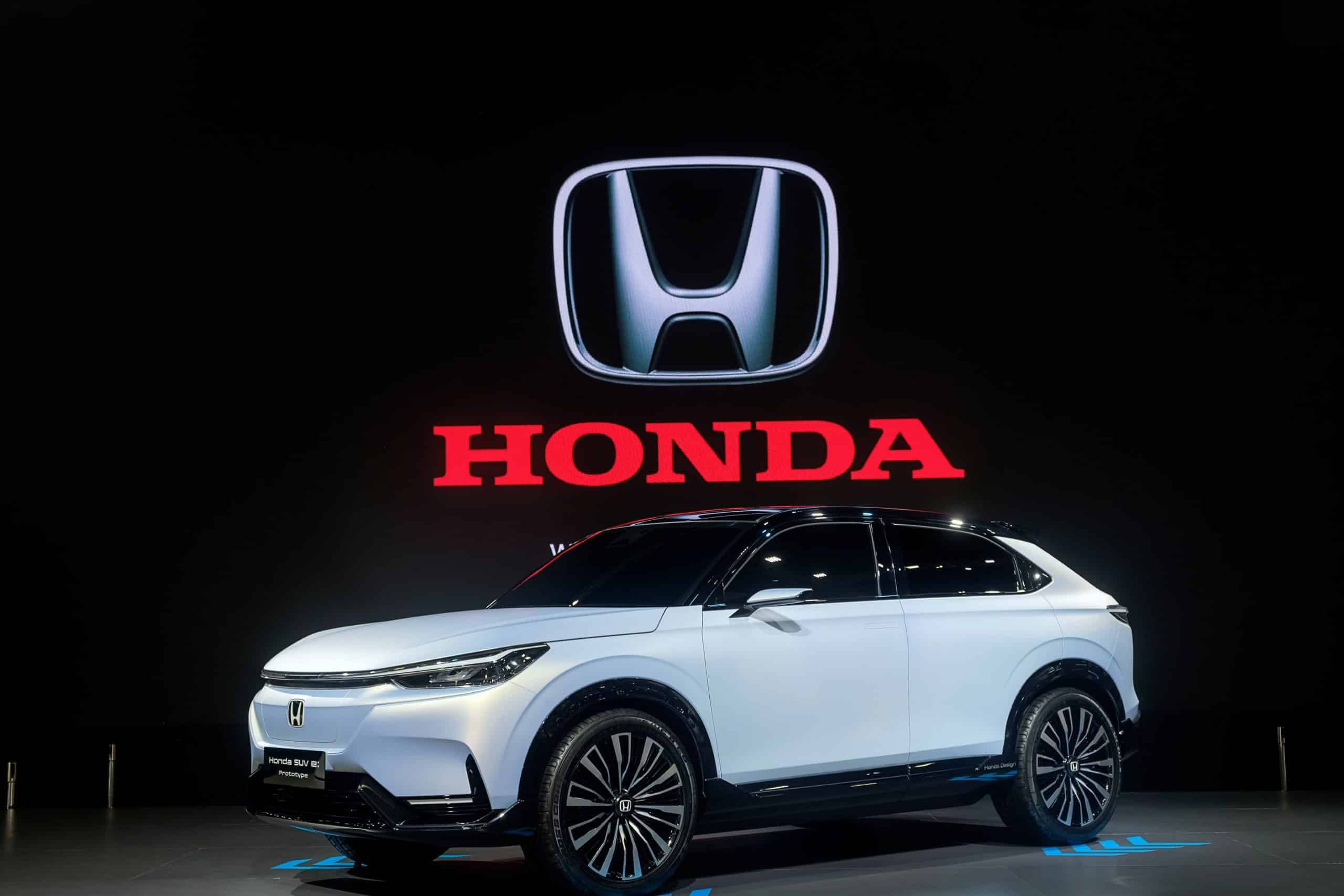
Honda has announced a dramatic shift in its electric vehicle strategy, canceling several major EV projects in North America as weakening demand and rising cost pressures reshape the global automotive landscape. The decision reflects a broader reassessment occurring across the industry, where manufacturers are adjusting ambitious electrification plans after encountering slower-than-expected market adoption. The move could push Honda into its first annual net loss since the company went public in 1957, highlighting the financial risks associated with large-scale investments in emerging vehicle technologies.
Honda Cancels Three Electric Vehicle Models
Honda confirmed it will halt development and production of three electric models originally planned for the North American market: the Honda 0 SUV, Honda 0 Saloon, and the Acura RSX electric vehicle. The company concluded that launching the vehicles under current market conditions could deepen financial losses as demand for EVs softens. While many automakers previously accelerated electrification programs to meet regulatory targets and investor expectations, the slowdown in consumer adoption has forced companies to reconsider the pace of their transition toward fully electric lineups.
Strategic Reversal Could Trigger Historic Financial Loss
The cancellation of these EV programs is expected to carry significant financial consequences for Honda. Analysts estimate that write-offs, asset impairments, and other restructuring costs could reach approximately 2.5 trillion yen, equivalent to about $15.7 billion. The scale of the charge could push the company into its first annual net loss since its public listing nearly seven decades ago. Additional financial pressure is expected from impairment losses tied to Honda’s investments in China, where competitive dynamics in the automotive sector have changed rapidly.
Multiple Market Forces Behind the Decision
Several economic and regulatory factors influenced Honda’s strategic pivot. In the United States, the pace of EV adoption has slowed as government incentives have been adjusted and emissions policies have softened. Meanwhile, China’s automotive market has become increasingly dominated by domestic manufacturers producing highly digitalized vehicles with advanced software capabilities. At the same time, U.S. tariff policies have increased cost pressures across Honda’s broader vehicle lineup, complicating profitability across both gasoline and hybrid models.
Industry Outlook
Honda’s decision underscores the growing uncertainty surrounding the global transition to electric vehicles. While electrification remains a long-term goal for many automakers, the timeline for mass adoption appears less predictable than previously anticipated. Honda plans to redirect resources toward hybrid technologies while continuing EV development at a more cautious pace. As automakers recalibrate strategies amid shifting consumer demand and policy environments, the industry may move toward a more gradual transition combining hybrid and electric powertrains rather than a rapid shift to fully electric vehicles.
Comparison, examination, and analysis between investment houses
Leave your details, and an expert from our team will get back to you as soon as possible
* This article, in whole or in part, does not contain any promise of investment returns, nor does it constitute professional advice to make investments in any particular field.
To read more about the full disclaimer, click here
- Lior mor
- •
- 6 Min Read
- •
- ago 17 hours
SKN | Why Did Adobe Stock Drop Despite Strong Earnings After CEO Shantanu Narayen’s Exit Announcement?
Adobe shares declined sharply after the company announced that long-time chief executive Shantanu Narayen plans to step down after nearly
- ago 17 hours
- •
- 6 Min Read

Adobe shares declined sharply after the company announced that long-time chief executive Shantanu Narayen plans to step down after nearly
- Lior mor
- •
- 7 Min Read
- •
- ago 19 hours
SKN | Adobe (NASDAQ: ADBE) Beats Q1 Revenue Estimates—So Why Did the Stock Fall?
Adobe Inc. (NASDAQ: ADBE) reported fiscal first-quarter CY2026 results that exceeded Wall Street revenue expectations, yet the company’s stock
- ago 19 hours
- •
- 7 Min Read

Adobe Inc. (NASDAQ: ADBE) reported fiscal first-quarter CY2026 results that exceeded Wall Street revenue expectations, yet the company’s stock

- sagi habasov
- •
- 8 Min Read
- •
- ago 2 days
SKN | Bumble Beats Revenue Estimates: Dating App’s Strong Quarter Signals Stabilizing Digital Subscription Demand
Online dating platform Bumble Inc. reported quarterly revenue that exceeded Wall Street expectations, offering investors a signal that digital
- ago 2 days
- •
- 8 Min Read

Online dating platform Bumble Inc. reported quarterly revenue that exceeded Wall Street expectations, offering investors a signal that digital

- Ronny Mor
- •
- 7 Min Read
- •
- ago 2 days
SKN | Will Shell’s Force Majeure on Qatari LNG Trigger Global Gas Supply Disruptions?
Global natural gas markets are facing renewed uncertainty after Shell declared force majeure on liquefied natural gas cargoes purchased from
- ago 2 days
- •
- 7 Min Read

Global natural gas markets are facing renewed uncertainty after Shell declared force majeure on liquefied natural gas cargoes purchased from

