


- orshu
- •
- 7 Min Read
- •
- 3 hours ago
Key Points
- Major European stock indices ended the March 12 session in negative territory, with the EURO STOXX 50, MSCI Europe, and CAC 40 all posting notable declines.
- Currency indicators weakened, as both the Euro Index and British Pound Index slipped, reflecting broader market caution.
- Investors remain cautious across Europe as global volatility, energy market dynamics, and macroeconomic uncertainty weigh on sentiment.
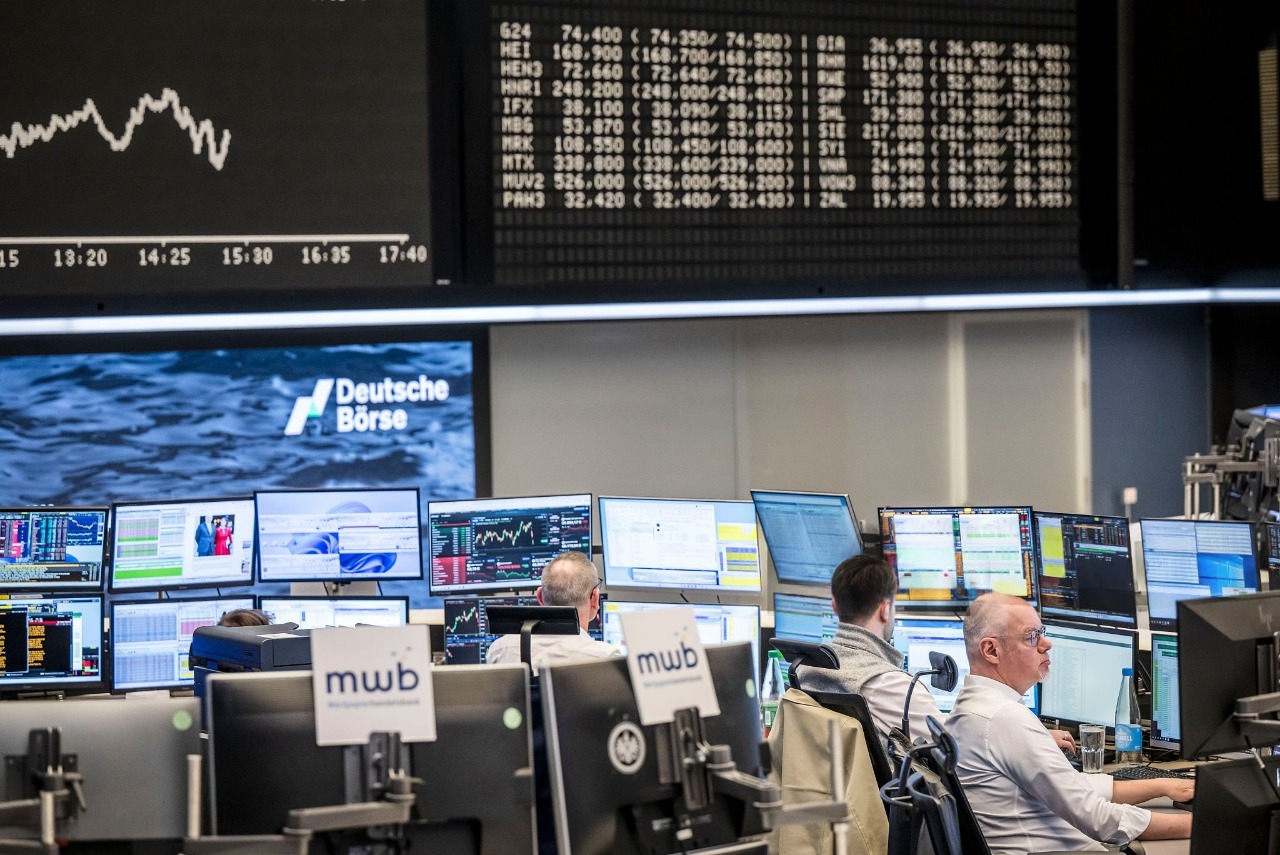
European equity markets closed lower on March 12 as investors adopted a more cautious stance following increased global volatility and shifting macroeconomic expectations. Major indices across the region declined modestly, reflecting broad-based risk aversion in financial markets. Currency indicators also weakened during the session, highlighting a defensive tone among investors navigating global economic uncertainty.
Major European Indices End the Session Lower
Across continental Europe, several key benchmarks finished the trading session in negative territory. The EURO STOXX 50, which tracks major blue-chip companies across the eurozone, declined 0.91% to close at approximately 5,741.72. Meanwhile, the broader MSCI Europe Index fell 1.02%, reflecting widespread weakness across multiple sectors.
France’s CAC 40 also experienced selling pressure, dropping 0.79% to around 7,978.08. Germany’s DAX, one of the region’s most closely watched benchmarks, slipped 0.32% to roughly 23,563.91. The relatively smaller decline in the DAX compared with other indices suggests some resilience among German industrial and export-oriented companies.
Other European markets also reflected the cautious tone. The Euronext 100 Index fell 0.61%, while the United Kingdom’s FTSE 100 declined 0.51%, closing near 10,301.04. These declines illustrate a broad regional pullback as investors reassessed risk exposure.
Currency Weakness Reflects Defensive Investor Sentiment
European currency indicators also softened during the session. The Euro Index declined 0.42% to approximately 115.22, while the British Pound Index slipped 0.45% to around 133.53. Currency movements often mirror shifts in investor sentiment and capital flows, making them an important indicator of broader market dynamics.
A weakening currency environment can sometimes provide support to export-driven companies, as a softer euro or pound can improve the competitiveness of European goods in global markets. However, persistent currency weakness may also reflect concerns about economic growth prospects or monetary policy divergence between regions.
Currency fluctuations are particularly relevant for multinational corporations listed on European exchanges, as exchange rate movements influence overseas revenues and global trade competitiveness.
Global Volatility and Energy Markets Shape Market Outlook
The broader weakness across European equities also reflects developments in global markets, including increased volatility and shifting energy market dynamics. Energy prices continue to play a central role in shaping European economic conditions, given the region’s reliance on imported energy resources.
Higher energy costs can place pressure on manufacturing sectors and consumer spending, particularly in economies with strong industrial bases. As a result, investors closely monitor oil and gas price movements when assessing European corporate profitability and economic momentum.
Additionally, global macroeconomic indicators—including inflation data, interest rate expectations, and geopolitical developments—continue to influence investor sentiment. European markets often react strongly to policy signals from major central banks such as the European Central Bank and the U.S. Federal Reserve.
Looking ahead, investors will closely watch several factors that could shape the direction of European markets in the coming sessions. Economic indicators such as inflation, manufacturing activity, and consumer spending will provide insight into the strength of the region’s recovery. Currency movements and central bank policy expectations will also remain key drivers of investor sentiment. Additionally, developments in global energy markets could influence both corporate earnings and broader economic outlooks across the eurozone and the United Kingdom. If global volatility stabilizes and economic indicators improve, European equities could regain momentum. However, persistent uncertainty in global financial markets may keep investors cautious as they assess risks and opportunities across the region.
Comparison, examination, and analysis between investment houses
Leave your details, and an expert from our team will get back to you as soon as possible
* This article, in whole or in part, does not contain any promise of investment returns, nor does it constitute professional advice to make investments in any particular field.
To read more about the full disclaimer, click here
- Lior mor
- •
- 6 Min Read
- •
- ago 13 minutes
SKN | Why Did the Nasdaq Lead Wall Street Lower as Oil Prices Surge on Iran Conflict?
U.S. stocks moved lower as escalating tensions in the Middle East pushed oil prices sharply higher, triggering renewed inflation concerns
- ago 13 minutes
- •
- 6 Min Read

U.S. stocks moved lower as escalating tensions in the Middle East pushed oil prices sharply higher, triggering renewed inflation concerns

- orshu
- •
- 7 Min Read
- •
- ago 16 minutes
SKN | European Stocks Fall as Oil Price Surge Fuels Inflation Concerns and Renewed Rate-Hike Expectations
European equity markets ended the session lower as a surge in global oil prices triggered renewed concerns about inflation
- ago 16 minutes
- •
- 7 Min Read

European equity markets ended the session lower as a surge in global oil prices triggered renewed concerns about inflation

- sagi habasov
- •
- 7 Min Read
- •
- ago 1 hour
SKN | Why Is Petco (WOOF) Stock Surging Today? Wall Street Reacts to Turnaround Signals and Analyst Upgrade
Petco Health and Wellness Company (NASDAQ: WOOF) shares surged in recent trading after the pet-care retailer signaled a potential
- ago 1 hour
- •
- 7 Min Read

Petco Health and Wellness Company (NASDAQ: WOOF) shares surged in recent trading after the pet-care retailer signaled a potential
- orshu
- •
- 7 Min Read
- •
- ago 3 hours
SKN | Israel Market Close – March 12, 2026: Tel Aviv Stocks Slide Sharply as Broad Selloff Hits Mid-Caps and Value Shares
Israeli markets closed significantly lower on March 12, 2026, as widespread selling pressure pushed most major indices into negative territory.
- ago 3 hours
- •
- 7 Min Read

Israeli markets closed significantly lower on March 12, 2026, as widespread selling pressure pushed most major indices into negative territory.

