


- Lior mor
- •
- 6 Min Read
- •
- 13 hours ago
Key Points
- Samsung Display warned that rising oil prices linked to the Iran conflict could increase production costs.
- Petroleum-based materials used in electronics manufacturing are sensitive to crude oil price fluctuations.
- Higher energy and component costs could eventually influence pricing across the global consumer electronics market.
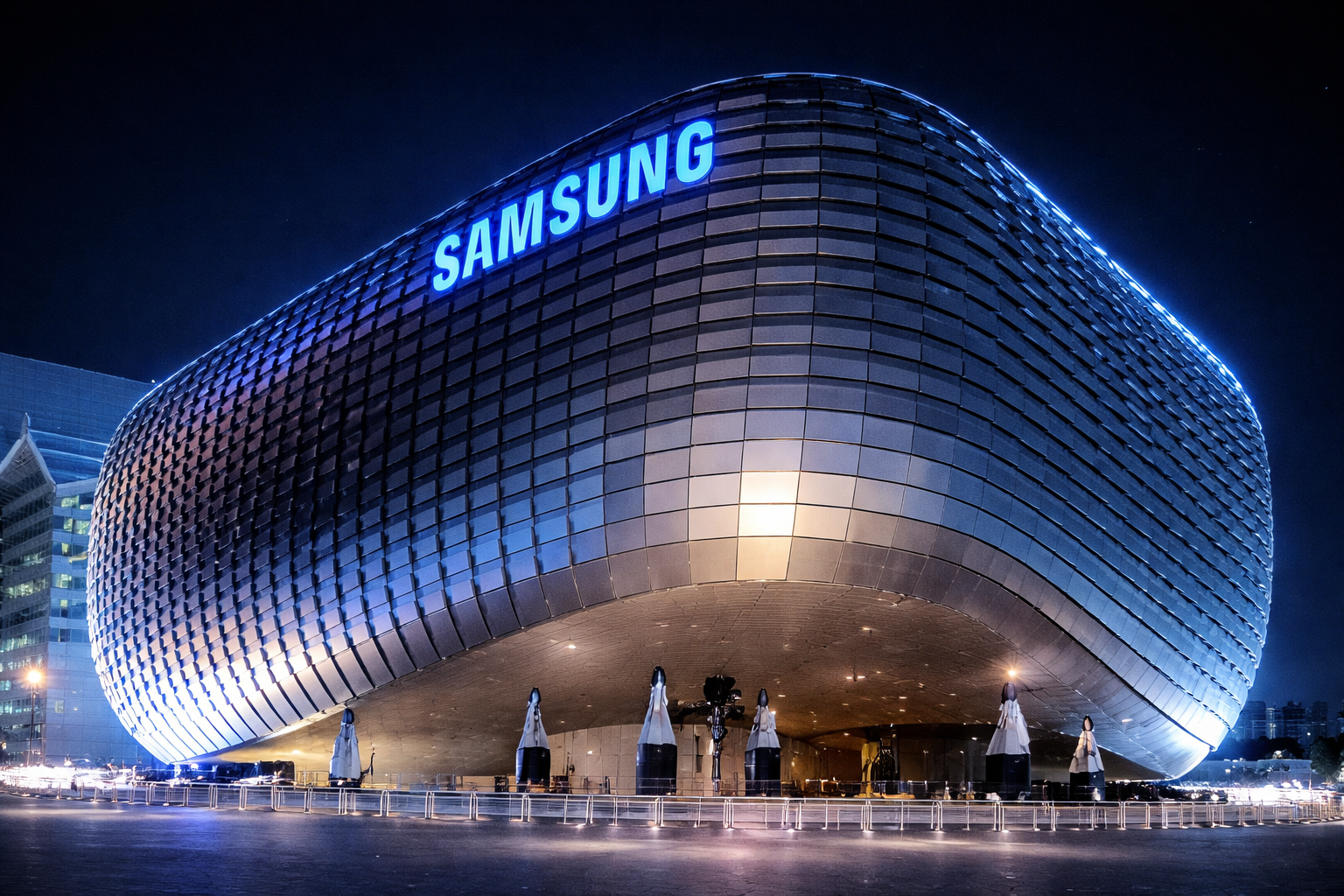
The escalating conflict involving Iran is beginning to ripple through the global technology supply chain, with Samsung Display warning that rising oil prices could significantly increase production costs. The company, a key supplier of display panels for Apple and Samsung Electronics devices, says higher crude prices are likely to push up the cost of energy and petroleum-based raw materials used in electronics manufacturing. As geopolitical tensions drive oil above critical price levels, technology companies are increasingly concerned about how energy-driven inflation could affect the cost of producing smartphones, computers, and other consumer electronics.
Oil Prices Threaten to Raise Electronics Manufacturing Costs
Samsung Display’s chief executive, Chung Yi, cautioned that the surge in oil prices linked to the Iran conflict could translate directly into higher manufacturing expenses across the electronics industry. Many materials used in display production, including specialized films and chemical compounds, are derived from petroleum-based inputs. When crude oil prices rise, these materials often become more expensive, increasing the overall cost of producing display panels used in smartphones, laptops, and other digital devices. For companies already facing tight margins and volatile component prices, the additional pressure from energy costs could significantly affect profitability.
Tech Supply Chains Already Facing Component Inflation
The potential cost surge comes at a time when the technology sector is already dealing with rising component prices. Semiconductor costs have climbed sharply in recent years as global demand for advanced chips continues to outpace supply. These higher chip prices have already contributed to rising manufacturing costs for devices ranging from smartphones to personal computers. If energy prices remain elevated, manufacturers may face a double cost shock—paying more for both critical components and the raw materials used in assembling electronics products.
Samsung Display’s Strategic Role in Global Electronics
Samsung Display occupies a critical position within the global technology supply chain as one of the leading producers of advanced display panels. The company supplies screens for Apple’s iPhones and MacBooks as well as devices manufactured by its parent company, Samsung Electronics. Because displays are among the most expensive components in modern smartphones and laptops, cost changes at the manufacturing level can have significant downstream effects on pricing across the consumer electronics market. This means rising production costs could eventually influence retail prices for millions of devices worldwide.
Industry Outlook
If the Iran conflict continues to drive volatility in energy markets, technology manufacturers may need to reconsider pricing strategies, supply contracts, and long-term sourcing arrangements. Companies could attempt to absorb some of the additional costs to maintain market competitiveness, but sustained increases in oil prices may eventually pass through to consumers. Investors and industry analysts will be closely watching energy markets, semiconductor supply conditions, and geopolitical developments to assess whether rising input costs could trigger a broader wave of price increases across the global electronics sector.
Comparison, examination, and analysis between investment houses
Leave your details, and an expert from our team will get back to you as soon as possible
* This article, in whole or in part, does not contain any promise of investment returns, nor does it constitute professional advice to make investments in any particular field.
To read more about the full disclaimer, click here
- Ronny Mor
- •
- 8 Min Read
- •
- ago 32 minutes
SKN | Semiconductor Leaders Emerge: Is Western Digital (NASDAQ: WDC) Among the Q4 Winners?
Semiconductor and data storage companies have been among the most closely watched segments of the global technology sector, with
- ago 32 minutes
- •
- 8 Min Read

Semiconductor and data storage companies have been among the most closely watched segments of the global technology sector, with

- Lior mor
- •
- 6 Min Read
- •
- ago 2 hours
SKN | Why Is Amazon’s Prime Air Leaving the Commercial Drone Alliance Over Safety Concerns?
Amazon’s drone delivery division Prime Air has withdrawn from the Commercial Drone Alliance, highlighting growing tensions within the rapidly evolving
- ago 2 hours
- •
- 6 Min Read

Amazon’s drone delivery division Prime Air has withdrawn from the Commercial Drone Alliance, highlighting growing tensions within the rapidly evolving

- orshu
- •
- 7 Min Read
- •
- ago 2 hours
SKN | Ondas Inc. (ONDS) Surges Over 6% as Revenue Growth Outlook Accelerates — Is the Market Pricing in a Technology Breakthrough?
Shares of Ondas Inc. (NASDAQ: ONDS) moved sharply higher during the March 12 trading session, rising to approximately $10.48,
- ago 2 hours
- •
- 7 Min Read

Shares of Ondas Inc. (NASDAQ: ONDS) moved sharply higher during the March 12 trading session, rising to approximately $10.48,

- omer bar
- •
- 6 Min Read
- •
- ago 5 hours
SKN | Can Rivian’s R2 SUV Challenge Tesla’s Model Y Despite Its Late Arrival?
Rivian has unveiled pricing and trim details for its upcoming R2 midsize electric SUV, positioning the vehicle as a potential
- ago 5 hours
- •
- 6 Min Read

Rivian has unveiled pricing and trim details for its upcoming R2 midsize electric SUV, positioning the vehicle as a potential

