


- sagi habasov
- •
- 6 Min Read
- •
- 6 hours ago
Key Points
- Diesel prices surge as Middle East tensions disrupt supply, raising concerns about inflation and transportation costs worldwide.
- Energy market volatility threatens industrial output and economic growth, particularly in Europe and Asia.
- Investors are closely monitoring geopolitical developments and strategic stockpile releases as potential stabilizing measures.
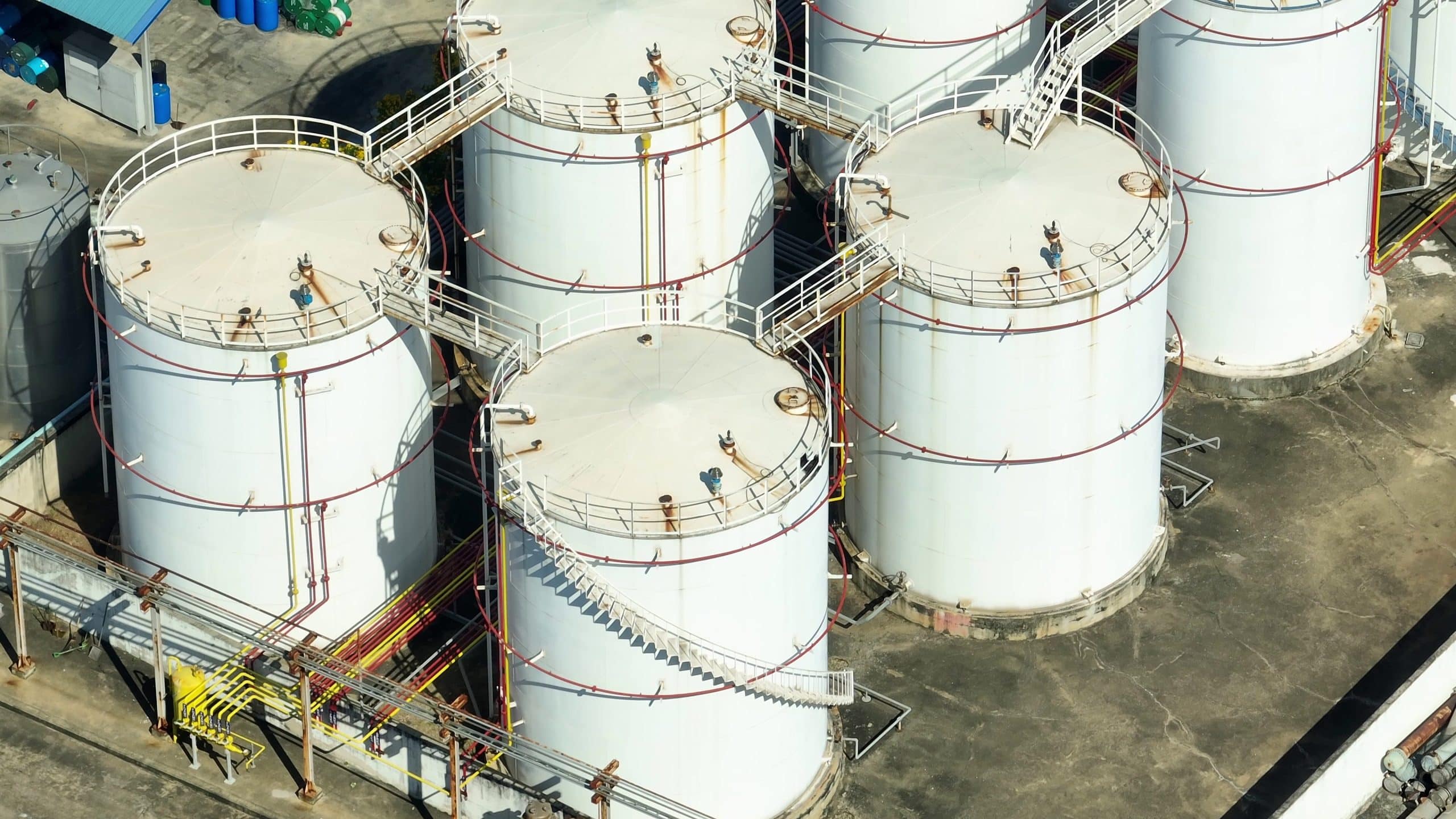
Global diesel markets are under severe pressure as escalating conflict in the Middle East disrupts key supply routes, sending fuel prices sharply higher. The surge in diesel costs is amplifying concerns about global economic growth, as transportation and industrial sectors face rising input costs. Market participants are weighing the potential for policy responses, including strategic reserve releases, to stabilize energy prices and mitigate broader economic risks.
Middle East Conflict and Supply Disruptions
The ongoing geopolitical tensions in the Middle East have directly impacted diesel supply, as key shipping lanes and refineries experience operational uncertainty. Traders report that Brent and diesel futures have climbed sharply over the past week, reflecting fears of prolonged disruptions. Analysts note that diesel, a critical input for logistics, industrial production, and agricultural transport, is particularly sensitive to regional instability. Any sustained disruption in supply could translate into higher inflationary pressures globally, as transportation costs feed into consumer prices and supply chain expenditures.
Impact on Global Industrial and Economic Activity
Rising diesel prices are expected to strain industrial output, particularly in Europe and Asia, where transportation networks heavily depend on fuel efficiency and cost predictability. Manufacturing firms and shipping companies face higher operating expenses, which could reduce profit margins or lead to increased prices for end consumers. Economists warn that the combination of energy-driven cost pressures and currency fluctuations could slow economic growth, with emerging markets being especially vulnerable due to higher import dependency. The diesel market surge underscores the broader interconnections between energy commodities, inflation expectations, and macroeconomic stability.
Market Reaction and Policy Responses
Global energy markets have responded with increased volatility, as investors assess the likelihood of intervention by governments and international agencies. Strategic petroleum reserve releases, as seen in past crises, may offer temporary relief and prevent abrupt price spikes. Central banks are also monitoring energy-driven inflation as part of monetary policy planning, with potential implications for interest rate adjustments and investor positioning. In Israel, higher diesel prices could pressure transport-dependent sectors and influence short-term inflation, while investors watch closely for signals from global policymakers and stockpile management decisions.
Looking Ahead: Navigating Energy Volatility
Moving forward, market participants will focus on the duration and severity of Middle East disruptions, along with any coordinated policy measures to stabilize diesel supply. Key indicators to watch include diesel futures trends, shipping and refinery operations, and announcements from strategic reserve authorities. Investors and corporates alike will need to manage exposure to energy-driven cost pressures and remain alert to the interplay between fuel prices, inflation, and global economic momentum. Mitigating risks in this volatile environment will depend on a combination of market awareness, policy responses, and strategic energy management.
Comparison, examination, and analysis between investment houses
Leave your details, and an expert from our team will get back to you as soon as possible
* This article, in whole or in part, does not contain any promise of investment returns, nor does it constitute professional advice to make investments in any particular field.
To read more about the full disclaimer, click here
- Ronny Mor
- •
- 7 Min Read
- •
- ago 3 hours
SKN | Why Is Gold Extending Gains Above $5,200 as Geopolitical Tensions Intensify?
Gold prices continued to advance in global markets, trading around $5,210 per ounce as investors sought safety amid rising geopolitical
- ago 3 hours
- •
- 7 Min Read

Gold prices continued to advance in global markets, trading around $5,210 per ounce as investors sought safety amid rising geopolitical

- omer bar
- •
- 7 Min Read
- •
- ago 4 hours
SKN | Why Are US Natural Gas Prices Holding Near $3 Despite Global Energy Turbulence?
U.S. natural gas prices remained under pressure this week, hovering near the $3 per MMBtu level as traders balanced domestic
- ago 4 hours
- •
- 7 Min Read

U.S. natural gas prices remained under pressure this week, hovering near the $3 per MMBtu level as traders balanced domestic

- sagi habasov
- •
- 7 Min Read
- •
- ago 8 hours
SKN | Gold Prices Climb as Strategic Oil Reserve Release Signals Effort to Calm Energy Markets
Gold prices edged higher after reports that policymakers may consider releasing oil from strategic reserves to ease a potential supply
- ago 8 hours
- •
- 7 Min Read

Gold prices edged higher after reports that policymakers may consider releasing oil from strategic reserves to ease a potential supply

- orshu
- •
- 7 Min Read
- •
- ago 13 hours
SKN | Insider Move Signals Strategy Shift? Gold.com Director Benjamin Sells $1.39 Million in Company Stock
A recent insider transaction involving Gold.com director Benjamin has drawn attention from investors after regulatory filings revealed the sale
- ago 13 hours
- •
- 7 Min Read

A recent insider transaction involving Gold.com director Benjamin has drawn attention from investors after regulatory filings revealed the sale

