


- Lior mor
- •
- 7 Min Read
- •
- 2 hours ago
Key Points
- Global copper markets are facing growing supply pressures due to mine disruptions and rising geopolitical tensions.
- Analysts forecast a refined copper deficit of roughly 600,000 kilotons in 2026 as demand continues to accelerate.
- Tariff risks and long-term supply constraints could intensify shortages over the next decade.
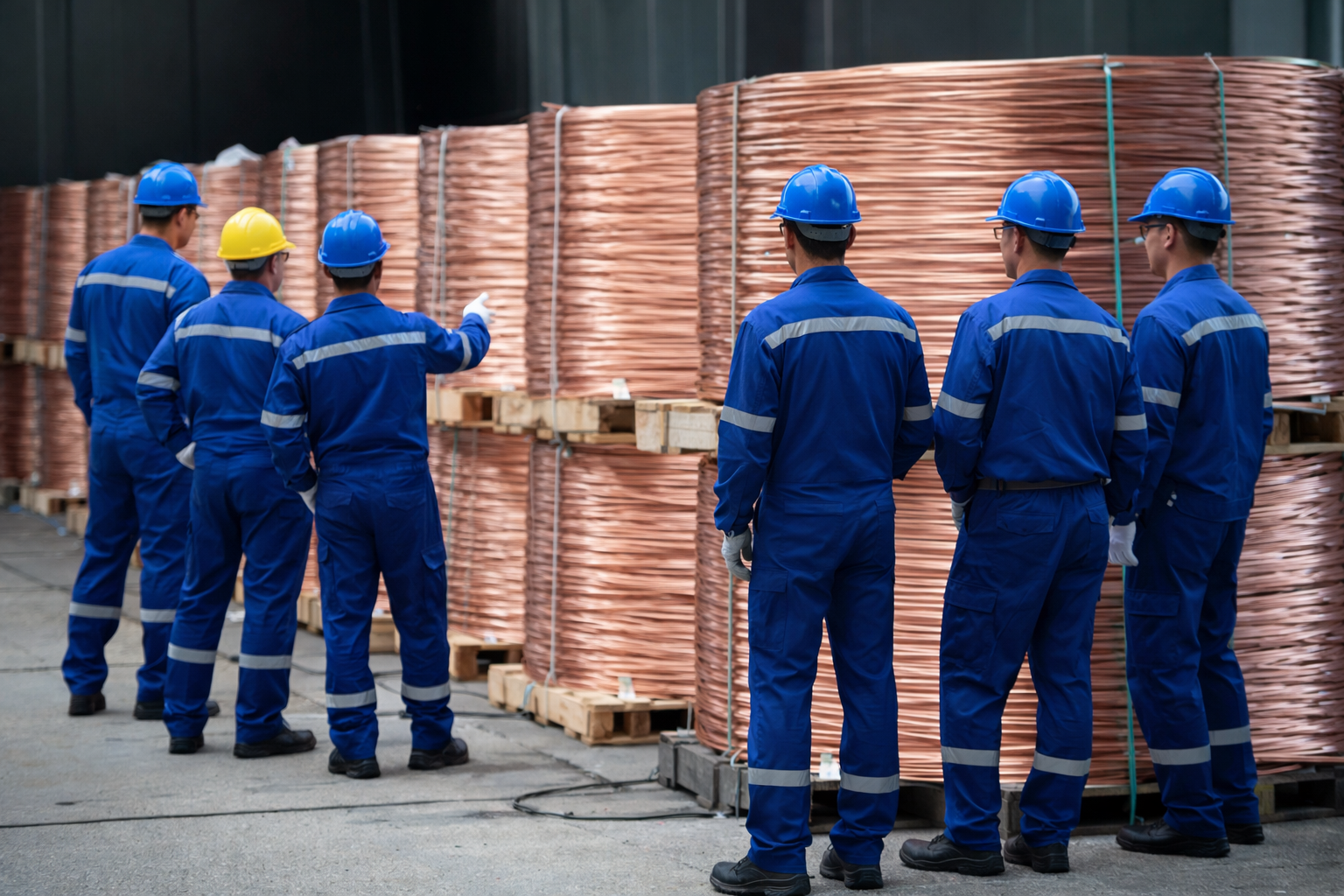
Copper markets are entering a period of increasing strain as structural supply challenges collide with rapidly rising demand from energy transition technologies and industrial expansion. Analysts warn that the global copper market could face a significant deficit over the coming years, driven by disruptions in mining operations and growing geopolitical tensions affecting trade flows. The metal, often viewed as a barometer for global economic activity, is essential for infrastructure, renewable energy systems, and electric vehicles. As demand accelerates and new supply struggles to keep pace, investors are increasingly focusing on the possibility of a prolonged tightening cycle in the copper market.
Structural Supply Constraints Are Emerging
Commodity analysts are warning that copper supply growth is failing to match the pace of rising global demand. Forecasts suggest that refined copper markets could face a deficit of approximately 600,000 kilotons in 2026, extending a tightening trend already visible in recent years.
Mining disruptions are playing a major role in constraining supply. Operational challenges, labor disputes, environmental regulations, and declining ore grades at existing mines have reduced production capacity in several key producing regions. Because new mining projects often take a decade or more to move from exploration to full production, the industry faces significant limitations in rapidly increasing output.
These structural issues mean that even modest disruptions can significantly affect global supply balances. As inventories tighten, price volatility may become more pronounced, particularly during periods of strong industrial demand.
Tariff Risks Add Geopolitical Pressure
Trade policy uncertainties are also emerging as an additional risk for copper markets. Tariff concerns and shifting geopolitical alliances are beginning to influence supply chains and investment decisions across the mining sector.
Commodity specialists note that protectionist trade policies can distort global flows of raw materials, potentially limiting the availability of refined copper in certain regions. Tariffs or trade restrictions may also increase production costs, placing additional upward pressure on prices.
These geopolitical developments are occurring at a time when governments worldwide are competing to secure critical minerals necessary for energy transition technologies. Copper plays a central role in renewable power grids, electric vehicles, battery systems, and data center infrastructure.
As countries seek to protect strategic resources, competition for access to copper supplies could intensify, potentially reshaping global commodity trade patterns.
Energy Transition Demand Accelerates Market Tightness
Longer-term demand trends suggest that copper consumption will continue expanding rapidly. Electrification initiatives and decarbonization policies are significantly increasing the metal’s importance in modern infrastructure.
Electric vehicles require substantially more copper than traditional combustion engine vehicles, while renewable energy installations rely heavily on copper wiring and grid connectivity. In addition, rapid growth in artificial intelligence and data center infrastructure is adding another layer of demand for high-performance electrical components.
These trends suggest that copper demand could remain structurally strong for decades. However, supply expansion remains constrained by long development timelines, regulatory complexity, and capital requirements.
Looking ahead, many analysts expect copper markets to remain tight over the next decade, with shortages potentially emerging as early as the mid-2020s. For investors and policymakers alike, the evolving balance between supply disruptions, geopolitical risks, and accelerating electrification will be critical in shaping the future of one of the world’s most strategically important industrial metals.
Comparison, examination, and analysis between investment houses
Leave your details, and an expert from our team will get back to you as soon as possible
* This article, in whole or in part, does not contain any promise of investment returns, nor does it constitute professional advice to make investments in any particular field.
To read more about the full disclaimer, click here
- Lior mor
- •
- 7 Min Read
- •
- ago 7 hours
SKN | Oil Slides After Trump Signals Iran War May End Soon — Is the Energy Rally Losing Momentum?
Oil prices fell sharply after President Donald Trump signaled that the conflict with Iran could be nearing its end, easing
- ago 7 hours
- •
- 7 Min Read
Oil prices fell sharply after President Donald Trump signaled that the conflict with Iran could be nearing its end, easing

- sagi habasov
- •
- 7 Min Read
- •
- ago 12 hours
SKN | Oil Prices Plunge Over 6% After Trump Signals Possible Middle East De-Escalation
Oil prices fell sharply on Tuesday, sliding more than 6% as markets reacted to comments by former U.S. President Donald
- ago 12 hours
- •
- 7 Min Read
Oil prices fell sharply on Tuesday, sliding more than 6% as markets reacted to comments by former U.S. President Donald
- Lior mor
- •
- 7 Min Read
- •
- ago 14 hours
SKN | Are Corn, Soybeans, and Wheat Becoming the ‘Next Silver’ for Commodity Traders?
Agricultural commodities are attracting renewed attention from traders as grain futures rally to multi-month highs, prompting comparisons to the powerful
- ago 14 hours
- •
- 7 Min Read

Agricultural commodities are attracting renewed attention from traders as grain futures rally to multi-month highs, prompting comparisons to the powerful

- orshu
- •
- 7 Min Read
- •
- ago 15 hours
SKN | Gold Prices Slip Slightly as Volatility Sweeps Oil and Equity Markets on Turbulent Monday
Global financial markets experienced sharp volatility on Monday as dramatic price swings in oil and equities rippled across asset
- ago 15 hours
- •
- 7 Min Read

Global financial markets experienced sharp volatility on Monday as dramatic price swings in oil and equities rippled across asset

