


- Ronny Mor
- •
- 7 Min Read
- •
- 4 hours ago
Key Points
- Qantas announced fare increases on international routes as jet fuel prices surge due to the Middle East conflict.
- Airspace closures and supply disruptions are pushing up operating costs and tightening global airline capacity.
- Despite higher fares, demand for flights to Europe remains strong, with load factors exceeding 90%.
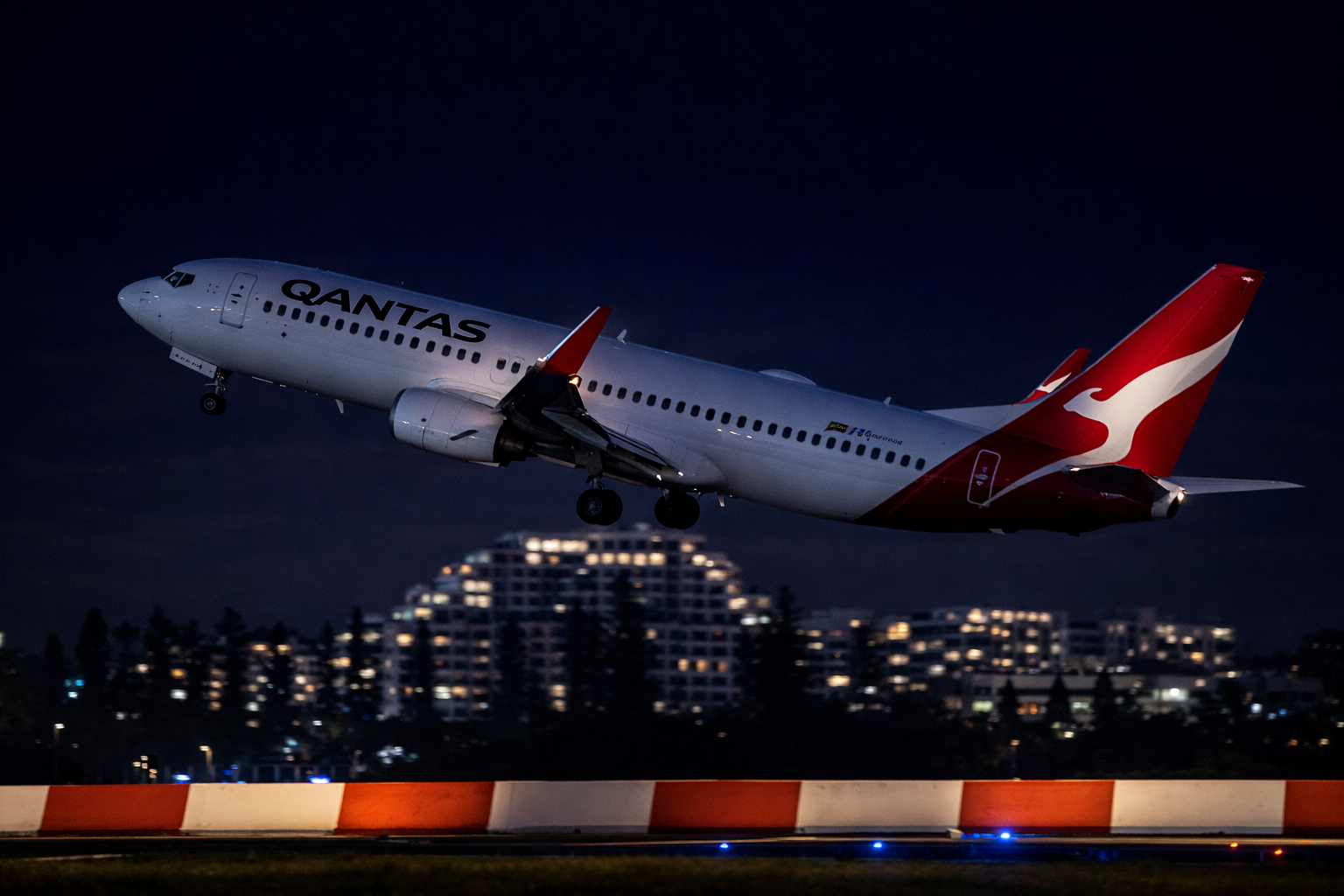
Airlines are beginning to pass rising fuel costs onto passengers as the conflict in the Middle East drives a sharp surge in global oil prices. Qantas Airways announced that it will increase fares on its international routes this week as jet fuel costs climb amid the ongoing geopolitical crisis. The move reflects growing pressure across the aviation sector, where higher energy prices and airspace disruptions are forcing carriers to reassess pricing strategies and operational capacity. As the conflict continues to reshape global travel routes and fuel markets, airlines are bracing for a period of sustained cost volatility.
Fuel Price Surge Pressures Airline Economics
Jet fuel is one of the largest operating expenses for airlines, often accounting for as much as a third of total costs. The recent spike in oil prices tied to the Middle East conflict has significantly increased the financial burden for carriers worldwide.
The surge in crude prices has been fueled by fears of disruptions to energy supply routes, particularly around the Strait of Hormuz, a key transit corridor for global oil shipments. As jet fuel prices rise in tandem with crude oil, airlines face immediate cost pressures that can rapidly erode profit margins.
For Qantas, raising ticket prices on international routes is a direct response to these higher operating costs. The airline indicated that the fare adjustments would take effect this week, reflecting the speed at which energy market volatility is affecting airline pricing decisions.
Airspace Closures Drive Capacity Constraints
Beyond fuel costs, airlines are also contending with operational challenges tied to the conflict. Airspace restrictions across parts of the Middle East have forced carriers to reroute flights, often extending travel times and increasing fuel consumption.
These changes have contributed to capacity constraints on major long-haul routes, particularly between Asia and Europe. As airlines adjust flight paths to avoid conflict zones, the number of available seats on certain routes has declined, pushing fares higher across the market.
Air New Zealand also announced broad fare increases earlier in the day, becoming one of the first airlines to raise ticket prices following the outbreak of the conflict. The coordinated response across airlines highlights how geopolitical shocks can quickly ripple through global travel networks.
Strong Demand Offsets Some Industry Concerns
Despite rising ticket prices and operational challenges, demand for long-haul travel appears resilient. Qantas reported that its flights to Europe were operating at more than 90% capacity in March, roughly 15 percentage points above typical levels for this time of year.
Travelers are also adjusting their routes to navigate airspace disruptions. Many passengers are now flying to Europe via the United States, Asian hubs, or Johannesburg through Qantas’ partner airline network.
The airline said it is exploring options to redeploy additional capacity toward European destinations in the coming months to accommodate strong demand. Expanding capacity could help offset the impact of rerouted flights and rising travel costs.
Looking ahead, the airline industry’s outlook will remain closely tied to developments in global energy markets and the trajectory of the Middle East conflict. If oil prices remain elevated, carriers may continue raising fares to protect margins. However, strong travel demand and strategic route adjustments could help airlines manage the financial impact of higher fuel costs while maintaining operational stability.
Comparison, examination, and analysis between investment houses
Leave your details, and an expert from our team will get back to you as soon as possible
* This article, in whole or in part, does not contain any promise of investment returns, nor does it constitute professional advice to make investments in any particular field.
To read more about the full disclaimer, click here
- orshu
- •
- 5 Min Read
- •
- ago 23 minutes
SKN | BioNTech’s Founding Duo to Launch New mRNA Venture — A New Chapter for the Post-Pandemic Biotech Race
Leadership changes at one of the world’s most prominent biotechnology companies are drawing attention across global markets. Two early
- ago 23 minutes
- •
- 5 Min Read

Leadership changes at one of the world’s most prominent biotechnology companies are drawing attention across global markets. Two early

- Ronny Mor
- •
- 6 Min Read
- •
- ago 1 hour
SKN | Trump Signals Iran War Could End ‘Soon,’ Cooling Global Oil Shock Fears
Global energy markets reacted cautiously after former U.S. President Donald Trump indicated that the ongoing conflict involving Iran could
- ago 1 hour
- •
- 6 Min Read
Global energy markets reacted cautiously after former U.S. President Donald Trump indicated that the ongoing conflict involving Iran could

- omer bar
- •
- 5 Min Read
- •
- ago 2 hours
SKN | Board Games Firm to Debut on Britain’s Private Stock Market in Unusual Listing
A British board games manufacturer is preparing to become the first company listed on the United Kingdom’s newly developed
- ago 2 hours
- •
- 5 Min Read

A British board games manufacturer is preparing to become the first company listed on the United Kingdom’s newly developed
- orshu
- •
- 6 Min Read
- •
- ago 5 hours
SKN | Israeli Markets Open Higher as TA-35 Leads Gains Across Equities
The Israeli equity markets opened with a positive tone, with the TA-35 index rising to 4,258.18 points, up 0.74%, supported
- ago 5 hours
- •
- 6 Min Read
The Israeli equity markets opened with a positive tone, with the TA-35 index rising to 4,258.18 points, up 0.74%, supported

