


- sagi habasov
- •
- 7 Min Read
- •
- 27 minutes ago
Key Points
- Crude oil prices dropped more than 6% after former U.S. President Donald Trump suggested tensions in the Middle East could ease.
- The sharp decline reflects how quickly geopolitical risk premiums can evaporate from energy markets.
- Investors are reassessing supply risks in the region, a key hub for global crude exports.
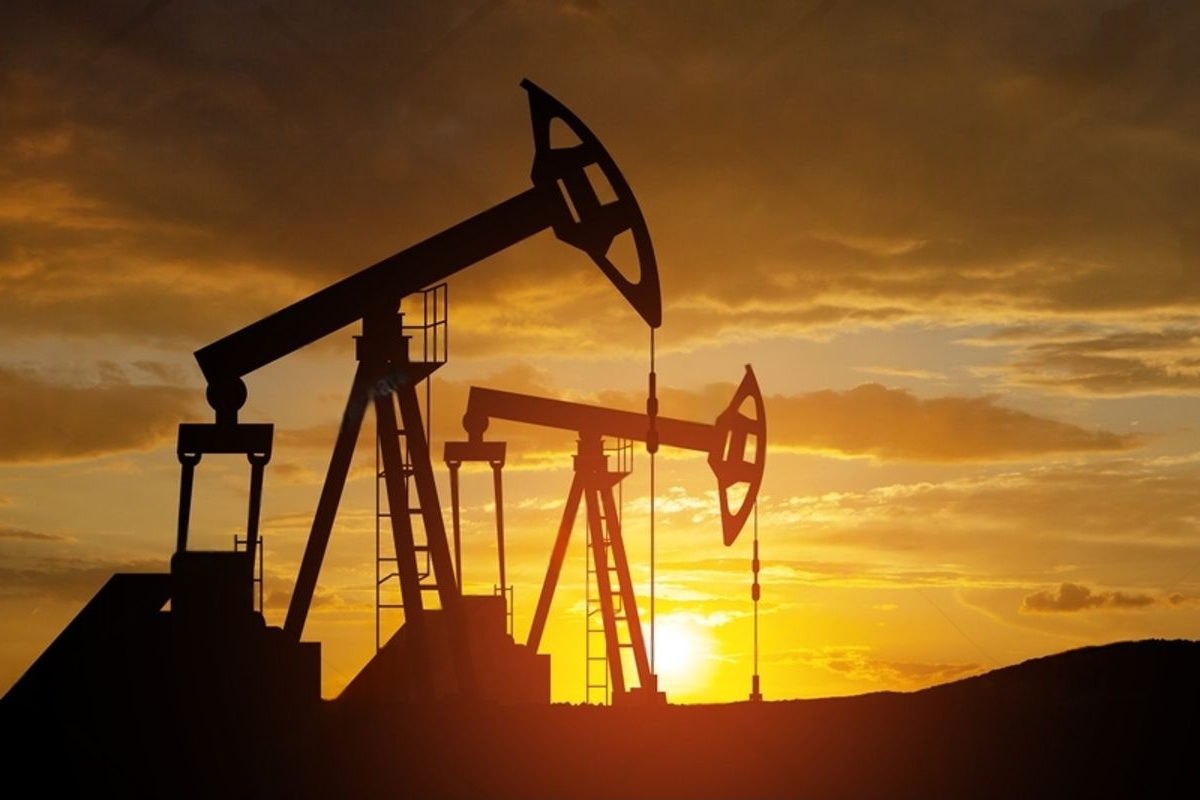
Oil prices fell sharply on Tuesday, sliding more than 6% as markets reacted to comments by former U.S. President Donald Trump suggesting that tensions in the Middle East could move toward de-escalation. The drop erased part of the geopolitical risk premium that had recently supported energy prices, highlighting how sensitive global oil markets remain to political signals from the region.
Geopolitical Signals Trigger Rapid Oil Selloff
Crude benchmarks experienced a swift decline after Trump indicated that diplomatic developments could reduce tensions in the Middle East. Brent crude and West Texas Intermediate (WTI), the two global benchmark contracts, both moved sharply lower during trading, with prices falling by more than 6% intraday. The decline reflected a rapid reassessment by traders who had previously priced in the possibility of supply disruptions from one of the world’s most strategically important energy-producing regions.
Geopolitical risk plays a central role in oil pricing, particularly when developments involve the Middle East, which accounts for roughly one-third of global crude production and a large share of export capacity. Any indication that military escalation may be avoided tends to remove the so-called “risk premium” embedded in futures contracts. In this case, traders quickly adjusted positions as the probability of immediate supply disruptions appeared to decline.
Energy Markets React to Changing Risk Premium
The sharp move underscores the fragile balance between supply concerns and broader macroeconomic forces influencing energy markets. Over recent weeks, oil prices had been supported by fears of potential disruptions to shipping routes and production infrastructure across the region. However, once those fears began to ease, traders unwound speculative positions that had been built around geopolitical uncertainty.
Financial markets often respond to political statements even before concrete policy changes occur. Futures markets, which reflect expectations about future supply and demand, can react within minutes to headlines that alter perceptions of risk. As a result, oil prices frequently experience heightened volatility when geopolitical developments intersect with already tight global supply conditions.
At the same time, broader macroeconomic dynamics continue to influence the outlook for energy demand. Slowing economic growth in some major economies and expectations for global interest rate policy remain important variables for oil traders. These factors can amplify price swings when geopolitical narratives shift.
Global Economic and Strategic Implications
For energy-importing economies, a decline in oil prices can offer short-term relief from inflationary pressure. Lower crude prices typically feed into reduced fuel and transportation costs, which can influence broader consumer price trends. In Israel and other import-dependent economies, energy price fluctuations can directly affect inflation expectations and fiscal planning.
From a strategic perspective, the rapid decline in prices also demonstrates how geopolitical narratives shape investor sentiment in commodities markets. Institutional investors and commodity funds frequently adjust exposure based on perceived geopolitical risk, creating powerful price movements even when physical supply conditions remain unchanged.
The energy market will likely remain highly sensitive to political developments in the Middle East. Even modest signals of escalation or de-escalation can lead to large price adjustments as traders reassess supply risk in real time.
Looking ahead, investors will closely monitor diplomatic developments, production data from major oil-exporting countries, and signals from global energy demand. While geopolitical tensions may temporarily ease, the structural importance of the Middle East to global oil supply means that energy markets are likely to remain volatile, with geopolitical risk continuing to influence price dynamics in the months ahead.
Comparison, examination, and analysis between investment houses
Leave your details, and an expert from our team will get back to you as soon as possible
* This article, in whole or in part, does not contain any promise of investment returns, nor does it constitute professional advice to make investments in any particular field.
To read more about the full disclaimer, click here
- Lior mor
- •
- 7 Min Read
- •
- ago 2 hours
SKN | Are Corn, Soybeans, and Wheat Becoming the ‘Next Silver’ for Commodity Traders?
Agricultural commodities are attracting renewed attention from traders as grain futures rally to multi-month highs, prompting comparisons to the powerful
- ago 2 hours
- •
- 7 Min Read

Agricultural commodities are attracting renewed attention from traders as grain futures rally to multi-month highs, prompting comparisons to the powerful

- orshu
- •
- 7 Min Read
- •
- ago 4 hours
SKN | Gold Prices Slip Slightly as Volatility Sweeps Oil and Equity Markets on Turbulent Monday
Global financial markets experienced sharp volatility on Monday as dramatic price swings in oil and equities rippled across asset
- ago 4 hours
- •
- 7 Min Read

Global financial markets experienced sharp volatility on Monday as dramatic price swings in oil and equities rippled across asset

- omer bar
- •
- 6 Min Read
- •
- ago 9 hours
SKN | Why Are US Natural Gas Prices Falling Even as Global LNG Markets Face Supply Shocks?
U.S. natural gas prices moved lower at the start of the week, highlighting a growing divergence between domestic gas markets
- ago 9 hours
- •
- 6 Min Read
U.S. natural gas prices moved lower at the start of the week, highlighting a growing divergence between domestic gas markets
- Lior mor
- •
- 7 Min Read
- •
- ago 14 hours
SKN | Are Food Prices About to Surge? War Disruptions Send Wheat, Palm Oil, and Corn Markets Higher
Global agricultural markets are experiencing a sharp rally as escalating geopolitical tensions in the Middle East disrupt energy markets, fertilizer
- ago 14 hours
- •
- 7 Min Read

Global agricultural markets are experiencing a sharp rally as escalating geopolitical tensions in the Middle East disrupt energy markets, fertilizer

