


- omer bar
- •
- 6 Min Read
- •
- 37 minutes ago
Key Points
- U.S. natural gas futures slipped to around $3.12 per MMBtu as rising domestic production and weaker LNG exports weighed on prices.
- Gas flows to U.S. LNG export terminals declined in March following a disruption at the Freeport LNG facility in Texas.
- War-driven supply disruptions abroad are pushing global gas prices higher, but strong U.S. production is limiting domestic price gains.
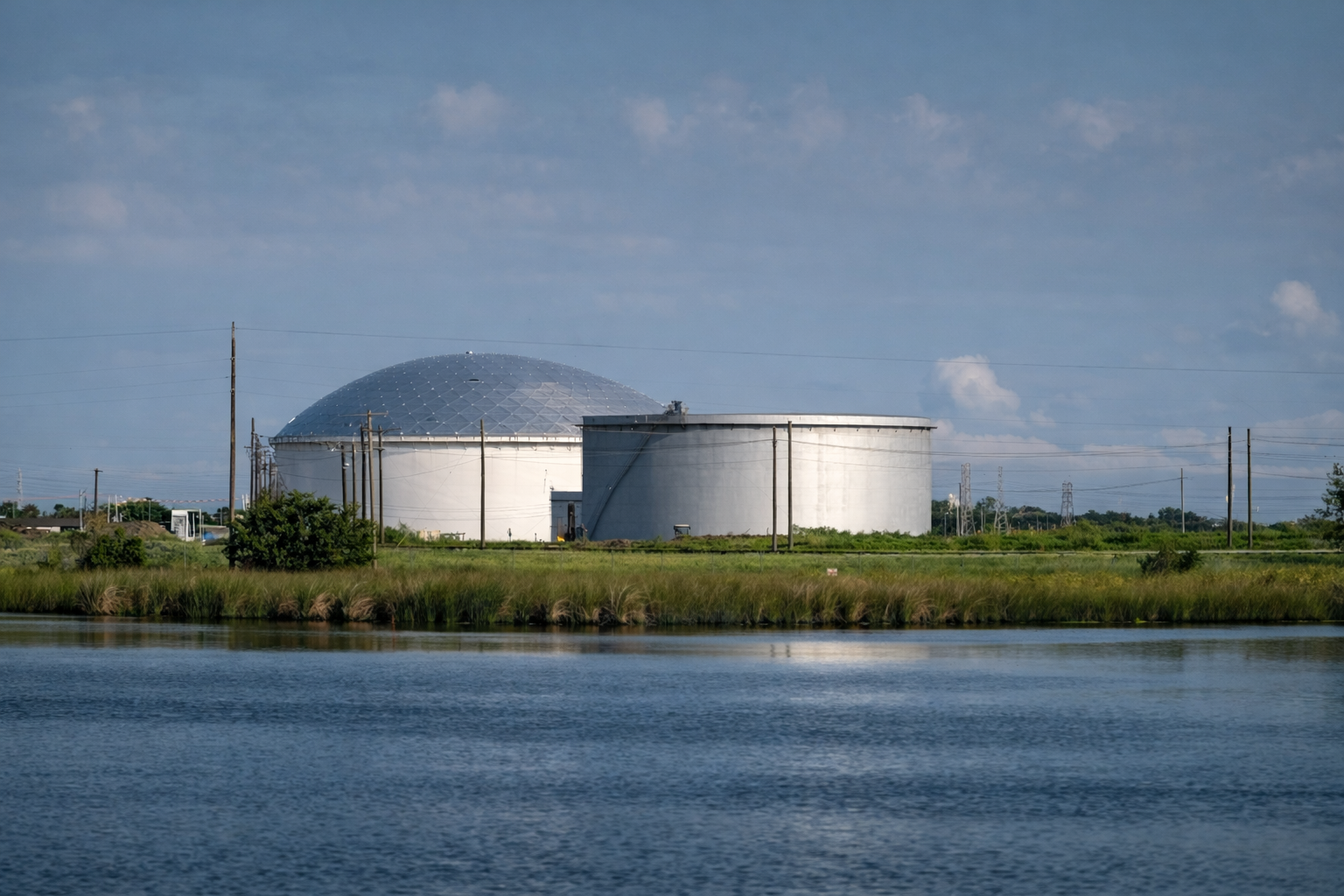
U.S. natural gas prices moved lower at the start of the week, highlighting a growing divergence between domestic gas markets and the increasingly volatile global energy landscape. Futures dropped toward $3.12 per MMBtu as traders weighed rising production levels, weaker export flows, and softer seasonal demand. The decline comes even as global liquefied natural gas markets face major disruptions tied to geopolitical tensions in the Middle East, underscoring the relative insulation of the U.S. gas market thanks to its vast domestic supply base.
Rising Domestic Production Pressures Prices
One of the main forces driving the decline in U.S. natural gas prices is the steady expansion of domestic production. Output in the Lower 48 states has climbed to roughly 110 billion cubic feet per day so far in March, reinforcing the United States’ position as the world’s largest natural gas producer.
This surge in supply has created a buffer against global shocks that might otherwise push prices higher. While international markets are grappling with tighter supplies, U.S. production levels remain high enough to comfortably meet domestic demand.
As a result, price movements in the U.S. market continue to be driven primarily by internal supply and demand dynamics rather than geopolitical disruptions affecting global energy flows.
Export Slowdown Adds to Market Softness
Another key factor behind the recent price decline is a temporary reduction in LNG export activity. Gas flows to the nine major U.S. liquefied natural gas export terminals have averaged approximately 18.1 billion cubic feet per day so far in March, down from a record 18.7 billion cubic feet per day in February.
Part of the decline stems from operational issues at the Freeport LNG facility in Texas, where a feedgas disruption temporarily reduced export capacity. Because LNG exports have become a critical outlet for U.S. natural gas, even small interruptions can influence domestic pricing.
The slowdown in export demand comes at a time when U.S. LNG infrastructure is already operating near capacity. With limited ability to rapidly increase export volumes, surplus supply remains within the domestic market, adding downward pressure on prices.
Weather Outlook Reduces Near-Term Demand
Weather conditions are also playing a role in shaping natural gas demand. Forecasts calling for warmer-than-normal temperatures across much of the United States through late March are reducing heating demand during what is typically a key consumption period.
Lower residential and commercial demand for heating fuels means less natural gas is being withdrawn from storage, further contributing to a well-supplied market environment.
Despite the recent decline, the broader natural gas market remains sensitive to changes in global supply conditions. The halt of LNG production by QatarEnergy amid regional tensions has removed a significant portion of global LNG supply, pushing international gas prices higher.
However, because U.S. production remains strong and export capacity is constrained, domestic prices have risen far less dramatically than those in international markets. Looking ahead, traders will be closely watching production trends, export activity, and seasonal weather patterns to determine whether U.S. natural gas prices remain subdued or begin to track global energy market volatility more closely.
Comparison, examination, and analysis between investment houses
Leave your details, and an expert from our team will get back to you as soon as possible
* This article, in whole or in part, does not contain any promise of investment returns, nor does it constitute professional advice to make investments in any particular field.
To read more about the full disclaimer, click here
- Lior mor
- •
- 7 Min Read
- •
- ago 6 hours
SKN | Are Food Prices About to Surge? War Disruptions Send Wheat, Palm Oil, and Corn Markets Higher
Global agricultural markets are experiencing a sharp rally as escalating geopolitical tensions in the Middle East disrupt energy markets, fertilizer
- ago 6 hours
- •
- 7 Min Read

Global agricultural markets are experiencing a sharp rally as escalating geopolitical tensions in the Middle East disrupt energy markets, fertilizer

- sagi habasov
- •
- 5 Min Read
- •
- ago 15 hours
SKN | How $100 Oil Could Directly Impact Your Wallet and Household Budget
As oil prices approach $100 per barrel, consumers and businesses worldwide are bracing for tangible economic effects. Beyond fueling cars,
- ago 15 hours
- •
- 5 Min Read

As oil prices approach $100 per barrel, consumers and businesses worldwide are bracing for tangible economic effects. Beyond fueling cars,
- Lior mor
- •
- 5 Min Read
- •
- ago 15 hours
SKN | Gold Dips as Soaring Oil Prices Raise Fears of Higher Interest Rates
Gold prices retreated on Monday as oil markets surged, fueling concerns that higher energy costs could accelerate inflation and force
- ago 15 hours
- •
- 5 Min Read

Gold prices retreated on Monday as oil markets surged, fueling concerns that higher energy costs could accelerate inflation and force

- Ronny Mor
- •
- 8 Min Read
- •
- ago 16 hours
SKN | Could a Prolonged Conflict with Iran Send Global Gas Prices Soaring?
Escalating geopolitical tensions in the Middle East have once again placed global energy markets on alert. While oil prices typically
- ago 16 hours
- •
- 8 Min Read

Escalating geopolitical tensions in the Middle East have once again placed global energy markets on alert. While oil prices typically

