


- Ronny Mor
- •
- 8 Min Read
- •
- 43 minutes ago
Key Points
- A prolonged military confrontation with Iran could significantly disrupt global energy supply routes, particularly through the Strait of Hormuz.
- Natural gas and liquefied natural gas markets may experience sharp price volatility as supply security becomes a central concern.
- Energy-importing economies, including parts of Europe and Asia, could face rising costs and inflationary pressure if disruptions persist.
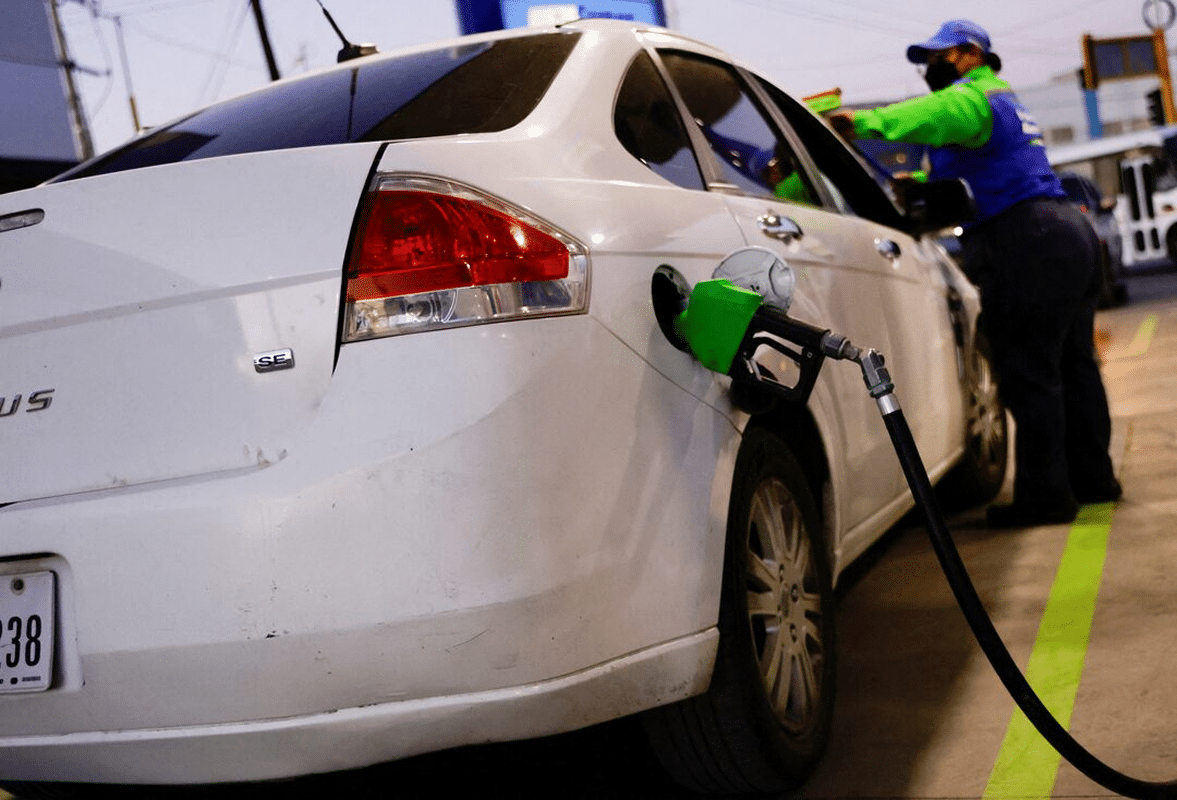
Escalating geopolitical tensions in the Middle East have once again placed global energy markets on alert. While oil prices typically respond immediately to conflict risks in the region, a prolonged military confrontation involving Iran could also have substantial implications for global natural gas markets. Investors are closely monitoring the situation as the Middle East plays a critical role in both pipeline gas and liquefied natural gas supply chains that serve Europe, Asia, and beyond.
The Strategic Role of Iran in Global Energy Flows
Iran sits at the heart of one of the world’s most important energy corridors. The Strait of Hormuz, a narrow waterway connecting the Persian Gulf to international markets, handles roughly 20 percent of global oil shipments and a significant portion of liquefied natural gas exports, particularly from Qatar. Although Iran itself is not among the largest LNG exporters due to sanctions and infrastructure limitations, its geographic position gives it strategic leverage over regional shipping routes.
In a scenario where hostilities escalate or maritime security deteriorates, shipping through the Strait could face disruptions, delays, or higher insurance costs. Even the perception of risk can move markets. Historically, geopolitical tensions in the region have triggered spikes in energy prices as traders price in potential supply disruptions.
For natural gas markets, the impact could be indirect but still substantial. If LNG shipments from the Gulf encounter delays or rerouting, Asian and European importers could face tighter supply conditions, especially during periods of high seasonal demand.
Gas Markets Already Sensitive to Supply Risks
Global natural gas markets remain structurally sensitive following several years of supply shocks. Europe, in particular, has reshaped its gas supply chain after reducing reliance on Russian pipeline gas, turning increasingly toward LNG imports from the United States, Qatar, and other suppliers.
An extended conflict affecting the Gulf region could therefore create ripple effects. LNG cargoes might be diverted toward higher-paying markets, pushing benchmark prices upward. In previous geopolitical disruptions, spot LNG prices in Asia and Europe have surged rapidly as buyers competed for available shipments.
In addition, energy traders closely watch shipping costs, insurance premiums, and transit risks. If vessels traveling through the Strait of Hormuz face heightened security concerns, transport costs could increase, further tightening global gas markets.
Potential Economic Impact Beyond Energy Markets
Rising natural gas prices would not only affect energy companies but also broader economic sectors. Gas remains a key input for electricity generation, industrial manufacturing, and fertilizer production. Higher prices could translate into increased energy bills for households and businesses.
Inflationary pressure may also reemerge in regions that had begun to see energy costs stabilize. Central banks in Europe and Asia could face renewed challenges if energy-driven inflation complicates efforts to balance economic growth with monetary tightening.
For Israel, the situation carries both risks and potential strategic implications. The country has expanded its role as a regional gas exporter through offshore fields in the Mediterranean, supplying neighboring markets including Egypt and Jordan. While regional instability could raise energy prices globally, it may also highlight the strategic importance of alternative gas supply routes in the Eastern Mediterranean.
What Energy Markets Will Be Watching Next
The trajectory of global gas prices will depend largely on whether tensions escalate into a prolonged conflict that threatens shipping lanes or energy infrastructure. Investors will closely monitor maritime security developments in the Strait of Hormuz, LNG shipping patterns, and diplomatic efforts aimed at stabilizing the region.
Energy markets are particularly sensitive to uncertainty, and even limited disruptions could trigger price volatility in already tight gas markets. At the same time, alternative supply routes, expanding LNG production, and strategic reserves may help cushion the impact if disruptions remain temporary. For global investors, the intersection of geopolitics and energy supply will remain a critical factor shaping commodity markets in the months ahead.
Comparison, examination, and analysis between investment houses
Leave your details, and an expert from our team will get back to you as soon as possible
* This article, in whole or in part, does not contain any promise of investment returns, nor does it constitute professional advice to make investments in any particular field.
To read more about the full disclaimer, click here
- Lior mor
- •
- 5 Min Read
- •
- ago 2 minutes
SKN | Gold Dips as Soaring Oil Prices Raise Fears of Higher Interest Rates
Gold prices retreated on Monday as oil markets surged, fueling concerns that higher energy costs could accelerate inflation and force
- ago 2 minutes
- •
- 5 Min Read

Gold prices retreated on Monday as oil markets surged, fueling concerns that higher energy costs could accelerate inflation and force
- Lior mor
- •
- 7 Min Read
- •
- ago 11 hours
SKN | Is $100 Oil Next? Crude Surges Above $90 as Middle East Conflict Threatens Global Supply
Crude oil prices jumped sharply this week, pushing above $90 per barrel and reaching their highest levels since August 2022
- ago 11 hours
- •
- 7 Min Read
Crude oil prices jumped sharply this week, pushing above $90 per barrel and reaching their highest levels since August 2022

- omer bar
- •
- 7 Min Read
- •
- ago 2 days
SKN | Could the Iran Conflict Trigger an Aluminum Supply Shock for U.S. Manufacturers?
The escalating conflict involving Iran is beginning to ripple through global metals markets, forcing U.S. aluminum buyers to urgently seek
- ago 2 days
- •
- 7 Min Read

The escalating conflict involving Iran is beginning to ripple through global metals markets, forcing U.S. aluminum buyers to urgently seek

- sagi habasov
- •
- 7 Min Read
- •
- ago 2 days
SKN | U.S. Crude Surges Nearly 10% as Global Buyers Rush for Barrels, Narrowing the Gap With Brent
Prices for U.S. crude oil surged nearly 10% in recent trading, rapidly closing the price gap with Brent crude,
- ago 2 days
- •
- 7 Min Read
Prices for U.S. crude oil surged nearly 10% in recent trading, rapidly closing the price gap with Brent crude,

