


- Lior mor
- •
- 7 Min Read
- •
- 57 seconds ago
Key Points
- Airline stocks have entered a bear market as surging oil prices threaten industry profitability.
- Jet fuel costs, which can represent up to 30% of airline expenses, are rising sharply due to the Middle East conflict.
- Analysts warn prolonged high fuel prices could significantly impact earnings and travel demand.
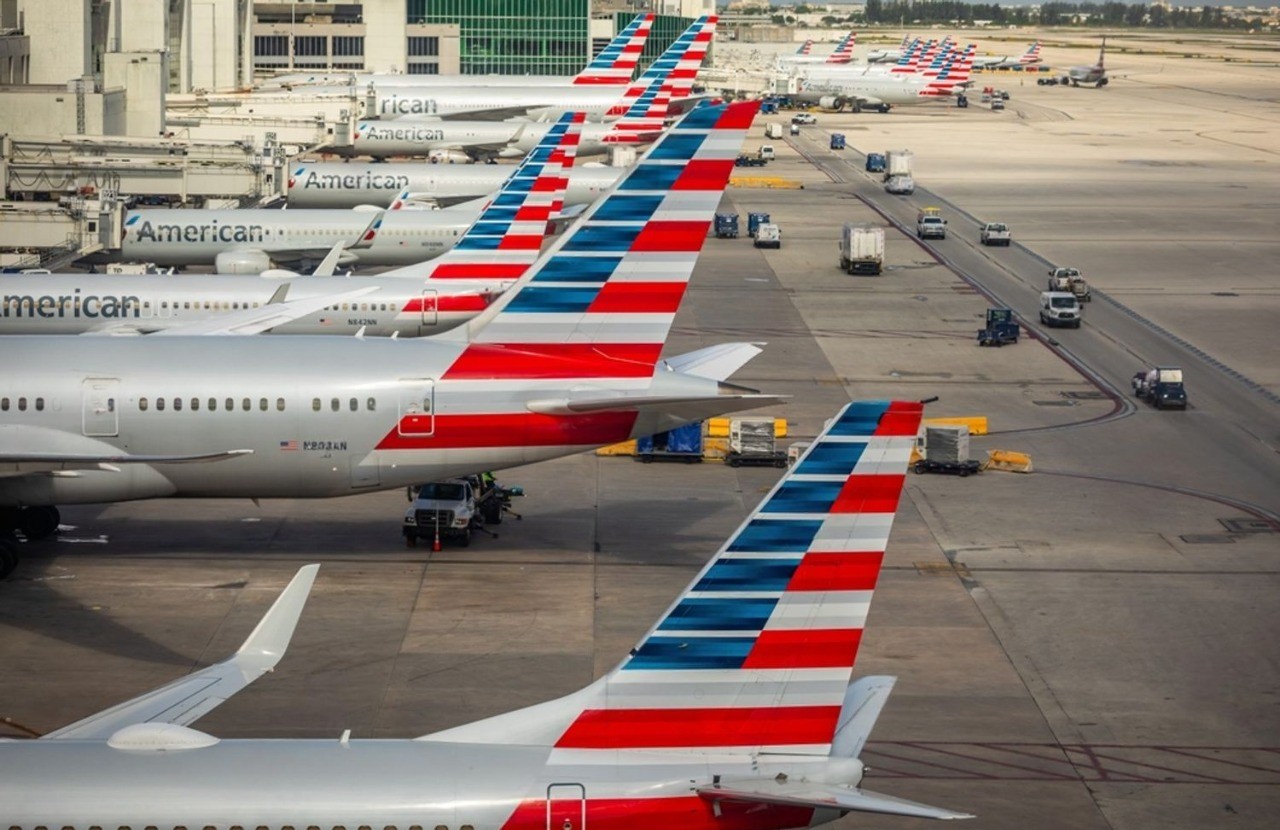
U.S. airline stocks have officially slipped into bear market territory as escalating geopolitical tensions in the Middle East drive oil prices sharply higher, raising concerns about profitability across the aviation industry. The S&P Supercomposite Airlines Industry Index fell more than 4% in the latest trading session and is now down over 22% from its recent multi-year high reached just weeks ago. For investors and airline executives alike, the selloff reflects mounting anxiety that a prolonged spike in fuel costs could significantly erode margins and disrupt earnings expectations across the sector.
Fuel Costs Emerge as the Industry’s Biggest Risk
The recent downturn in airline shares is closely tied to the rapid increase in oil prices triggered by the ongoing conflict involving Iran and broader instability in the Middle East. Crude oil has surged in recent sessions as supply disruptions and shipping risks around the Strait of Hormuz pushed energy markets higher.
Jet fuel is one of the largest operating expenses for airlines, accounting for as much as 30% of total costs for many carriers. When oil prices climb rapidly, airlines typically struggle to adjust quickly enough to maintain profitability. Unlike many industries, carriers cannot immediately raise ticket prices to offset higher fuel costs without risking a decline in passenger demand.
Analysts warn that if elevated energy prices persist, the sector could face a challenging operating environment reminiscent of previous periods of fuel price shocks. Historical precedent offers a cautionary reminder: during the mid-2000s oil surge, several major carriers including Delta Air Lines and Northwest Airlines were forced into bankruptcy as fuel costs overwhelmed financial resources.
Wall Street Downgrades Signal Growing Concern
Investment banks and research firms have already begun adjusting their outlooks for major airline companies. Some analysts have downgraded key carriers, warning that rising fuel costs could significantly reduce earnings in the coming year. For example, analysts estimate that even a modest change in fuel price forecasts can have a disproportionate effect on airline profitability.
Sensitivity to fuel costs varies across companies. For certain carriers, a 5% shift in fuel prices could translate into a 5% to 10% swing in earnings per share. In more leveraged airline models, that sensitivity can be even greater, reflecting how tightly airline profitability is tied to energy prices.
The weakness in airline shares has also spread to related sectors. Companies that operate large cargo aircraft networks, such as air-freight operators and logistics firms, have experienced declines as investors assess the broader transportation sector’s exposure to rising fuel costs.
Travel Demand and Economic Risks Add Another Layer
Beyond direct fuel costs, the airline industry faces another potential challenge: the broader economic impact of higher energy prices. Rising fuel costs can filter through the economy, increasing transportation and consumer expenses while reducing disposable income for travel.
Some analysts believe airlines may attempt to offset rising fuel costs by gradually increasing ticket prices. However, higher fares can deter price-sensitive travelers, particularly during periods of economic uncertainty. If oil prices remain elevated while consumer confidence weakens, airlines could face a dual pressure of higher costs and softer demand.
Looking ahead, the trajectory of energy prices will likely remain the most important variable for airline investors. If geopolitical tensions ease and oil prices stabilize, the sector could recover quickly. However, if the conflict prolongs disruptions in energy markets, airline companies may need to adapt to a prolonged period of elevated fuel costs and tighter margins.
Comparison, examination, and analysis between investment houses
Leave your details, and an expert from our team will get back to you as soon as possible
* This article, in whole or in part, does not contain any promise of investment returns, nor does it constitute professional advice to make investments in any particular field.
To read more about the full disclaimer, click here
- orshu
- •
- 7 Min Read
- •
- ago 2 hours
SKN | US Markets Diverge on March 6, 2026 as Volatility Surges and Small Caps Slide
U.S. equity markets closed with mixed performance on Thursday, March 6, 2026, as a sharp rise in volatility unsettled investors
- ago 2 hours
- •
- 7 Min Read

U.S. equity markets closed with mixed performance on Thursday, March 6, 2026, as a sharp rise in volatility unsettled investors

- sagi habasov
- •
- 7 Min Read
- •
- ago 5 hours
SKN | Is Wall Street Entering a New Volatility Phase? Dow Drops Nearly 700 Points as Oil Prices Surge and Jobs Data Disappoints
U.S. equities moved sharply lower Friday as investors confronted a troubling combination of macroeconomic signals: surging energy prices, weaker labor
- ago 5 hours
- •
- 7 Min Read

U.S. equities moved sharply lower Friday as investors confronted a troubling combination of macroeconomic signals: surging energy prices, weaker labor
- orshu
- •
- 7 Min Read
- •
- ago 7 hours
SKN | European Stocks Close Lower on March 6 as STOXX 50, DAX and FTSE 100 Slide Amid Rising Market Caution
European equity markets ended the March 6 trading session in negative territory as investors adopted a more cautious stance
- ago 7 hours
- •
- 7 Min Read

European equity markets ended the March 6 trading session in negative territory as investors adopted a more cautious stance
- orshu
- •
- 7 Min Read
- •
- ago 7 hours
SKN | SLV Rises Over 3% on March 6 as Investors Turn to Silver Amid Market Volatility
The iShares Silver Trust (NYSEARCA: SLV) traded higher on March 6, rising approximately 3.04% to around $76.53 during the
- ago 7 hours
- •
- 7 Min Read

The iShares Silver Trust (NYSEARCA: SLV) traded higher on March 6, rising approximately 3.04% to around $76.53 during the

