


- sagi habasov
- •
- 7 Min Read
- •
- 13 hours ago
Key Points
- Crude oil price spikes quickly translate into higher fuel and transportation costs worldwide.
- Energy-driven inflation feeds into food prices, manufacturing, and consumer goods.
- For Israel and other import-dependent economies, currency moves amplify or cushion the impact.
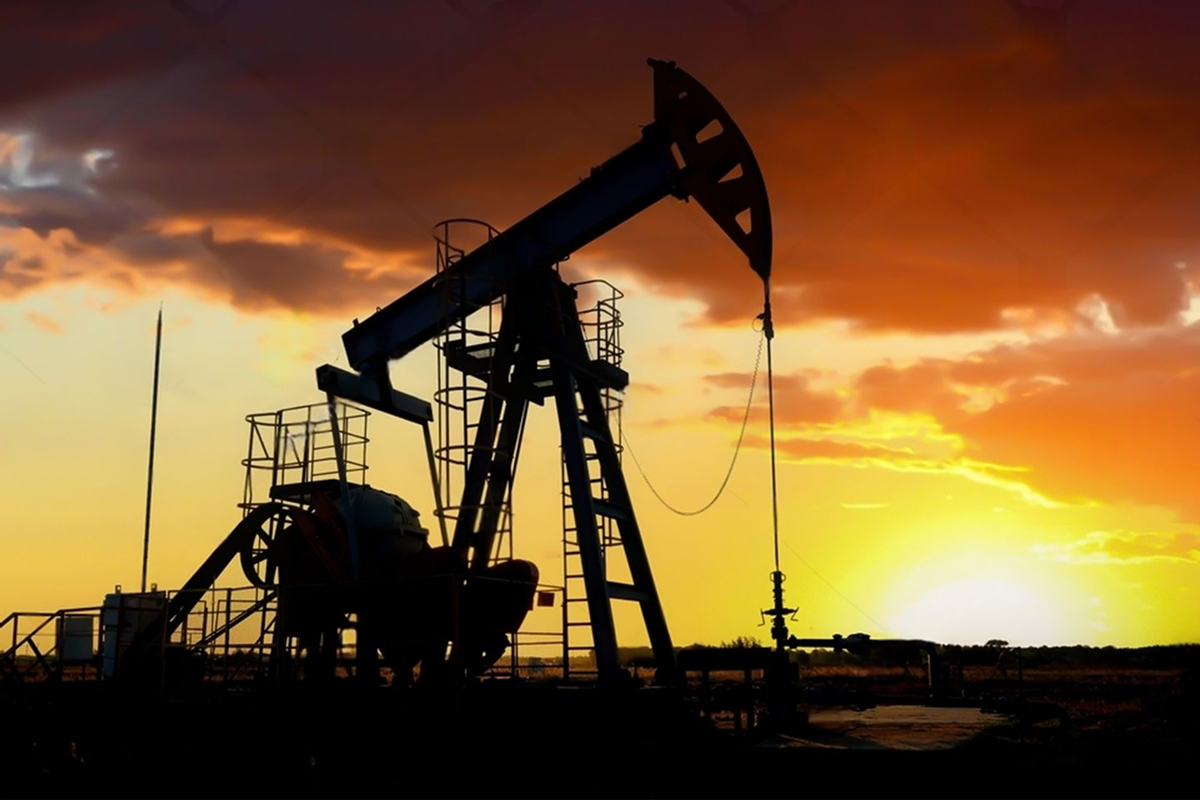
When global oil prices swing sharply, the impact extends far beyond energy markets. Brent crude has repeatedly moved by 10–20 percent within weeks during geopolitical disruptions or supply shifts, influencing inflation data from the United States to Europe and Israel. For households and investors alike, oil volatility is not an abstract commodity story but a direct factor shaping living costs, corporate margins, and central bank policy.
From Crude Benchmarks to the Gas Station
Oil is priced globally, primarily through benchmarks such as Brent and West Texas Intermediate. When supply disruptions occur—whether due to OPEC+ production cuts, conflict in energy-producing regions, or unexpected demand rebounds—prices can rise rapidly. In 2022, for example, Brent crude briefly exceeded 120 dollars per barrel following Russia’s invasion of Ukraine, compared with around 70–80 dollars in the preceding year.
Retail fuel prices tend to adjust within weeks, depending on taxation and local regulation. In Israel, fuel prices are updated monthly by the Ministry of Energy and are highly sensitive to both global crude prices and the shekel–dollar exchange rate. A weaker shekel compounds the effect of rising oil, since crude is traded in dollars. The immediate result for consumers is higher transportation costs, which reduce disposable income and weigh on consumption patterns.
The Second-Round Effect: Food, Freight, and Inflation
The broader economic consequences emerge through second-round effects. Transportation and logistics costs are embedded in nearly every product, from imported electronics to fresh produce. Higher diesel and shipping costs push up supermarket prices, particularly in countries reliant on imports. According to OECD data, energy accounts directly and indirectly for a significant share of consumer price indices, often contributing materially to headline inflation during oil shocks.
Agriculture is especially exposed. Fuel powers farm machinery, while oil derivatives are used in fertilizers and packaging. A sustained 15–20 percent rise in crude can gradually filter into higher food prices over subsequent quarters. For central banks, including the Bank of Israel, such dynamics complicate monetary policy. Policymakers must assess whether oil-driven inflation is temporary or likely to feed into wage demands and core price pressures.
Market Reaction and Strategic Implications
Financial markets respond swiftly to oil volatility. Energy stocks often outperform during price spikes, while transport, aviation, and consumer discretionary sectors may face margin pressure. Bond markets also react, as rising inflation expectations can lift yields. For Israel’s capital markets, the effect is twofold: domestic energy companies may benefit, yet higher import costs can pressure the broader economy.
Currency dynamics play a crucial moderating role. A strong U.S. dollar typically coincides with tighter global financial conditions, which can amplify commodity-driven inflation for emerging and smaller developed economies. Conversely, currency appreciation can offset part of the energy burden.
Looking ahead, investors should monitor OPEC+ production decisions, geopolitical developments in key producing regions, global demand trends from China and the United States, and exchange rate movements. Oil remains a foundational input across the global economy, and its price trajectory will continue to influence inflation, interest rate expectations, and household purchasing power. For sophisticated investors, understanding these transmission channels is essential to interpreting both macro data releases and market volatility in the months ahead.
Comparison, examination, and analysis between investment houses
Leave your details, and an expert from our team will get back to you as soon as possible
* This article, in whole or in part, does not contain any promise of investment returns, nor does it constitute professional advice to make investments in any particular field.
To read more about the full disclaimer, click here
- Ronny Mor
- •
- 5 Min Read
- •
- ago 2 minutes
SKN | Oil Climbs Above $83 as Iran Conflict Disrupts Global Energy Supplies
Global oil prices climbed again as escalating hostilities in the Middle East continued to disrupt energy flows and raise concerns
- ago 2 minutes
- •
- 5 Min Read

Global oil prices climbed again as escalating hostilities in the Middle East continued to disrupt energy flows and raise concerns

- sagi habasov
- •
- 8 Min Read
- •
- ago 18 hours
SKN | Airlines and Shipping Firms Rush to Lock Fuel Hedges as Oil Prices Surge
Airlines and global shipping companies are rapidly expanding fuel hedging strategies as oil prices climb sharply in response to
- ago 18 hours
- •
- 8 Min Read
Airlines and global shipping companies are rapidly expanding fuel hedging strategies as oil prices climb sharply in response to

- orshu
- •
- 7 Min Read
- •
- ago 18 hours
SKN | Gold Rebounds After Sharp Selloff as Weaker U.S. Dollar Revives Safe-Haven Demand
Gold prices recovered after a sharp decline in the previous trading session, supported primarily by a weaker U.S. dollar
- ago 18 hours
- •
- 7 Min Read

Gold prices recovered after a sharp decline in the previous trading session, supported primarily by a weaker U.S. dollar
- orshu
- •
- 6 Min Read
- •
- ago 1 day
SKN | Oil Pulls Back Slightly as Iran Signals Possible Talks With U.S. Amid War Disruptions
Oil prices trimmed gains after reports that Iran may be exploring diplomatic channels with the United States, raising cautious hopes
- ago 1 day
- •
- 6 Min Read

Oil prices trimmed gains after reports that Iran may be exploring diplomatic channels with the United States, raising cautious hopes

