


- Arik Arkadi Sluzki
- •
- 7 Min Read
- •
- 1 day ago
Key Points
- Palantir is reportedly challenging the inclusion of AI startup Anthropic in a Pentagon artificial intelligence software program.
- The dispute highlights intensifying competition among technology firms seeking lucrative U.S. defense AI contracts.
- Outcome of the challenge could influence the future structure of military AI procurement and partnerships.
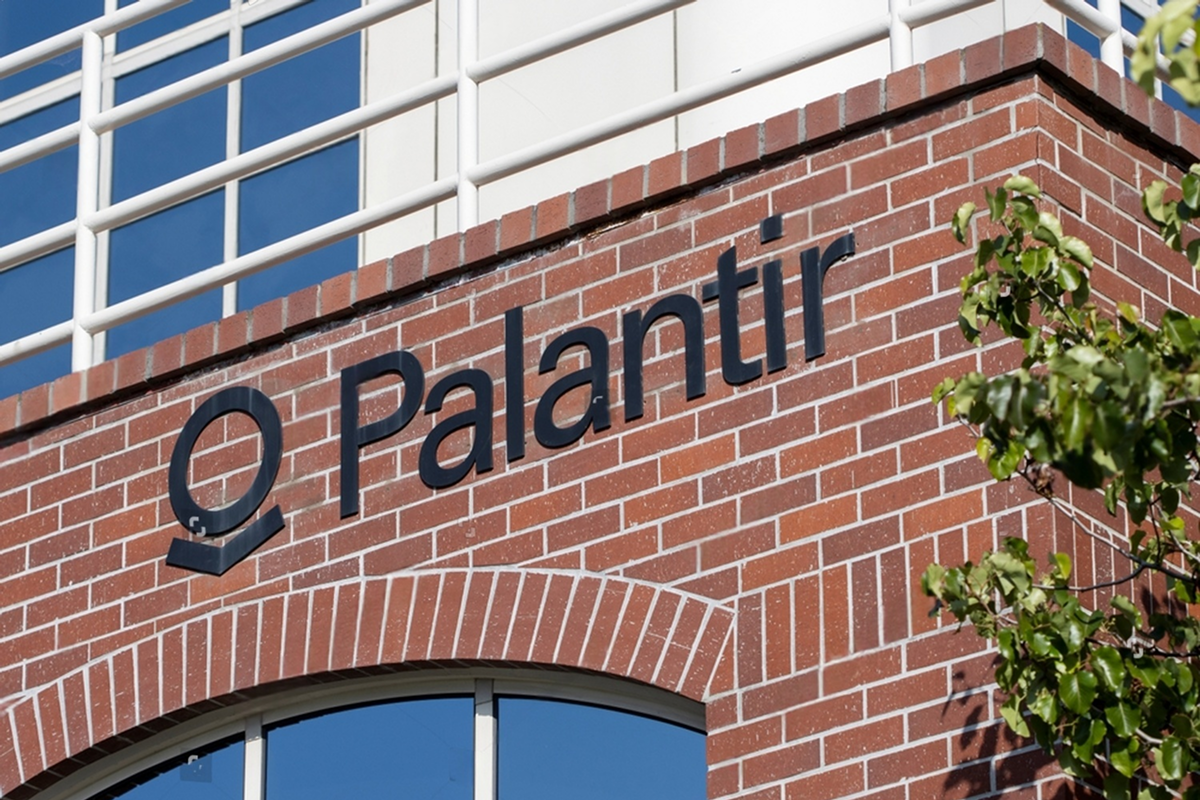
A growing dispute in the U.S. defense technology sector is drawing attention from investors and policymakers alike, as Palantir challenges the inclusion of AI firm Anthropic in a Pentagon software initiative. The move underscores the rising strategic value of artificial intelligence in national defense and highlights the competitive dynamics emerging among leading technology companies seeking government contracts.
AI Becomes a Strategic Battlefield in Defense Technology
Artificial intelligence has rapidly become a central component of modern defense infrastructure, enabling capabilities ranging from intelligence analysis and battlefield decision support to predictive logistics and cybersecurity. Governments are increasingly allocating significant budgets toward AI-driven platforms as they seek technological advantages in an evolving geopolitical environment.
Palantir has long positioned itself as a leading provider of data analytics and AI software to the U.S. government, with platforms such as Gotham and Foundry widely used across defense and intelligence agencies. The company’s deep ties to national security institutions have helped it secure multi-year contracts worth billions of dollars. Against this backdrop, the emergence of Anthropic as a participant in Pentagon AI initiatives represents a notable shift in the competitive landscape.
The challenge by Palantir reflects broader industry tensions as new entrants—particularly generative AI developers—seek to integrate their technologies into government systems traditionally dominated by established defense contractors.
The Business Stakes Behind Pentagon AI Contracts
Defense technology contracts are among the most valuable and stable revenue sources available to software companies. The U.S. Department of Defense allocates tens of billions of dollars annually to technology modernization initiatives, with AI development forming a key pillar of long-term strategy.
Winning participation in a Pentagon AI program not only delivers direct revenue but also confers reputational credibility that can unlock further contracts across allied governments and private-sector partnerships. For Palantir, maintaining its leadership in government AI platforms is strategically important as the firm continues expanding into commercial markets.
Meanwhile, startups like Anthropic bring cutting-edge generative AI models that could transform how defense agencies process large volumes of intelligence data. Their inclusion signals that government procurement strategies are evolving to incorporate newer technologies alongside established analytics systems.
Market Implications for the Defense Technology Sector
The dispute highlights how rapidly the defense technology ecosystem is changing as artificial intelligence advances accelerate. Traditional contractors and established software providers now face competition from AI-native companies developing large language models and autonomous systems.
For investors, this evolution has implications for valuation trends within the technology sector. Companies that secure government AI partnerships often benefit from long-term revenue visibility and enhanced credibility in highly regulated industries. At the same time, increased competition could compress margins or require firms to expand research and development spending.
The situation also underscores the intersection between national security priorities and private-sector innovation. Governments increasingly rely on commercial technology providers to deliver capabilities that once resided exclusively within defense contractors.
Looking ahead, the outcome of the Pentagon AI contract dispute could shape how future defense technology partnerships are structured. If the challenge leads to revised procurement frameworks, it may open the door for a broader mix of startups and established firms to collaborate on military AI systems. Investors and industry observers will closely monitor regulatory responses, defense spending trends, and strategic alliances among technology companies. The broader trajectory of artificial intelligence adoption within government institutions suggests that competition for these contracts will intensify, potentially redefining the balance of power across the defense technology sector in the years ahead.
Comparison, examination, and analysis between investment houses
Leave your details, and an expert from our team will get back to you as soon as possible
* This article, in whole or in part, does not contain any promise of investment returns, nor does it constitute professional advice to make investments in any particular field.
To read more about the full disclaimer, click here
- orshu
- •
- 6 Min Read
- •
- ago 25 minutes
SKN | Global Markets Wrap: March 5, 2026 – Key Losses in Americas and Europe, Asia Mixed | Outlook for March 6, 2026
Global markets faced a challenging session on March 5, 2026, as risk sentiment deteriorated across the Americas and Europe, while
- ago 25 minutes
- •
- 6 Min Read

Global markets faced a challenging session on March 5, 2026, as risk sentiment deteriorated across the Americas and Europe, while

- Ronny Mor
- •
- 6 Min Read
- •
- ago 2 hours
SKN | EU Trade Chief Confirms U.S. Commitment to Uphold Key Trade Deal
The European Union’s top trade official has confirmed that the United States has assured the EU it will respect the
- ago 2 hours
- •
- 6 Min Read

The European Union’s top trade official has confirmed that the United States has assured the EU it will respect the
- orshu
- •
- 8 Min Read
- •
- ago 3 hours
SKN | Asian Markets Trade Mixed Friday Morning as India and China Advance While Japan and Australia Slip
Asian equity markets opened Friday’s trading session with mixed performance as investors navigated diverging economic signals across the region. Gains
- ago 3 hours
- •
- 8 Min Read

Asian equity markets opened Friday’s trading session with mixed performance as investors navigated diverging economic signals across the region. Gains

- Arik Arkadi Sluzki
- •
- 7 Min Read
- •
- ago 5 hours
SKN | Belden Stock Slides: What Is Driving the Decline in BDC Shares Today?
Shares of Belden Inc., a global supplier of networking, connectivity, and industrial automation solutions, declined in recent trading as
- ago 5 hours
- •
- 7 Min Read

Shares of Belden Inc., a global supplier of networking, connectivity, and industrial automation solutions, declined in recent trading as

