


- orshu
- •
- 5 Min Read
- •
- 2 hours ago
Key Points
- Europe’s growth outlook remains stable if Middle East escalation is contained within weeks
- Energy prices are the primary transmission channel to inflation and industrial output
- Prolonged disruption could complicate ECB policy and pressure the euro
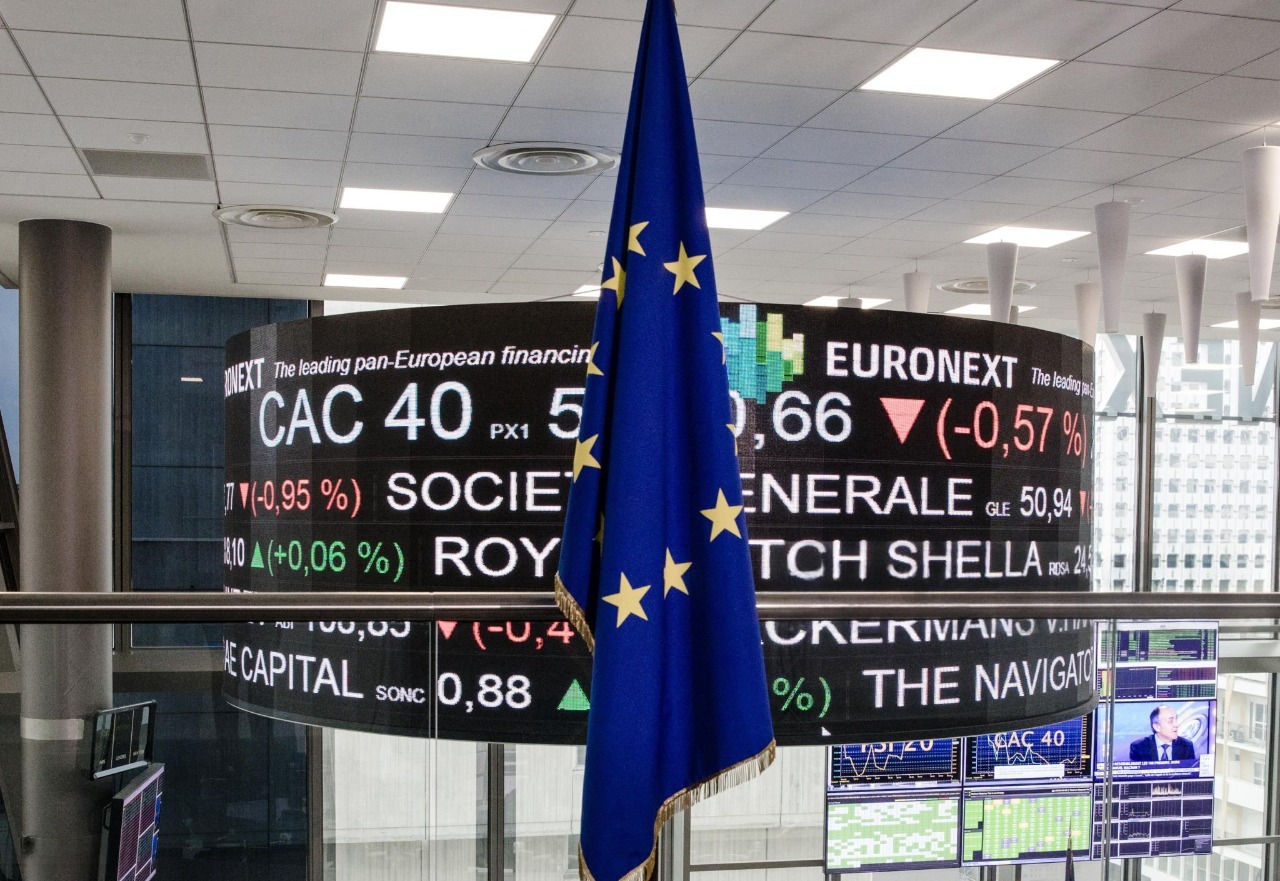
Europe’s economy may be resilient enough to withstand a limited military escalation involving Iran, provided the conflict is contained within roughly a month and avoids major energy supply disruptions. Markets are closely watching oil and natural gas prices, which represent the clearest economic transmission channel to the eurozone’s already fragile recovery.
Energy Prices: The Critical Variable
The euro area remains structurally exposed to energy volatility despite progress in diversifying supply since the 2022 energy crisis. While dependency on Russian gas has fallen sharply, Europe still relies heavily on imported oil and liquefied natural gas priced on global markets. A temporary spike in crude prices can be absorbed through inventories and fiscal buffers, but a sustained surge would feed directly into transportation, manufacturing, and consumer prices.
Analysts generally estimate that a $10-per-barrel increase in oil, if sustained, can shave several tenths of a percentage point off eurozone growth while adding to inflationary pressure. If hostilities disrupt shipping routes such as the Strait of Hormuz, the impact would be significantly larger.
Monetary Policy and Market Sensitivity
The European Central Bank is already navigating a delicate balance between moderating inflation and supporting subdued growth. A short-lived geopolitical shock would likely be treated as temporary, limiting the need for policy adjustment. However, prolonged energy-driven inflation could delay anticipated rate cuts or tighten financial conditions.
European bond markets have so far reacted with measured caution, while the euro has shown sensitivity to oil-linked volatility. Equity sectors with heavy energy exposure, including chemicals and industrials, remain particularly vulnerable to cost shocks.
Implications for Israeli and Global Investors
For Israeli institutional investors with exposure to European equities and sovereign bonds, the duration of the conflict is the defining variable. A contained episode may create short-term volatility without materially altering medium-term growth projections. Conversely, a multi-month escalation could weaken European demand, affect export-oriented sectors, and ripple through global capital flows.
Looking ahead, markets will focus on confirmed supply disruptions, OPEC+ responses, and diplomatic signals that indicate whether tensions are de-escalating. The European economy appears capable of weathering a brief shock, but its margin for error remains narrow. The interplay between energy prices, inflation expectations, and ECB policy will ultimately determine whether stability holds or broader macro adjustments become necessary.
Comparison, examination, and analysis between investment houses
Leave your details, and an expert from our team will get back to you as soon as possible
* This article, in whole or in part, does not contain any promise of investment returns, nor does it constitute professional advice to make investments in any particular field.
To read more about the full disclaimer, click here
- sagi habasov
- •
- 7 Min Read
- •
- ago 2 minutes
SKN | Aluminum Prices Surge as Qatar Suspends Output Amid Escalating Iran Crisis
Aluminum prices rallied sharply on Tuesday as QatarEnergy announced an immediate halt to production of downstream products, including aluminum,
- ago 2 minutes
- •
- 7 Min Read
Aluminum prices rallied sharply on Tuesday as QatarEnergy announced an immediate halt to production of downstream products, including aluminum,

- Ronny Mor
- •
- 5 Min Read
- •
- ago 2 hours
SKN: Oil Rally Accelerates as Middle East War Sends Shockwaves Through Energy Markets
Global oil prices climbed sharply as escalating conflict in the Middle East injected a renewed geopolitical risk premium into
- ago 2 hours
- •
- 5 Min Read
Global oil prices climbed sharply as escalating conflict in the Middle East injected a renewed geopolitical risk premium into

- omer bar
- •
- 5 Min Read
- •
- ago 3 hours
SKN | Gold Wavers as Stronger Dollar Counters Middle East Risk Premium
Gold prices are struggling to extend gains despite persistent geopolitical tensions in the Middle East, as strength in the
- ago 3 hours
- •
- 5 Min Read

Gold prices are struggling to extend gains despite persistent geopolitical tensions in the Middle East, as strength in the

- orshu
- •
- 7 Min Read
- •
- ago 10 hours
SKN | Global Markets Wrap: March 2, 2026 Performance and Outlook Ahead of March 3 Trading
Global markets on March 2, 2026, reflected cautious investor sentiment as trading was influenced by regional holidays, mixed economic signals,
- ago 10 hours
- •
- 7 Min Read

Global markets on March 2, 2026, reflected cautious investor sentiment as trading was influenced by regional holidays, mixed economic signals,

