


- Lior mor
- •
- 6 Min Read
- •
- 9 hours ago
Key Points
- Europe is highly exposed to Middle East energy disruptions, particularly via oil and LNG imports.
- Brent crude has surged toward $80, with scenarios pointing to $100 if the Strait of Hormuz is blocked.
- A prolonged conflict could raise euro-area inflation and dampen GDP growth, complicating ECB policy.
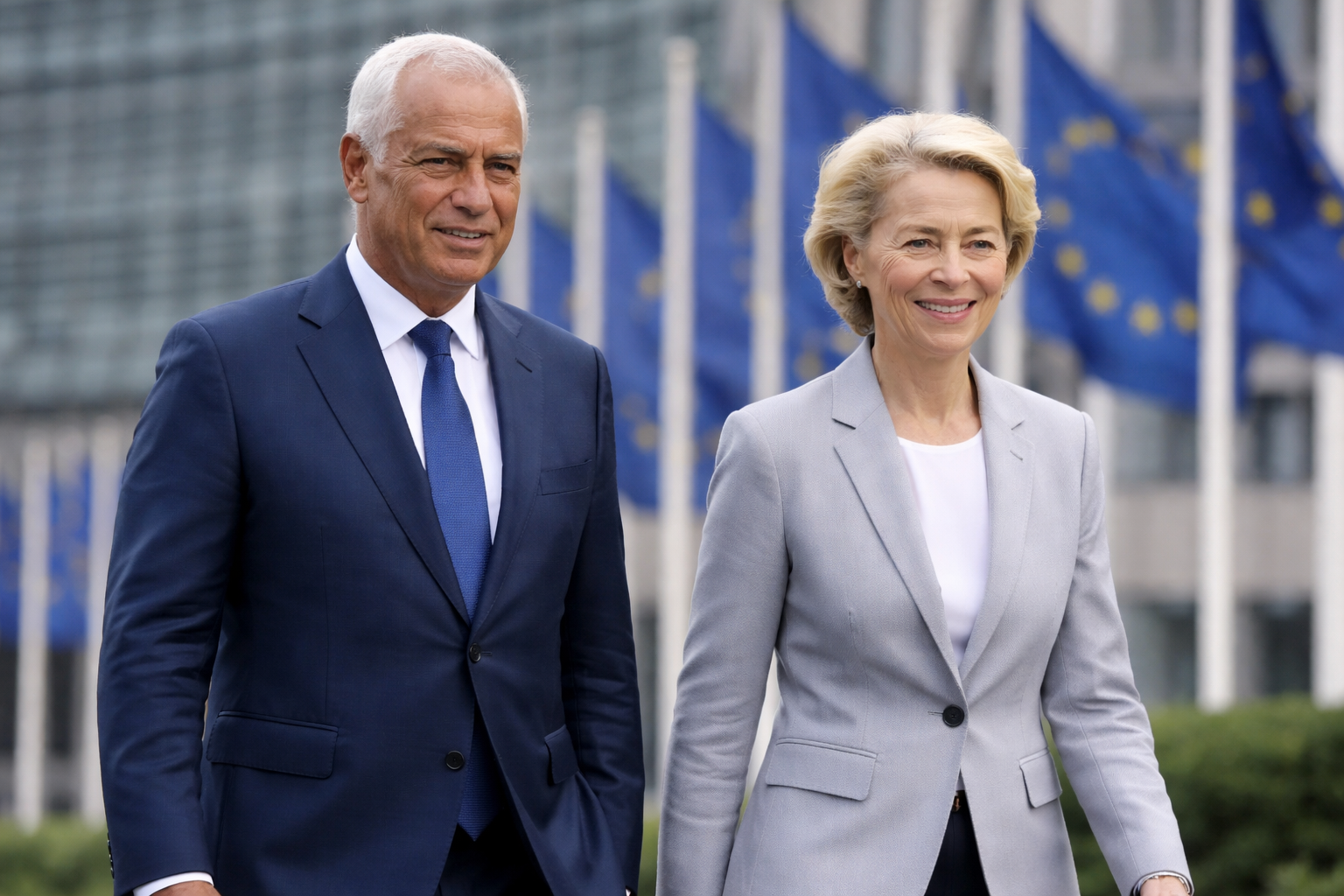
The trajectory of Europe’s economic recovery may hinge on a single variable: duration. If the current Iran conflict subsides within weeks, the euro area could absorb the shock as a temporary energy spike. If hostilities extend and disrupt oil and gas flows, the region may face renewed inflationary pressure and stalled growth just as momentum was returning.
Energy markets reacted swiftly. Brent crude climbed toward $80 per barrel from a pre-escalation average near $65, while European gas prices surged amid concerns about supply security. Europe remains structurally dependent on imported energy, and analysts widely view it as the most exposed major advanced economy to sustained disruptions in the Middle East.
Energy Exposure and Inflation Risk
The Strait of Hormuz handles roughly one-fifth of global seaborne oil and gas flows. A prolonged closure or meaningful disruption could push Brent above $100 per barrel. Morgan Stanley estimates that a permanent $10 increase in oil prices would lift euro-area inflation by roughly 0.4 percentage points while trimming GDP growth by 0.15 percentage points.
Such a scenario would place the European Central Bank in a difficult position. Policymakers have spent the past two years battling inflation while cautiously guiding expectations toward price stability. The ECB’s latest projections anticipate inflation undershooting its 2% target in the coming years, with growth gradually improving to 1.4% next year.
An energy-driven inflation rebound would disrupt that trajectory. Traders have already pared back expectations for further rate cuts this year as commodity prices climbed.
Growth at a Fragile Turning Point
Europe entered 2026 on firmer footing. Germany’s increased fiscal spending and broader government support across the bloc were expected to underpin modest expansion. The recovery, however, remains fragile and highly sensitive to external shocks.
A sustained rise in energy costs would weigh heavily on industrial production and household purchasing power. Governments may face pressure to subsidize energy bills once again, widening fiscal deficits and reviving political tensions. For energy-intensive sectors such as chemicals and manufacturing, margin compression could return quickly.
Market reaction so far suggests cautious optimism. Germany’s DAX index remains near record territory, indicating investors are not yet pricing in a prolonged crisis. Analysts generally assume oil will average closer to $65–$70 over the medium term, interpreting the recent spike as a risk premium rather than a structural repricing.
Gas Markets and Strategic Vulnerability
European natural gas markets may prove the more sensitive channel. The region enters the summer refill season with relatively low storage levels. Any interruption to LNG supply, particularly from Qatar, would complicate efforts to rebuild inventories ahead of winter.
Higher gas prices could amplify inflation and intensify pressure on industrial competitiveness. Unlike oil, where global supply can partially adjust, LNG logistics are more rigid, making short-term substitution difficult.
The coming weeks will therefore serve as a stress test for Europe’s resilience. If hostilities ease and shipping routes remain operational, the energy shock may fade into a temporary volatility episode. If conflict persists, Europe could face the dual challenge of weaker growth and revived inflation — a combination that would test both fiscal discipline and central bank credibility.
Comparison, examination, and analysis between investment houses
Leave your details, and an expert from our team will get back to you as soon as possible
* This article, in whole or in part, does not contain any promise of investment returns, nor does it constitute professional advice to make investments in any particular field.
To read more about the full disclaimer, click here
- sagi habasov
- •
- 6 Min Read
- •
- ago 5 minutes
SKN | Currency Markets Signal a Supply-Side Inflation Shock: Are FX Traders Ahead of Central Banks?
Global currency markets are increasingly pricing in the risk of a supply-driven inflation resurgence. Moves across the U.S. dollar,
- ago 5 minutes
- •
- 6 Min Read
Global currency markets are increasingly pricing in the risk of a supply-driven inflation resurgence. Moves across the U.S. dollar,

- Articles
- •
- 6 Min Read
- •
- ago 13 hours
SKN | China’s Growth Ambitions Confront Limits as National Congress Opens
China entered its annual political session with economic ambitions tempered by the realities of slower growth. The National People’s Congress
- ago 13 hours
- •
- 6 Min Read

China entered its annual political session with economic ambitions tempered by the realities of slower growth. The National People’s Congress
- sagi habasov
- •
- 7 Min Read
- •
- ago 2 days
SKN | Will AI-Driven Market Volatility Intensify as U.S. Jobs Data Tests Investor Confidence?
Artificial intelligence continues to dominate global equity narratives, but attention is shifting toward a critical macro catalyst: the upcoming U.S.
- ago 2 days
- •
- 7 Min Read

Artificial intelligence continues to dominate global equity narratives, but attention is shifting toward a critical macro catalyst: the upcoming U.S.

- Lior mor
- •
- 7 Min Read
- •
- ago 2 days
SKN | China’s Solar Surge Drives First Energy Emissions Dip in 2025 — A Turning Point for Global Carbon Trends?
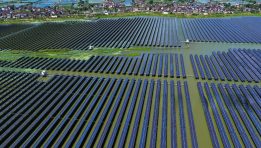
China’s unprecedented expansion in solar power capacity has helped push energy-related carbon emissions slightly lower in 2025, marking a
- ago 2 days
- •
- 7 Min Read
China’s unprecedented expansion in solar power capacity has helped push energy-related carbon emissions slightly lower in 2025, marking a

