


- Articles
- •
- 6 Min Read
- •
- 4 hours ago
Key Points
- China’s National People’s Congress convenes amid slowing GDP growth, signaling cautious fiscal and policy targets.
- Industrial output, consumer spending, and export momentum show mixed signals, raising questions on sustainable expansion.
- lobal markets, including Israeli investors, are closely monitoring China’s economic trajectory amid trade and monetary policy implications.
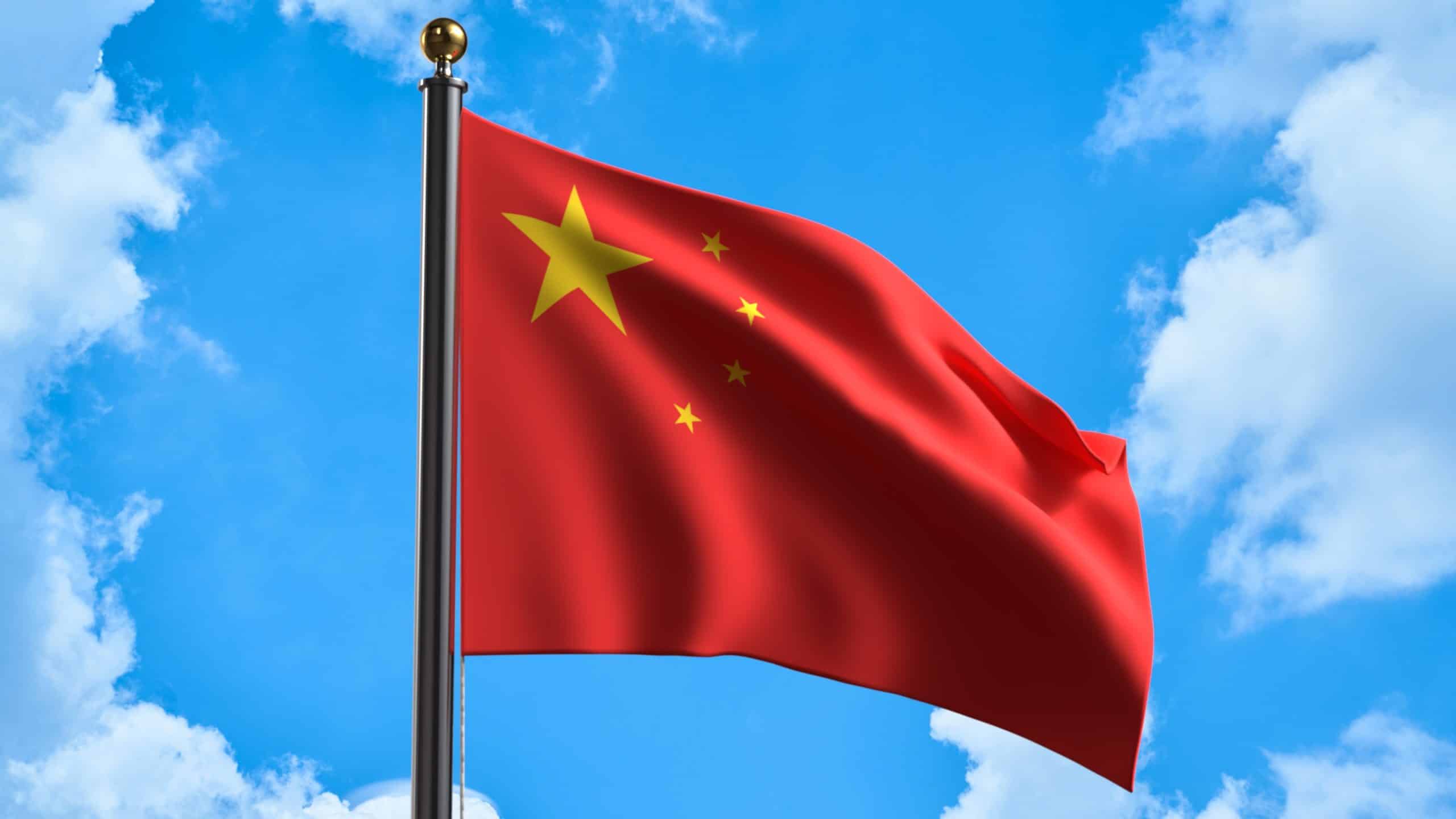
China entered its annual political session with economic ambitions tempered by the realities of slower growth. The National People’s Congress (NPC), convening this week, sets the stage for Beijing to outline fiscal, monetary, and regulatory policies, at a time when domestic consumption, industrial activity, and export demand show signs of moderation. Investors globally are scrutinizing the session for signals on China’s policy stance and implications for both regional and international markets.
Economic Growth Pressures
China’s economy grew at an estimated 4.5% in 2025, below the government’s prior targets and its historical post-pandemic rebound trajectory. Industrial production expanded 3.2% year-on-year in January and February, showing resilience in manufacturing sectors but slower momentum than analysts expected. Retail sales growth remained modest at around 2.8%, highlighting persistent consumer caution despite government incentives to stimulate spending. The central bank’s approach to interest rates and credit expansion will be pivotal in supporting growth, as credit demand in the private sector shows uneven recovery, particularly among small and medium-sized enterprises. These dynamics underscore the constraints on Beijing’s ability to achieve its traditionally ambitious annual GDP goals.
Market Reactions and Trade Implications
Equity and commodity markets have responded cautiously to the early signals from the NPC. The Shanghai Composite and Shenzhen indices showed limited gains in early March sessions, reflecting investor uncertainty over domestic policy measures. Export-oriented sectors face pressures from slower global demand and rising U.S. dollar strength, which has implications for multinational companies with exposure to Chinese markets. For Israeli investors, sectors linked to commodities and high-tech supply chains may feel indirect effects from China’s moderated import demand, while financial institutions are assessing potential currency volatility arising from yuan policy adjustments. Trade tensions with major economies, though relatively stable, continue to factor into market sentiment.
Policy Outlook and Strategic Implications
The NPC is expected to focus on stabilizing employment, encouraging infrastructure investment, and maintaining controlled credit growth. Policymakers are likely to prioritize targeted fiscal spending rather than broad stimulus measures, signaling a more cautious approach to sustaining expansion. Environmental and technological sectors may benefit from policy incentives, while real estate and heavy industry could face tighter regulation. Analysts note that while Beijing’s strategy may prevent abrupt economic shocks, the slower pace of reform and growth could pose structural challenges over the medium term.
Looking Forward: What Investors Should Monitor
Global investors, including in Israel, should track several key indicators following the NPC session. These include industrial production trends, retail and e-commerce activity, credit growth rates, and policy guidance on foreign investment and trade facilitation. Currency fluctuations, particularly of the yuan, could affect cross-border transactions and hedging strategies. Geopolitical developments, alongside domestic regulatory shifts, will continue to shape the risk-reward calculus for exposure to China’s economy. Strategic monitoring of sectoral performance and macroeconomic signals will be essential for positioning portfolios amid constrained growth ambitions.
Comparison, examination, and analysis between investment houses
Leave your details, and an expert from our team will get back to you as soon as possible
* This article, in whole or in part, does not contain any promise of investment returns, nor does it constitute professional advice to make investments in any particular field.
To read more about the full disclaimer, click here
- Lior mor
- •
- 6 Min Read
- •
- ago 24 seconds
SKN | Can Europe’s Economy Withstand the Iran War if It Ends Within a Month?
The trajectory of Europe’s economic recovery may hinge on a single variable: duration. If the current Iran conflict subsides within
- ago 24 seconds
- •
- 6 Min Read

The trajectory of Europe’s economic recovery may hinge on a single variable: duration. If the current Iran conflict subsides within

- sagi habasov
- •
- 7 Min Read
- •
- ago 1 day
SKN | Will AI-Driven Market Volatility Intensify as U.S. Jobs Data Tests Investor Confidence?
Artificial intelligence continues to dominate global equity narratives, but attention is shifting toward a critical macro catalyst: the upcoming U.S.
- ago 1 day
- •
- 7 Min Read

Artificial intelligence continues to dominate global equity narratives, but attention is shifting toward a critical macro catalyst: the upcoming U.S.
- Lior mor
- •
- 7 Min Read
- •
- ago 2 days
SKN | China’s Solar Surge Drives First Energy Emissions Dip in 2025 — A Turning Point for Global Carbon Trends?
China’s unprecedented expansion in solar power capacity has helped push energy-related carbon emissions slightly lower in 2025, marking a
- ago 2 days
- •
- 7 Min Read
China’s unprecedented expansion in solar power capacity has helped push energy-related carbon emissions slightly lower in 2025, marking a
- Lior mor
- •
- 6 Min Read
- •
- ago 5 days
SKN | IMF Unlocks $2.3 Billion for Egypt: Is the Reform Program Finally Turning the Corner?
The International Monetary Fund approved the release of approximately $2.3 billion to Egypt, citing progress in macroeconomic stabilization and structural
- ago 5 days
- •
- 6 Min Read
The International Monetary Fund approved the release of approximately $2.3 billion to Egypt, citing progress in macroeconomic stabilization and structural

