


- omer bar
- •
- 7 Min Read
- •
- 13 hours ago
Key Points
- WTI surged above $72 amid escalating Middle East conflict.
- Strait of Hormuz disruptions pose major global supply risk.
- OPEC+ output hike modest, keeping market risk premium elevate
Geopolitical Shock Sends Crude to Multi-Month Highs
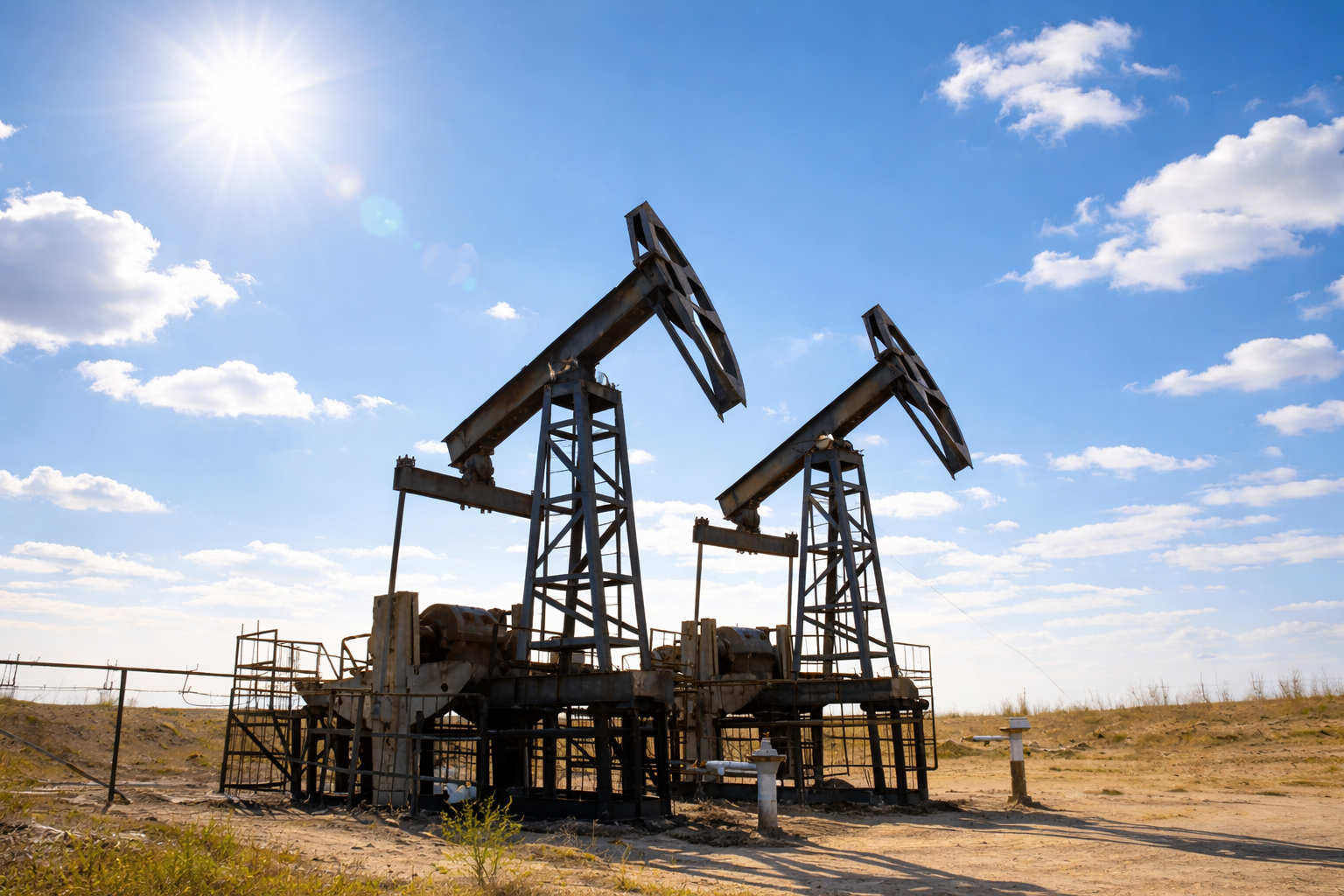
Oil markets jolted sharply higher as escalating tensions in the Middle East reignited fears of a supply disruption in one of the world’s most critical energy corridors. WTI crude futures surged more than 8% on Monday, briefly climbing above $72 per barrel — the highest level since June last year — before settling near $70.44, still up 5.11% on the day.
The rally follows coordinated U.S. and Israeli strikes on Iranian targets and Tehran’s retaliatory attacks across the region. Shipping companies have reportedly begun rerouting vessels away from the Strait of Hormuz, a narrow chokepoint that handles roughly one-fifth of global oil shipments. Even precautionary diversions signal how fragile market confidence has become.
Over the past month, crude prices have risen 11.45%, and are now up 3.03% year-over-year. The move reflects a rapid repricing of geopolitical risk rather than a structural shift in demand fundamentals.
Strait of Hormuz and Saudi Infrastructure in Focus
The Strait of Hormuz remains the market’s central pressure point. Any sustained disruption would immediately tighten global supply, particularly for Asian importers dependent on Gulf exports. China, India, Japan, and South Korea collectively absorb the majority of crude passing through the corridor, meaning any blockage would ripple through currency markets and inflation expectations globally.
Compounding concerns, Saudi Aramco temporarily halted operations at its Ras Tanura refinery — the kingdom’s largest — after a drone attack targeted the facility. Even short-lived outages at major Saudi infrastructure amplify fears of escalation beyond symbolic strikes.
Such developments raise the probability of risk premiums being embedded into crude pricing, especially if insurance costs and shipping delays begin to rise materially.
OPEC+ Output Increase Falls Short of Market Expectations
In an effort to calm markets, OPEC+ agreed to raise production by 206,000 barrels per day starting in April. While this ends a three-month pause in incremental increases, the figure fell well short of the 411,000–548,000 barrels per day that had previously been under discussion.
The modest output adjustment signals caution within the producer alliance. It suggests that policymakers are reluctant to flood the market amid geopolitical uncertainty and prefer to preserve flexibility should the conflict widen.
For investors, this reinforces the idea that spare capacity may not be deployed aggressively unless physical supply disruptions become severe.
Inflation and Policy Implications Resurface
Beyond the immediate price spike, the broader concern lies in inflation transmission. A sustained move toward $80–$100 per barrel would likely feed into transportation costs, manufacturing inputs, and consumer fuel prices, complicating central bank policy across developed and emerging markets.
For the United States and Israel, higher oil may offer strategic leverage in some areas but could simultaneously pressure domestic inflation narratives. For energy-importing economies, especially in Asia, the shock could weaken currencies and tighten financial conditions.
Looking ahead, markets will closely monitor whether shipping disruptions intensify and whether further strikes target critical energy infrastructure. If tensions de-escalate quickly, crude could retrace part of its geopolitical premium. However, if the Strait of Hormuz becomes operationally constrained, oil may enter a structurally higher trading range, with implications extending well beyond the energy sector.
Comparison, examination, and analysis between investment houses
Leave your details, and an expert from our team will get back to you as soon as possible
* This article, in whole or in part, does not contain any promise of investment returns, nor does it constitute professional advice to make investments in any particular field.
To read more about the full disclaimer, click here
- Ronny Mor
- •
- 6 Min Read
- •
- ago 2 minutes
SKN | Gold Climbs Above $5,380 as Middle East Escalation Fuels Safe-Haven Demand — Can the Rally Challenge January Highs?
Gold advanced for a fifth consecutive session as escalating military conflict in the Middle East disrupted energy markets and intensified
- ago 2 minutes
- •
- 6 Min Read

Gold advanced for a fifth consecutive session as escalating military conflict in the Middle East disrupted energy markets and intensified

- sagi habasov
- •
- 6 Min Read
- •
- ago 1 day
SKN | Gold Extends Rally as Middle East Conflict Spurs Safe-Haven Flows – How Sustainable Is the Move?
Gold prices have strengthened in recent sessions as escalating conflict in the Middle East drives investors toward traditional safe-haven assets.
- ago 1 day
- •
- 6 Min Read

Gold prices have strengthened in recent sessions as escalating conflict in the Middle East drives investors toward traditional safe-haven assets.
- Ronny Mor
- •
- 6 Min Read
- •
- ago 1 day
SKN | Oil Prices Surge Past $80 as US-Iran Tensions Escalate in the Strait of Hormuz
Oil prices surged past $80 per barrel on Monday, reflecting heightened geopolitical tensions between the United States and Iran in
- ago 1 day
- •
- 6 Min Read

Oil prices surged past $80 per barrel on Monday, reflecting heightened geopolitical tensions between the United States and Iran in

- Arik Arkadi Sluzki
- •
- 7 Min Read
- •
- ago 2 days
SKN | Mining Stocks Surge as Geopolitical Tensions and AI Demand Redefine Commodity Leadership
Mining stocks have emerged as unexpected leaders in global equity markets, buoyed by a combination of geopolitical instability and
- ago 2 days
- •
- 7 Min Read

Mining stocks have emerged as unexpected leaders in global equity markets, buoyed by a combination of geopolitical instability and

