


- omer bar
- •
- 6 Min Read
- •
- 4 hours ago
Key Points
- Nvidia CEO Jensen Huang downplayed tensions between the U.S. Department of Defense and AI startup Anthropic, describing any conflict as “not the end of the world.”
- Disagreements focus on military access to Anthropic’s AI models, with the Pentagon seeking broader usage and compliance.
- Nvidia’s role as a key AI infrastructure provider positions it as a stabilizing force in government–industry collaborations.
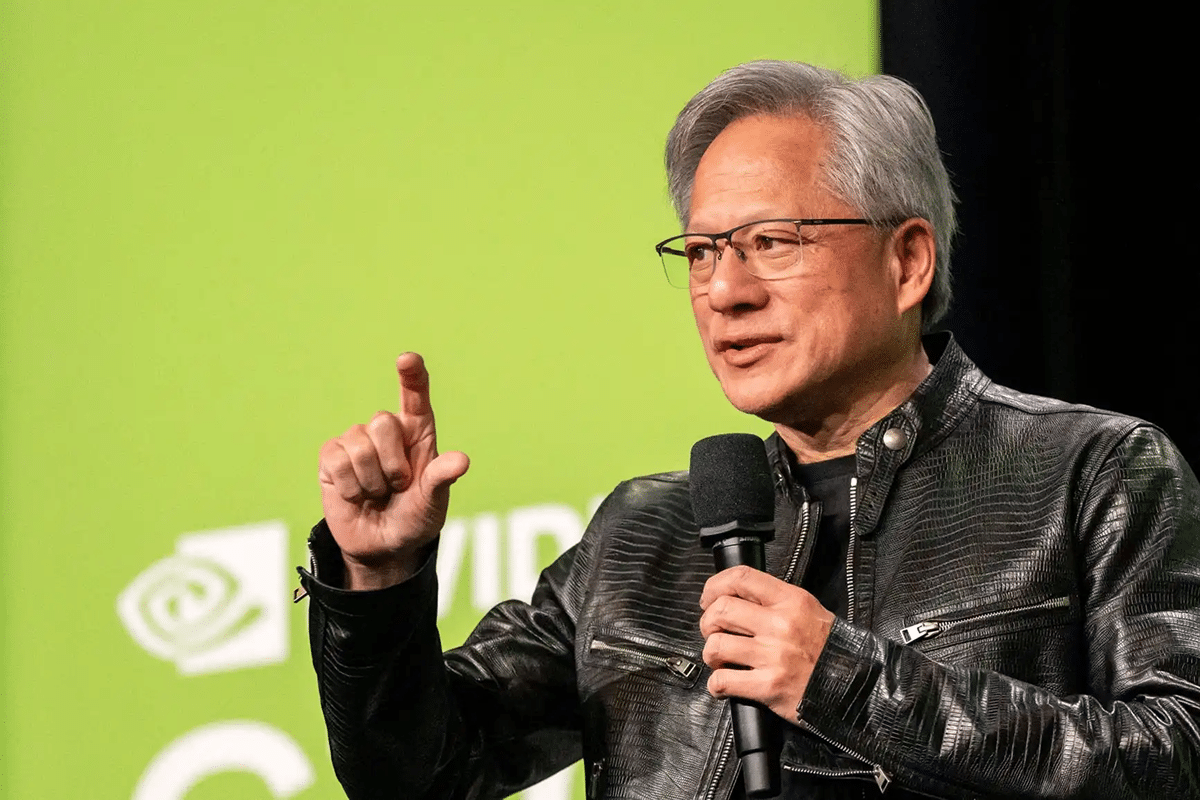
Nvidia Chief Executive Jensen Huang sought to ease investor and industry concerns over reported tensions between the U.S. Department of Defense and AI research firm Anthropic. His assessment that any rift is “not the end of the world” reflects the company’s broader influence on AI infrastructure and underscores the nuanced balance between ethical AI deployment and strategic government partnerships. For Israeli and global investors, these developments highlight the potential market sensitivity to both technological and geopolitical dynamics in the AI sector.
Context of Pentagon–Anthropic Disagreement
The dispute centers on the Pentagon’s request for unrestricted access to Anthropic’s flagship AI model, Claude, for military applications, contrasted with the company’s insistence on ethical safety guardrails. U.S. defense officials reportedly sought adjustments to these limitations, citing security and operational concerns. This standoff has drawn attention to the broader challenge of aligning national security priorities with private-sector safety and ethical considerations in advanced AI technologies.
Huang emphasized that short-term disagreements between government agencies and AI developers should not be interpreted as a fundamental breakdown in relationships. Nvidia’s comments reflect the company’s awareness that its infrastructure plays a central role across commercial and defense AI systems, making collaboration and stability a mutual interest. While the full details of the dispute remain partially undisclosed, the market is attentive to how such tensions could influence AI adoption and corporate valuations.
Nvidia’s Strategic Role in AI and Industry Implications
Nvidia’s GPUs and AI software libraries underpin many of the leading AI models, positioning the company as a critical bridge between commercial innovation and government requirements. Huang’s remarks signal confidence that partnerships can weather short-term frictions, with both sides incentivized to maintain cooperation for ongoing AI development.
For investors, stable government–industry relationships are important for multiple reasons. Defense contracts and strategic technology procurement can constitute meaningful revenue streams for hardware and AI service providers. At the same time, strained collaborations could amplify volatility in technology equities, particularly for companies heavily tied to AI momentum. Nvidia’s central role underscores how a single firm can influence broader sector performance.
Market Outlook and Strategic Considerations
The Pentagon–Anthropic dispute also reflects broader debates around ethical AI usage, autonomous systems, and regulatory oversight. Commercial developers face pressure to balance innovation with compliance, while government agencies demand access that ensures national security. These dynamics are likely to remain a focal point for investors tracking technology equities and AI-related market trends.
Looking forward, market participants will be monitoring how Anthropic navigates Pentagon requirements, whether compromises are reached, and how Nvidia manages its strategic infrastructure leadership. The resolution of such conflicts, along with evolving AI regulations and government adoption patterns, will influence technology sector sentiment, investor confidence, and the trajectory of AI-driven markets over the coming months.
Comparison, examination, and analysis between investment houses
Leave your details, and an expert from our team will get back to you as soon as possible
* This article, in whole or in part, does not contain any promise of investment returns, nor does it constitute professional advice to make investments in any particular field.
To read more about the full disclaimer, click here
- Lior mor
- •
- 6 Min Read
- •
- ago 4 hours
SKN | Baidu’s $11 Billion Selloff Highlights Challenges in Meeting AI Expectations
Baidu Inc.’s stock has experienced a sharp decline, with shares retreating from January highs as investors reassess the company’s ability
- ago 4 hours
- •
- 6 Min Read
Baidu Inc.’s stock has experienced a sharp decline, with shares retreating from January highs as investors reassess the company’s ability
- Lior mor
- •
- 7 Min Read
- •
- ago 15 hours
SKN | Anthropic Loosens AI Safety Pledge as Competition With OpenAI Intensifies
Anthropic has softened one of its core safety commitments, marking a significant shift for a company that once positioned itself
- ago 15 hours
- •
- 7 Min Read

Anthropic has softened one of its core safety commitments, marking a significant shift for a company that once positioned itself

- Ronny Mor
- •
- 6 Min Read
- •
- ago 18 hours
SKN | AI Transformation Drives 2,000 Job Cuts at WiseTech as Automation Reshapes Australia’s Tech Workforce
WiseTech Global will eliminate roughly 2,000 positions — nearly 29% of its global workforce — as part of a two-year
- ago 18 hours
- •
- 6 Min Read
WiseTech Global will eliminate roughly 2,000 positions — nearly 29% of its global workforce — as part of a two-year

- sagi habasov
- •
- 6 Min Read
- •
- ago 20 hours
SKN | Doubao Tops 100 Million Users: Has ByteDance Won China’s Holiday AI War?
ByteDance’s AI chatbot Doubao surpassed 100 million daily active users during China’s Lunar New Year holiday, marking a decisive moment
- ago 20 hours
- •
- 6 Min Read
ByteDance’s AI chatbot Doubao surpassed 100 million daily active users during China’s Lunar New Year holiday, marking a decisive moment

