


- Ronny Mor
- •
- 5 Min Read
- •
- 3 hours ago
Key Points
- Gold prices eased after a four-session advance, with Asian traders returning to the market.
- A firmer U.S. dollar and steady Treasury yields weighed on bullion.
- Investors remain focused on Federal Reserve policy signals and geopolitical risk.
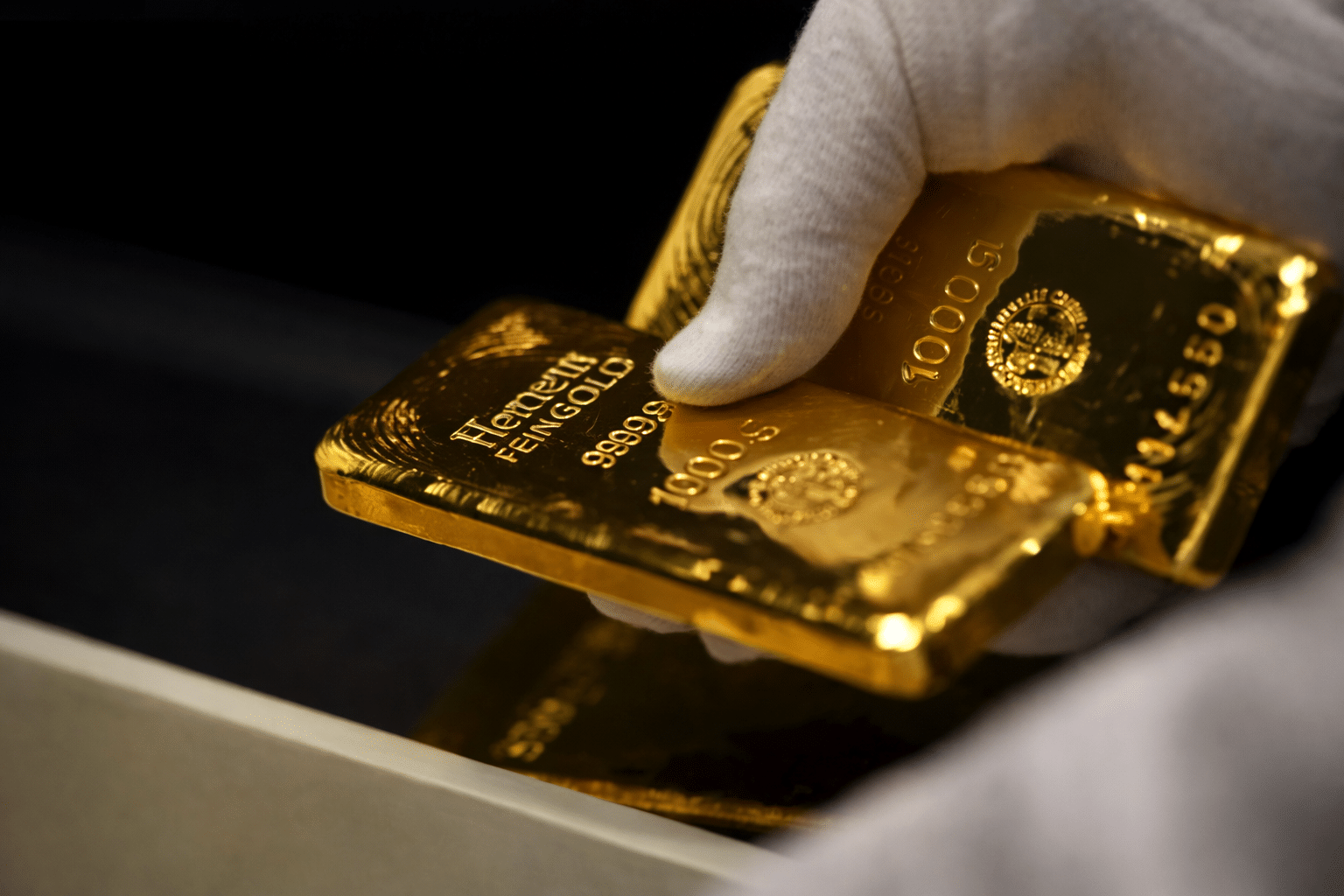
Gold prices pulled back modestly after four consecutive days of gains, as liquidity improved with the return of Asian market participants. Spot gold slipped from recent highs, trading near the $2,300 per ounce level, as traders locked in profits and reassessed macroeconomic drivers. The retreat comes amid stable U.S. Treasury yields and a slightly stronger dollar, both of which tend to pressure non-yielding assets such as bullion.
Dollar Strength and Yield Dynamics
The recent consolidation in gold coincides with a rebound in the U.S. dollar index and firming short-term Treasury yields. As gold is priced in dollars, currency appreciation makes the metal more expensive for non-dollar buyers, dampening demand. Additionally, higher real yields reduce the relative attractiveness of holding bullion, which does not generate interest income.
Market-implied expectations for Federal Reserve rate cuts have shifted in recent weeks, contributing to volatility in both bond and precious metal markets. Any recalibration of rate expectations tends to feed directly into gold pricing models.
Asian Demand and Physical Flows
The return of Asian traders, particularly from key consuming markets such as China and India, often influences short-term price direction. Physical demand trends, including central bank purchases and jewelry consumption, remain structural pillars of the gold market.
Recent data from the World Gold Council has shown continued central bank accumulation globally, providing underlying support. However, short-term price action is typically driven more by financial flows and ETF positioning than by physical buying alone.
Geopolitical and Inflation Considerations
Gold continues to benefit from its role as a hedge against geopolitical uncertainty and inflation risks. Ongoing tensions in various regions and persistent inflation concerns have kept investor allocations elevated relative to historical averages. For Israeli investors, gold exposure—whether through global ETFs or commodity-linked instruments—often serves as a portfolio diversifier amid currency and equity volatility.
Looking ahead, traders will monitor upcoming U.S. inflation data, Federal Reserve communications, and global geopolitical developments. If real yields remain contained and inflation proves sticky, gold could regain upward momentum. Conversely, sustained dollar strength and easing risk sentiment may limit further gains in the near term.
Comparison, examination, and analysis between investment houses
Leave your details, and an expert from our team will get back to you as soon as possible
* This article, in whole or in part, does not contain any promise of investment returns, nor does it constitute professional advice to make investments in any particular field.
To read more about the full disclaimer, click here
- sagi habasov
- •
- 5 Min Read
- •
- ago 9 minutes
SKN | FTSE 100 Retreats: Banks Drag Index Lower Amid AI Concerns and Global Spillovers
The FTSE 100 slipped as financials came under pressure, with banks among the heaviest fallers. Investor sentiment was dampened
- ago 9 minutes
- •
- 5 Min Read
The FTSE 100 slipped as financials came under pressure, with banks among the heaviest fallers. Investor sentiment was dampened

- omer bar
- •
- 5 Min Read
- •
- ago 3 hours
SKN | Oil Firms as Markets Reassess Iran Nuclear Deal Prospects
Oil prices moved modestly higher as traders weighed the evolving outlook for a potential revival of the Iran nuclear agreement.
- ago 3 hours
- •
- 5 Min Read

Oil prices moved modestly higher as traders weighed the evolving outlook for a potential revival of the Iran nuclear agreement.

- orshu
- •
- 6 Min Read
- •
- ago 6 hours
SKN | Tel Aviv Markets Show Mixed Performance as Bond and Equity Flows Remain Active
The Tel Aviv stock market opened for trading on February 24, 2026, showing a mix of modest gains and losses
- ago 6 hours
- •
- 6 Min Read

The Tel Aviv stock market opened for trading on February 24, 2026, showing a mix of modest gains and losses
- orshu
- •
- 8 Min Read
- •
- ago 10 hours
SKN | Global Markets Recap: February 23, 2026 Performance Highlights and Outlook for February 24
Global markets experienced a turbulent session on February 23, 2026, as investors reacted to geopolitical tensions, trade policy uncertainty, and
- ago 10 hours
- •
- 8 Min Read

Global markets experienced a turbulent session on February 23, 2026, as investors reacted to geopolitical tensions, trade policy uncertainty, and

