


- omer bar
- •
- 6 Min Read
- •
- 6 days ago
Key Points
- Dollar Index rose to 97.89 amid renewed tariff escalation concerns.
- FedEx lawsuit underscores financial fallout from overturned duties.
- Geopolitical tensions and potential FX intervention add to volatility.
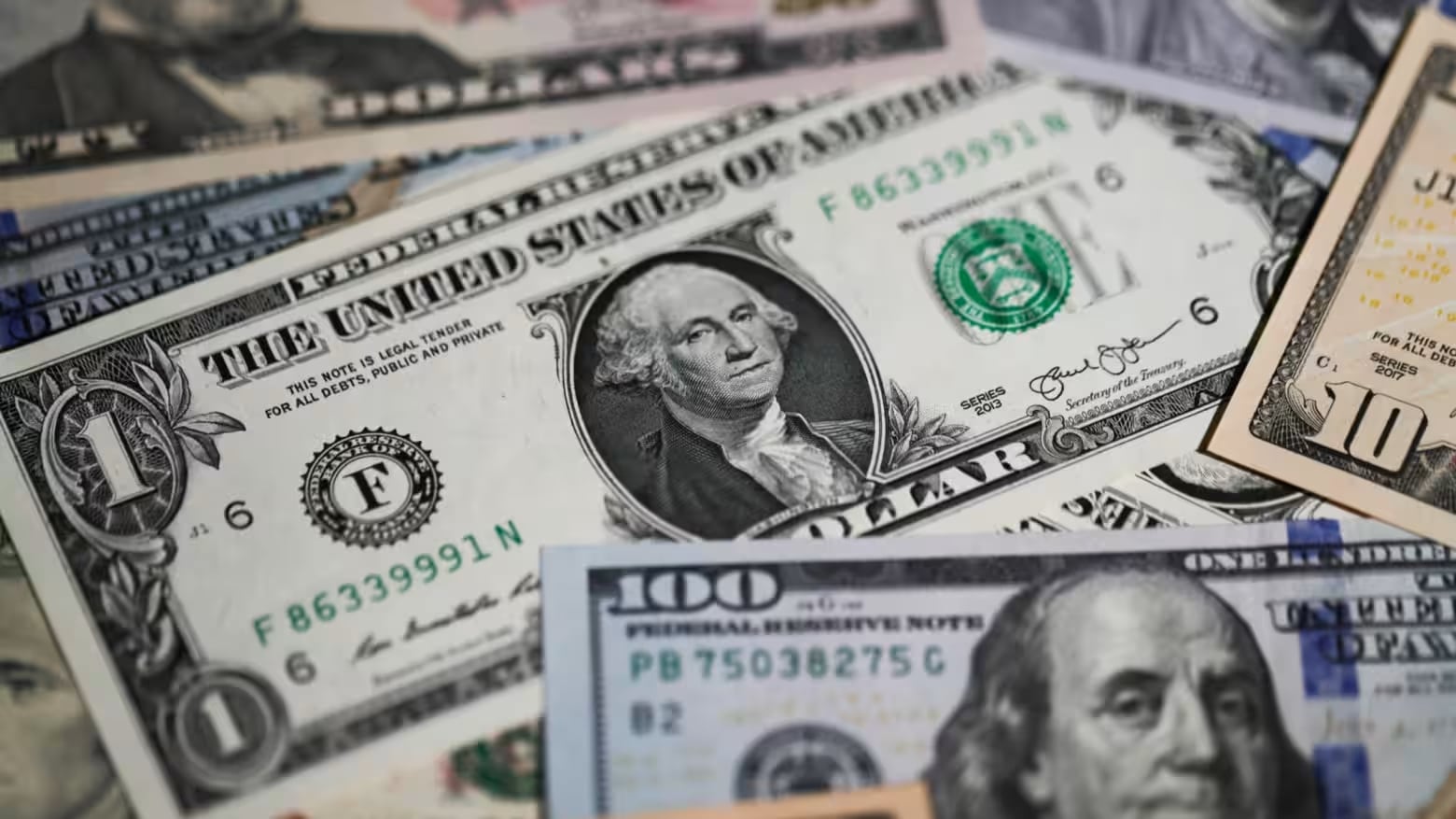
The U.S. dollar regained ground Tuesday, with the Dollar Index climbing above 97.8 after weakness in the prior session, as investors reassessed mounting trade-policy uncertainty and geopolitical risk. While markets initially reacted to the Supreme Court’s invalidation of emergency tariffs with optimism, renewed escalation rhetoric from President Donald Trump has revived caution. The rebound in the greenback underscores how quickly currency flows can pivot when trade clarity fades.
Trade Policy Whiplash Drives Currency Volatility
The Dollar Index (DXY) rose to 97.8862 on February 24, 2026, up 0.19% on the day. The move reflects renewed defensive positioning as tariff uncertainty clouds global growth expectations. Over the weekend, Trump threatened to raise baseline global tariffs from 10% to 15% in response to the court’s ruling and warned that countries renegotiating trade terms could face steeper penalties.
Adding to the complexity, FedEx filed a lawsuit seeking a refund of duties paid under the overturned tariff regime. The case highlights the legal and financial fallout that may follow policy reversals. For currency markets, such developments amplify uncertainty around capital flows, corporate costs, and the durability of trade agreements.
Although major trading partners have thus far honored existing deals, the risk of renegotiation or retaliatory measures remains a lingering overhang. Historically, episodes of trade friction tend to favor the dollar in the short term, particularly when global growth expectations soften relative to the U.S. economy.
Performance Context and Structural Trends
On a monthly basis, the dollar has strengthened 0.87%, suggesting modest resilience despite choppy headlines. However, over the past 12 months the greenback remains down 7.92%, reflecting a broader recalibration as global rate differentials narrowed and risk appetite periodically improved.
The longer-term context is instructive. The dollar’s all-time high of 164.72, recorded in February 1985, came during a markedly different monetary regime. Today’s currency dynamics are shaped more by fiscal positioning, global capital mobility, and central bank coordination than by unilateral policy shocks.
Nevertheless, near-term movements remain sensitive to shifts in tariff frameworks, Federal Reserve expectations, and geopolitical risk premiums.
Geopolitics and Intervention Signals in Focus
Beyond trade tensions, markets are watching renewed U.S.-Iran talks scheduled for Thursday, with energy markets and safe-haven assets reacting to shifting Middle East dynamics. Meanwhile, Japanese media reports suggested U.S. authorities may have been involved in rate checks aimed at stabilizing the yen last month — a reminder that currency intervention narratives can further complicate foreign-exchange flows.
The interplay between geopolitical risk and monetary policy expectations remains central. Should tariff escalation dampen growth prospects, investors may anticipate a more accommodative Federal Reserve stance, which could cap sustained dollar strength. Conversely, persistent global uncertainty could continue channeling capital toward U.S. assets.
Looking ahead, the dollar’s direction will hinge on whether trade rhetoric translates into concrete policy changes and whether geopolitical negotiations reduce or amplify systemic risk. For now, the rebound above 97.8 signals defensive positioning rather than a decisive trend reversal, with volatility likely to persist as legal, political, and macroeconomic variables converge.
Comparison, examination, and analysis between investment houses
Leave your details, and an expert from our team will get back to you as soon as possible
* This article, in whole or in part, does not contain any promise of investment returns, nor does it constitute professional advice to make investments in any particular field.
To read more about the full disclaimer, click here
- Arik Arkadi Sluzki
- •
- 7 Min Read
- •
- ago 2 minutes
SKN | Dollar Surges as Traders Price in War Risk: Safe-Haven Demand Reshapes Global FX Markets
The U.S. dollar strengthened significantly as traders repositioned portfolios in response to escalating geopolitical tensions and the potential economic fallout
- ago 2 minutes
- •
- 7 Min Read
The U.S. dollar strengthened significantly as traders repositioned portfolios in response to escalating geopolitical tensions and the potential economic fallout

- omer bar
- •
- 7 Min Read
- •
- ago 7 days
SKN | Are Treasury Bears Regaining Control as Deficit Risks and Fed Signals Shift Bond Momentum?
Momentum in the $31 trillion US Treasury market is tilting back toward bond bears as a combination of fiscal uncertainty,
- ago 7 days
- •
- 7 Min Read
Momentum in the $31 trillion US Treasury market is tilting back toward bond bears as a combination of fiscal uncertainty,

- sagi habasov
- •
- 7 Min Read
- •
- ago 2 weeks
SKN | Treasury Yields Edge Higher Ahead of Fed Minutes: Will Policymakers Signal a Shift?
U.S. Treasury yields ticked higher as investors positioned cautiously ahead of the Federal Reserve’s January meeting minutes, due for release
- ago 2 weeks
- •
- 7 Min Read
U.S. Treasury yields ticked higher as investors positioned cautiously ahead of the Federal Reserve’s January meeting minutes, due for release
- sagi habasov
- •
- 6 Min Read
- •
- ago 2 weeks
SKN | Stocks and Bonds Drift in Holiday-Thinned Trade: What the Muted Volatility Signals for Global Investors
Stocks and bonds moved within narrow but uneven ranges as holiday-thinned trading reduced liquidity across major financial centers. With
- ago 2 weeks
- •
- 6 Min Read

Stocks and bonds moved within narrow but uneven ranges as holiday-thinned trading reduced liquidity across major financial centers. With

