


- orshu
- •
- 6 Min Read
- •
- 21 minutes ago
Key Points
- The CBOE Volatility Index (VIX) surged 13.21% to 21.61 on February 23, signaling a sharp rise in short-term hedging demand.
- The move pushes the VIX decisively above the 20 threshold, often viewed as a pivot point between calm and elevated risk conditions.
- Options markets are pricing in greater uncertainty despite the absence of broad-based panic selling.
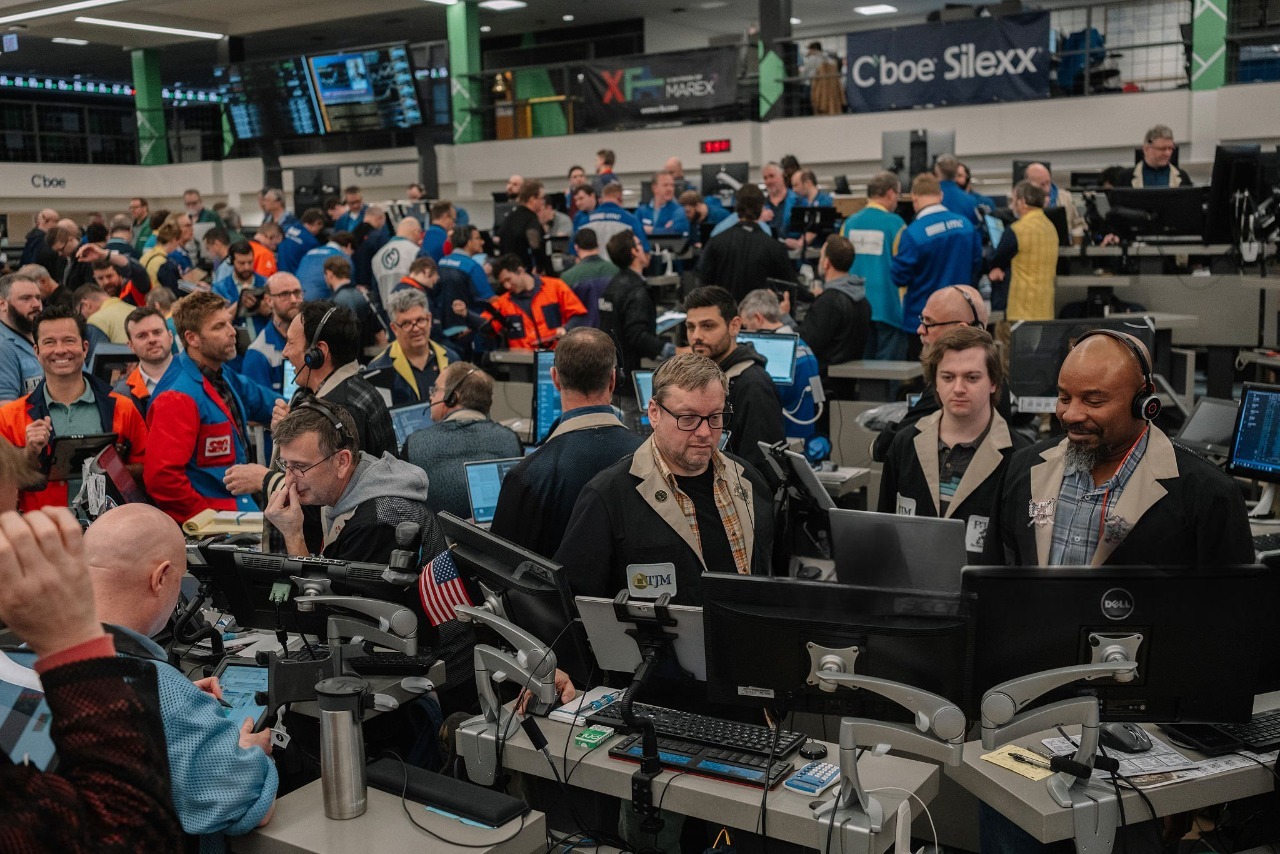
Wall Street’s fear gauge moved sharply higher on February 23, with the CBOE Volatility Index climbing to 21.61, up 2.52 points on the session. The spike reflects a material shift in investor positioning, as traders increased protective hedges amid rising macroeconomic and geopolitical uncertainty.
Breaking Above 20: Why the Threshold Matters
The VIX, which measures implied volatility in S&P 500 options, is widely viewed as a barometer of investor sentiment. A reading below 20 typically signals stable market conditions, while sustained levels above that threshold indicate heightened caution. At 21.61, the index has entered a zone historically associated with increased short-term equity swings.
The session’s trading range between 19.50 and 22.04 underscores active repositioning rather than panic. Volatility remained controlled relative to crisis periods, but the magnitude of the daily percentage increase suggests a recalibration of risk expectations.
Such moves often occur ahead of key economic releases, central bank commentary, or geopolitical developments. Market participants appear to be adjusting portfolios preemptively rather than reacting to a specific shock event.
Options Market Signals and Institutional Hedging
A double-digit percentage rise in the VIX typically reflects elevated demand for protective put options. Institutional investors often increase hedging activity when uncertainty surrounding earnings, interest rates, or policy direction intensifies.
The rise in implied volatility does not necessarily predict immediate equity declines. Instead, it signals that options traders expect wider price fluctuations. In some historical cases, elevated volatility has coincided with consolidation phases rather than outright corrections.
For portfolio managers globally, including Israeli institutional investors with significant U.S. exposure, volatility levels above 20 warrant closer monitoring of asset allocation strategies and correlation risks.
Macro Drivers and Market Implications
Several macro variables may be contributing to the volatility spike. Interest rate uncertainty remains a dominant theme, as investors assess the trajectory of inflation and the Federal Reserve’s policy stance. Elevated bond yields can pressure equity valuations, particularly in growth sectors.
Geopolitical tensions and global trade dynamics also continue to influence sentiment. Even absent a single triggering headline, cumulative uncertainty can amplify hedging demand.
Importantly, the VIX remains well below historical extremes seen during systemic crises. This suggests that markets are pricing in caution rather than systemic stress. Equity investors may interpret the move as an early warning sign rather than confirmation of a broader downturn.
Looking ahead, traders will watch whether the VIX sustains levels above 20 in coming sessions or retreats as uncertainty subsides. Persistent elevation could signal a transition toward a higher-volatility regime, potentially affecting sector rotation and capital flows. Risks include unexpected macroeconomic data, policy missteps, or geopolitical escalation. Opportunities may arise in defensive sectors or volatility-linked strategies if turbulence continues. Conversely, a rapid decline in the VIX could indicate renewed risk appetite and stabilization in equity markets. The next phase will depend on how quickly clarity emerges around monetary policy, earnings resilience, and global economic momentum.
Comparison, examination, and analysis between investment houses
Leave your details, and an expert from our team will get back to you as soon as possible
* This article, in whole or in part, does not contain any promise of investment returns, nor does it constitute professional advice to make investments in any particular field.
To read more about the full disclaimer, click here
- sagi habasov
- •
- 6 Min Read
- •
- ago 1 hour
SKN | Markets Slide as Trump’s 15% Tariff Shock Rekindles Trade Turbulence
U.S. equities opened the week under pressure as investors digested President Donald Trump’s decision to raise the baseline tariff on
- ago 1 hour
- •
- 6 Min Read
U.S. equities opened the week under pressure as investors digested President Donald Trump’s decision to raise the baseline tariff on

- orshu
- •
- 6 Min Read
- •
- ago 4 hours
SKN | European Markets Close Lower as DAX Slides 1.18% While Sterling and Euro Edge Higher
European equities closed lower on February 23, with Germany’s benchmark index leading regional declines. The session reflected cautious positioning
- ago 4 hours
- •
- 6 Min Read
European equities closed lower on February 23, with Germany’s benchmark index leading regional declines. The session reflected cautious positioning
- orshu
- •
- 7 Min Read
- •
- ago 6 hours
SKN | U.S. Stocks Trade Mixed as VIXS Jumps Above 20: Calm Before a Broader Volatility Spike?
U.S. markets opened February 23 with a cautious tone, as volatility picked up while major equity benchmarks showed mixed
- ago 6 hours
- •
- 7 Min Read
U.S. markets opened February 23 with a cautious tone, as volatility picked up while major equity benchmarks showed mixed
- orshu
- •
- 6 Min Read
- •
- ago 10 hours
SKN | Asia Markets Close Mixed on February 23, 2026 as Hang Seng Jumps 2.35% While Japan Slips; China and Tokyo Shut for Holidays
Asian markets ended February 23, 2026, on a mixed note as strong gains in Hong Kong and South Korea contrasted
- ago 10 hours
- •
- 6 Min Read

Asian markets ended February 23, 2026, on a mixed note as strong gains in Hong Kong and South Korea contrasted

