


- Articles
- •
- 7 Min Read
- •
- 1 hour ago
Key Points
- U.S. equity futures edged lower as investors assessed renewed tariff uncertainty linked to former President Donald Trump’s trade rhetoric.
- Treasury yields and the U.S. dollar remained relatively firm, reflecting cautious positioning across global markets.
- Upcoming Iran-US discussions added a geopolitical layer to an already fragile risk environment.
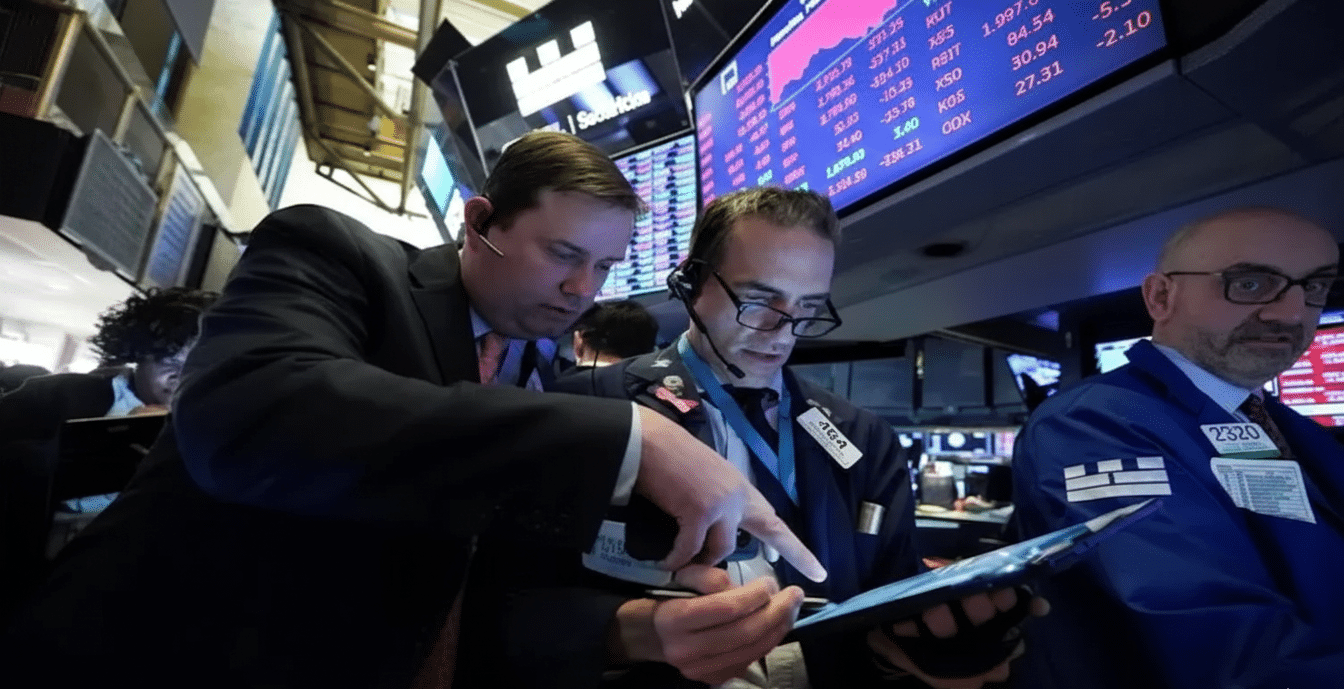
U.S. stock futures moved modestly lower in early trading, signaling a softer open for Wall Street as investors weighed the economic implications of renewed tariff tensions and looming geopolitical developments. Futures on the Dow Jones Industrial Average, S&P 500, and Nasdaq 100 slipped in pre-market trading, reflecting cautious sentiment after recent volatility tied to trade policy headlines. The pullback comes at a time when global markets are recalibrating expectations for growth, inflation, and central bank policy.
Tariff Rhetoric Resurfaces as Market Risk Factor
Renewed focus on potential tariffs, following public remarks by former President Donald Trump regarding expanded trade measures if re-elected, has reintroduced policy uncertainty into equity pricing. Markets remain sensitive to trade headlines given the historical impact of tariff escalations on supply chains, input costs, and corporate earnings guidance.
During the 2018–2019 U.S.-China trade dispute, heightened tariffs contributed to increased market volatility and periodic drawdowns in major indices. Investors now appear wary of a similar dynamic, particularly as inflation pressures remain a key macroeconomic concern. Additional tariffs could complicate the Federal Reserve’s inflation outlook by raising import costs, potentially delaying or reshaping interest rate expectations.
For export-oriented sectors and multinational technology companies, renewed trade friction represents a tangible risk. Nasdaq futures, typically more sensitive to global supply chain dynamics, reflected that caution in early trading.
Geopolitics in Focus: Iran-US Talks on Deck
Beyond trade policy, geopolitical developments are also commanding attention. Scheduled discussions between Iran and the United States have the potential to influence energy markets, particularly crude oil prices, which have shown sensitivity to Middle East tensions in recent years.
Any signals pointing toward de-escalation could ease pressure on oil benchmarks, helping moderate inflation expectations. Conversely, stalled talks or heightened rhetoric may support crude prices, reinforcing energy-sector volatility and feeding through to broader equity indices.
For Israeli investors, geopolitical shifts in the region carry both direct and indirect implications. Energy pricing, defense-sector activity, and currency movements can all transmit regional developments into local capital markets, including the Tel Aviv Stock Exchange. As such, cross-market correlations remain a critical consideration for diversified portfolios.
Macro Backdrop and Cross-Asset Signals
Treasury yields held relatively steady in early trading, suggesting that bond investors are not yet pricing in a significant macroeconomic shift. The U.S. dollar also maintained a firm tone against major currencies, reinforcing the view that global investors are positioning defensively rather than aggressively rotating into risk assets.
The S&P 500 and Dow futures’ modest declines reflect consolidation rather than panic selling. However, elevated valuations in certain growth sectors leave markets more vulnerable to policy surprises. With earnings season approaching and macro data releases on inflation and employment ahead, volatility could re-emerge quickly if narratives shift.
Investors will be closely monitoring official statements related to trade policy, progress or setbacks in Iran-US negotiations, and incoming economic data that could alter Federal Reserve rate expectations. The interaction between geopolitics, trade policy, and monetary tightening remains central to the near-term outlook. Should tariff rhetoric intensify or geopolitical tensions escalate, defensive sectors and safe-haven assets may attract incremental flows. Conversely, clarity and de-escalation on both fronts could stabilize sentiment and support a renewed risk bid across global equity markets.
Comparison, examination, and analysis between investment houses
Leave your details, and an expert from our team will get back to you as soon as possible
* This article, in whole or in part, does not contain any promise of investment returns, nor does it constitute professional advice to make investments in any particular field.
To read more about the full disclaimer, click here
- Ronny Mor
- •
- 6 Min Read
- •
- ago 2 minutes
SKN | Can the Creator Economy Survive the AI Content Flood?
The creator economy is under increasing scrutiny as AI-generated content floods digital platforms, reshaping how audiences consume and monetize media.
- ago 2 minutes
- •
- 6 Min Read

The creator economy is under increasing scrutiny as AI-generated content floods digital platforms, reshaping how audiences consume and monetize media.

- sagi habasov
- •
- 8 Min Read
- •
- ago 2 hours
SKN | Asian Markets Open Mixed on February 23 as Investors Navigate Holiday-Thinned Liquidity and Diverging Equity Signals
Asian financial markets opened Monday, February 23, with a mixed tone as investors assessed regional equity performance amid holiday-related trading
- ago 2 hours
- •
- 8 Min Read

Asian financial markets opened Monday, February 23, with a mixed tone as investors assessed regional equity performance amid holiday-related trading

- Lior mor
- •
- 6 Min Read
- •
- ago 4 hours
SKN | Can Nvidia Earnings and Tariff Escalation Redefine Market Direction This Week?
A pivotal week awaits global markets as investors confront a rare convergence of corporate catalysts, geopolitical tension, and renewed trade-policy
- ago 4 hours
- •
- 6 Min Read
A pivotal week awaits global markets as investors confront a rare convergence of corporate catalysts, geopolitical tension, and renewed trade-policy

- omer bar
- •
- 6 Min Read
- •
- ago 13 hours
SKN | Can the TA-35 Maintain Its Upward Momentum After Surging Near 52-Week Highs?
The Tel Aviv 35 Index exhibited notable strength this week, securing a solid 1.48% advance to close at 4,232.11 by
- ago 13 hours
- •
- 6 Min Read

The Tel Aviv 35 Index exhibited notable strength this week, securing a solid 1.48% advance to close at 4,232.11 by

