


- Lior mor
- •
- 7 Min Read
- •
- 6 hours ago
Key Points
- US and Iran resume nuclear talks in Geneva amid military buildup and deadlines.
- Dispute over uranium enrichment remains the primary obstacle to agreement.
- Outcome could significantly influence oil prices and broader market volatility.
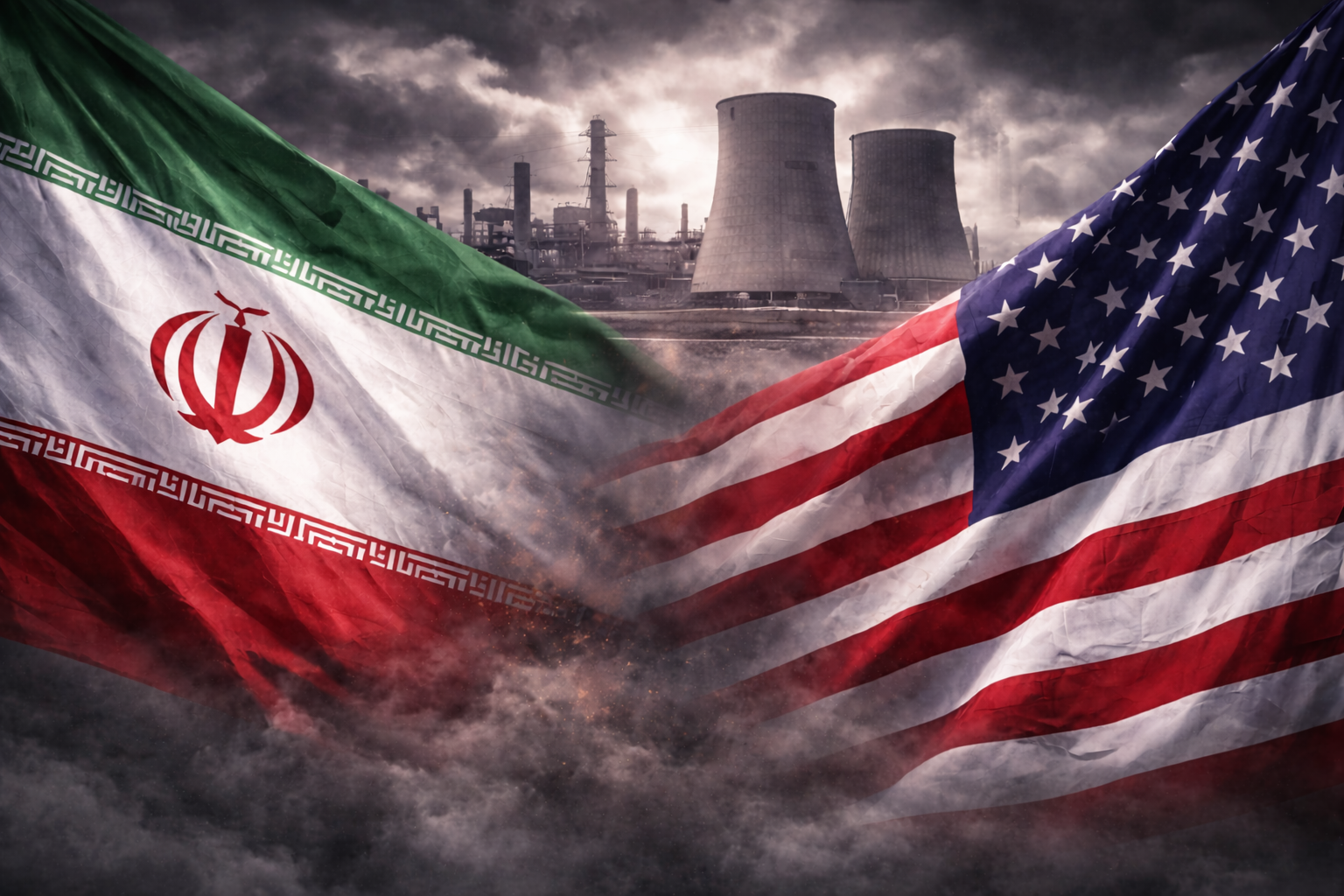
The United States and Iran are set to resume nuclear negotiations in Geneva on Feb. 26, with Omani mediators signaling a renewed diplomatic push to finalize a deal. The talks come against the backdrop of a significant US military buildup in the Middle East and increasingly explicit warnings from President Donald Trump that Tehran faces a narrowing window for agreement. Markets are closely watching the outcome, as energy prices, regional stability, and global risk sentiment hinge on whether diplomacy prevails over escalation.
Diplomacy Under Pressure
Iranian Foreign Minister Abbas Araghchi confirmed he expects to meet US special envoy Steve Witkoff in Geneva, expressing optimism that a “win-win” solution remains achievable. Omani Foreign Minister Badr Albusaidi described the upcoming session as an opportunity to “go the extra mile” toward finalizing an agreement, suggesting momentum has not entirely stalled.
However, Washington’s public stance complicates the tone. President Trump recently indicated he is considering limited strikes should talks fail, while setting a deadline of roughly 10 to 15 days. The US has deployed two aircraft carriers and additional military assets to the region, the largest buildup in years, reinforcing the credibility of potential action.
The central sticking point remains uranium enrichment. Witkoff has stated that “zero enrichment” would be a non-negotiable US condition, while Tehran insists enrichment is its sovereign right and that its program is peaceful. These conflicting positions illustrate how far apart the sides remain on core principles, even as negotiators search for technical compromises.
Market and Energy Implications
For financial markets, the talks intersect directly with commodity pricing and geopolitical risk premiums. Oil has rallied in recent weeks amid fears that conflict could disrupt flows through the Strait of Hormuz, a vital chokepoint for global petroleum shipments. A diplomatic breakthrough could ease upward pressure on energy prices, while a breakdown might amplify volatility across crude, equities, and currencies.
Beyond energy, the International Atomic Energy Agency’s board meeting on March 2 introduces another layer of risk. Diplomats may consider censuring Iran or referring the issue to the United Nations Security Council, potentially escalating sanctions or diplomatic isolation.
Additionally, reports that Iran agreed to a €500 million arms deal with Russia underscore the broader geopolitical entanglements influencing negotiations. Such developments could harden positions in Washington and complicate consensus-building in Geneva.
Strategic Stakes and Forward Outlook
The current environment reflects a delicate balance between coercive leverage and diplomatic engagement. While military signaling may strengthen the US bargaining position, it also raises the cost of miscalculation. For Iran, securing sanctions relief and economic stability remains a powerful incentive, yet domestic political considerations constrain flexibility.
Investors and policymakers alike will focus on whether negotiators can draft a framework that narrows the enrichment dispute while satisfying verification demands. Even a limited interim agreement could reduce immediate conflict risk and temper commodity volatility.
If talks collapse, however, the region faces renewed instability with potential spillovers into global markets. As deadlines converge and rhetoric intensifies, Geneva represents more than another diplomatic round — it is a pivotal moment in determining whether 2026 is shaped by negotiated containment or escalating confrontation.
Comparison, examination, and analysis between investment houses
Leave your details, and an expert from our team will get back to you as soon as possible
* This article, in whole or in part, does not contain any promise of investment returns, nor does it constitute professional advice to make investments in any particular field.
To read more about the full disclaimer, click here
- Lior mor
- •
- 5 Min Read
- •
- ago 2 minutes
SKN | Supreme Court Ruling Against Tariffs: Can Trump Outmaneuver China on the Road to the Beijing Summit?
The U.S. Supreme Court has dealt a significant blow to Trump’s trade policy by nullifying his sweeping tariffs. While Beijing
- ago 2 minutes
- •
- 5 Min Read
The U.S. Supreme Court has dealt a significant blow to Trump’s trade policy by nullifying his sweeping tariffs. While Beijing

- omer bar
- •
- 7 Min Read
- •
- ago 11 hours
SKN | Will Trump’s Warning to Netflix Escalate Corporate-Political Tensions on Wall Street?
Former President Donald Trump’s call for Netflix to remove board member Susan Rice — or “pay the consequences” — adds
- ago 11 hours
- •
- 7 Min Read
Former President Donald Trump’s call for Netflix to remove board member Susan Rice — or “pay the consequences” — adds

- sagi habasov
- •
- 8 Min Read
- •
- ago 5 days
SKN | Trump Administration Backs Prediction Markets: Will Kalshi and Polymarket Override State Gambling Laws?
The Trump administration has stepped into a high-stakes legal battle between federal regulators and state authorities, throwing its support behind
- ago 5 days
- •
- 8 Min Read
The Trump administration has stepped into a high-stakes legal battle between federal regulators and state authorities, throwing its support behind

- Ronny Mor
- •
- 7 Min Read
- •
- ago 5 days
SKN | $36 Billion Strategic Shift: Japan Commits Major US Investment Under Trump-Era Agreement
Japan is preparing to invest approximately $36 billion in US projects under a bilateral economic arrangement originally structured during the
- ago 5 days
- •
- 7 Min Read
Japan is preparing to invest approximately $36 billion in US projects under a bilateral economic arrangement originally structured during the

