


- Lior mor
- •
- 7 Min Read
- •
- 16 minutes ago
Key Points
- Oil could spike $10–$15 per barrel if U.S.–Iran tensions escalate into sustained conflict.
- Up to 9% of global oil demand is structurally exposed via the Strait of Hormuz.
- Markets remain cautious, balancing diplomatic signals against visible military buildup.
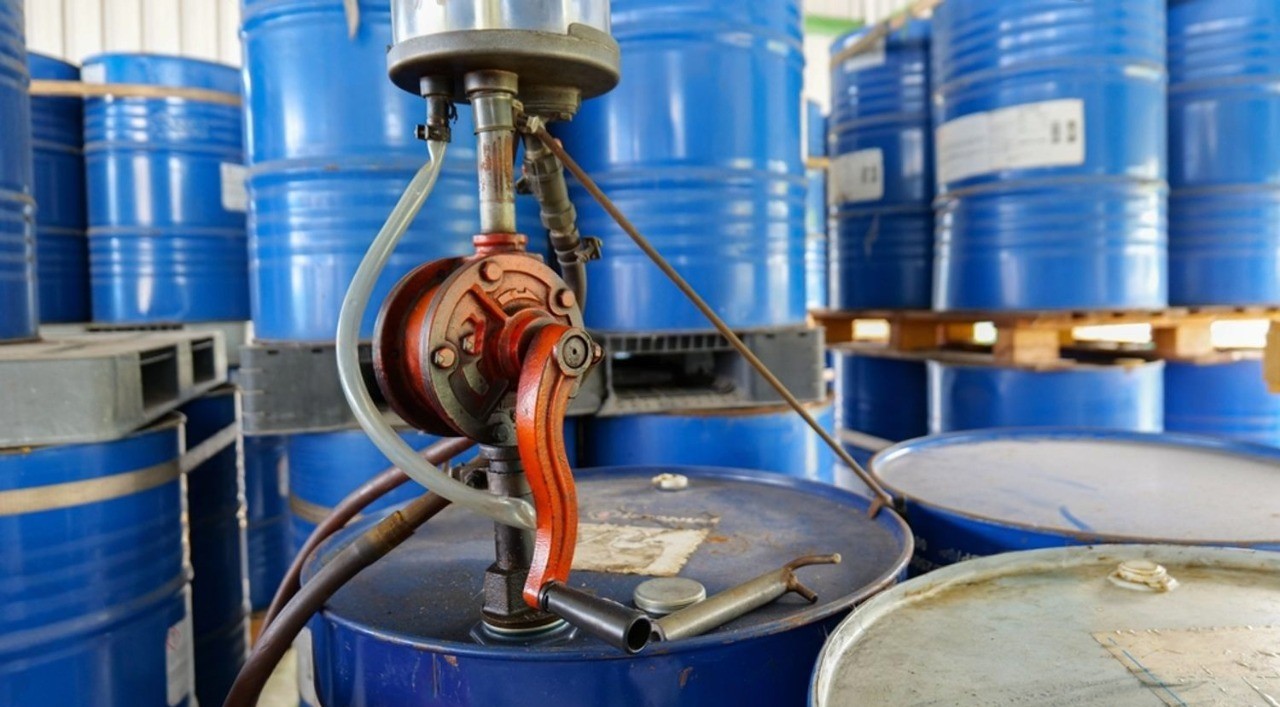
Oil markets are once again pricing in geopolitical risk as tensions between the United States and Iran intensify. Brent crude has climbed above $71 per barrel, while West Texas Intermediate trades near $66.50, marking the highest levels since last summer. The key question facing investors is whether current diplomatic brinkmanship escalates into direct military action — and how aggressively energy markets would respond.
Recent comments from U.S. officials and visible military deployments in the region have raised the probability of conflict in traders’ models. Prediction markets now assign roughly a 56% chance of U.S. strikes before the end of March. Yet price action remains measured, suggesting investors are not fully pricing in a sustained disruption — at least not yet.
From Diplomatic Uncertainty to Military Risk Premium
Talks between Washington and Tehran over uranium enrichment limits have shown tentative progress, with Iranian officials referencing a “general agreement” on guiding principles. However, parallel military buildups — including a second U.S. aircraft carrier in Middle Eastern waters — have elevated the geopolitical risk premium embedded in crude prices.
According to Rystad Energy’s geopolitical analysis, a limited and targeted strike could trigger a swift $10 per barrel spike before prices normalize. A broader or prolonged campaign, particularly if it provokes retaliation against regional oil infrastructure, could drive a more durable increase of up to $15 per barrel.
Such a move would mirror price behavior observed during the brief Iran–Israel confrontation in mid-2025, when oil initially rose 4% before surging more than 10% following airstrikes. Markets tend to reprice rapidly when rhetoric translates into kinetic action.
The Strait of Hormuz: The Structural Vulnerability
Iran holds the world’s third-largest proven crude reserves and ranks among the top global producers. Yet the greater market sensitivity lies not in Iranian production itself but in the Strait of Hormuz — one of the world’s most critical oil transit chokepoints.
Approximately 20 million barrels per day of petroleum products pass through the strait. Even with alternative pipeline dispersion, energy intelligence firm Kpler estimates that roughly 9 million barrels per day — about 9% of global oil demand — would remain structurally at risk if sustained interference occurred.
Although Iran has historically threatened to close the strait during periods of heightened tension, it has never fully done so, partly because the route is essential to its own exports. Analysts broadly consider a full closure unlikely but acknowledge that even temporary disruption could ignite sharp volatility.
Political Constraints and Market Psychology
The domestic political calendar adds complexity. With U.S. midterm elections approaching and inflation sensitivity high among voters, a sharp spike in gasoline prices would carry political costs. Some analysts argue this reduces the probability of a prolonged campaign, favoring limited operations if any.
Truist’s chief investment strategist has cautioned investors against overreacting to geopolitical headlines, noting that such events often generate short-lived price spikes rather than sustained trends unless supply fundamentals materially change.
Still, oil is currently trading in an elevated but stable range, reflecting a market in wait-and-see mode. If diplomacy prevails and sanctions ease, analysts estimate prices could fall roughly $5 per barrel as geopolitical risk premiums unwind. Conversely, any sustained military escalation would likely force a rapid repricing higher.
For investors in both U.S. and global markets, the next 10 days may prove pivotal. Energy equities, inflation expectations, and currency markets will all respond swiftly if tensions cross the line from rhetoric to action.
Comparison, examination, and analysis between investment houses
Leave your details, and an expert from our team will get back to you as soon as possible
* This article, in whole or in part, does not contain any promise of investment returns, nor does it constitute professional advice to make investments in any particular field.
To read more about the full disclaimer, click here
- orshu
- •
- 6 Min Read
- •
- ago 2 hours
SKN | Oil Surges to Six-Month High as US-Iran Tensions Rekindle Supply Risk Premium
Oil prices climbed to their highest level in six months as renewed tensions between the United States and Iran
- ago 2 hours
- •
- 6 Min Read
Oil prices climbed to their highest level in six months as renewed tensions between the United States and Iran
- orshu
- •
- 7 Min Read
- •
- ago 10 hours
SKN | Gold Recaptures $5,000: Is the Fed’s Rate Path the Next Catalyst for Bullion?
Gold has surged back above the psychologically critical $5,000 per ounce level, extending a sharp rebound after a volatile start
- ago 10 hours
- •
- 7 Min Read
Gold has surged back above the psychologically critical $5,000 per ounce level, extending a sharp rebound after a volatile start
- orshu
- •
- 6 Min Read
- •
- ago 13 hours
SKN | U.S. Urges Iran to ‘Make a Deal’ as Naval Drills With Russia Raise Oil Market Fears
The Trump administration has intensified its rhetoric toward Tehran, warning that Iran would be “very wise” to strike a deal
- ago 13 hours
- •
- 6 Min Read
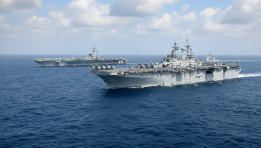
The Trump administration has intensified its rhetoric toward Tehran, warning that Iran would be “very wise” to strike a deal
- orshu
- •
- 6 Min Read
- •
- ago 16 hours
SKN | Oil Extends Gains as Iran Tensions Escalate — Is $70 Crude Back in Sight?
WTI crude oil futures advanced to approximately $65.5 per barrel on Thursday, building on the strongest single-session gain since late
- ago 16 hours
- •
- 6 Min Read

WTI crude oil futures advanced to approximately $65.5 per barrel on Thursday, building on the strongest single-session gain since late

