


- sagi habasov
- •
- 7 Min Read
- •
- 4 minutes ago
Key Points
- Apple is accelerating development of AI-powered smart glasses, a wearable pendant and camera-equipped AirPods.
- The strategy centers on contextual Siri integration, shifting AI interaction beyond the iPhone screen.
- Success will depend on execution in AI software, ecosystem integration and competitive positioning against Meta and OpenAI.
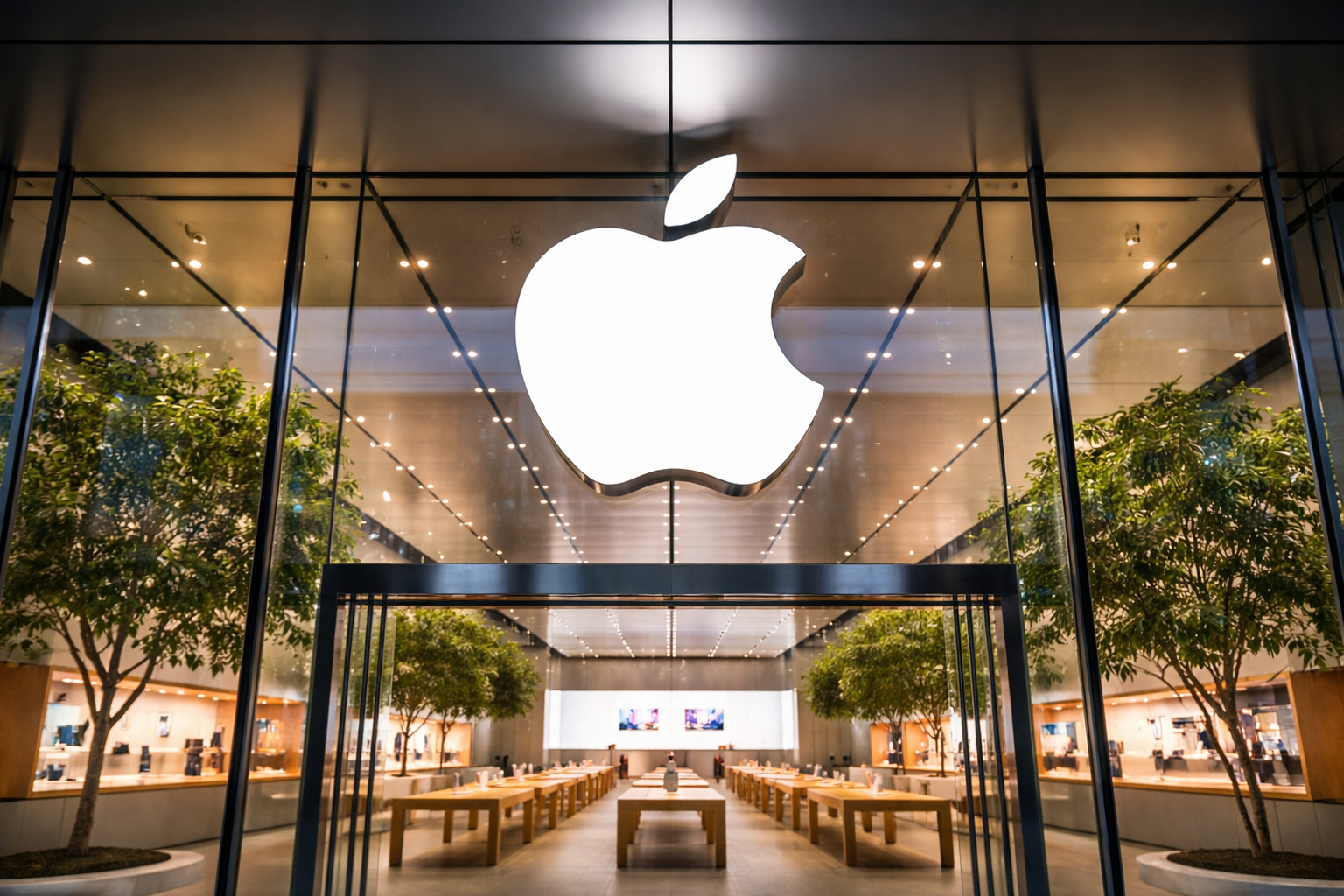
Apple is accelerating development of three new wearable devices — smart glasses, a camera-enabled pendant and upgraded AirPods — in a strategic pivot toward artificial intelligence-powered hardware. The move signals a broader shift in Cupertino’s long-term roadmap as the company seeks to reposition itself at the center of the emerging AI-device ecosystem, where rivals such as Meta and OpenAI are already staking claims.
The initiative reflects growing recognition that AI may gradually migrate from smartphone screens to ambient, always-on devices. For Apple, whose iPhone remains its profit engine, the transition presents both a risk and an opportunity: defend the ecosystem while redefining how users interact with digital assistants.
Smart Glasses: Apple’s Premium Bet on AI Context
The most advanced of the three products is a pair of smart glasses, internally code-named N50. Unlike the Vision Pro headset, which struggled to achieve mainstream adoption due to its high price and niche use case, the glasses are envisioned as an everyday companion.
Equipped with dual cameras — one high-resolution lens and another dedicated to computer vision — the glasses would allow Siri to interpret real-world context. Rather than relying solely on voice commands, the assistant could analyze surroundings, read printed text, recognize landmarks and offer contextual reminders. The goal is frictionless interaction: glance at an event poster and have it added to a calendar; look at grocery shelves and receive prompts tied to a shopping list.
Production could begin as early as December, targeting a 2027 release. Apple aims to differentiate the device through premium materials, proprietary frame designs and advanced camera systems — competing directly with Meta’s camera-equipped eyewear while emphasizing build quality and ecosystem integration.
The Pendant and AI AirPods: Expanding the Interface
Not every user will want to wear glasses, and Apple appears keen to address that reality. The company is exploring a pendant device — essentially an always-on camera and microphone accessory for the iPhone — designed to serve as the phone’s “eyes and ears.” Unlike earlier AI pins from competitors, Apple’s concept relies heavily on the iPhone for processing power, reducing hardware complexity while deepening ecosystem dependence.
At the same time, camera-equipped AirPods are nearing launch, potentially as early as this year. These earbuds would integrate low-resolution cameras to enhance contextual awareness, supporting features such as real-time translation and environment-based Siri commands.
Collectively, the strategy signals Apple’s belief that AI will be peripheral-first, not screen-first. Rather than replacing the iPhone, these devices would extend its capabilities into daily life, reinforcing customer lock-in.
Strategic Implications in a Competitive Landscape
Apple’s renewed hardware push comes amid mounting competitive pressure. Meta’s AI glasses have gained traction, and OpenAI — working with former Apple design chief Jony Ive — is reportedly developing its own wearable devices. Meanwhile, Apple’s delayed Siri upgrades have exposed execution challenges in generative AI.
Investors briefly pushed Apple shares up 2.7% on reports of the expanded wearable pipeline, suggesting cautious optimism. Yet the company’s success will hinge on solving core AI integration issues and delivering intuitive, privacy-conscious experiences — a key concern for users in both the U.S. and Israel, where data governance remains a strategic focus.
If Apple can transform Siri into a true contextual assistant embedded across wearables, it may redefine its ecosystem for the AI era. Failure, however, could leave the company trailing in a market where hardware innovation increasingly depends on software intelligence.
Comparison, examination, and analysis between investment houses
Leave your details, and an expert from our team will get back to you as soon as possible
* This article, in whole or in part, does not contain any promise of investment returns, nor does it constitute professional advice to make investments in any particular field.
To read more about the full disclaimer, click here
- omer bar
- •
- 7 Min Read
- •
- ago 1 minute
SKN | Is Oracle a Once-in-a-Decade Opportunity — or Just Another AI Trade at Full Valuation?
Oracle Corporation (NYSE: ORCL) has reemerged as a central player in the global AI infrastructure race, delivering a sharp
- ago 1 minute
- •
- 7 Min Read

Oracle Corporation (NYSE: ORCL) has reemerged as a central player in the global AI infrastructure race, delivering a sharp

- sagi habasov
- •
- 7 Min Read
- •
- ago 4 hours
SKN | Apple Accelerates AI Wearables Push – A New Growth Engine Beyond the iPhone?
Apple Inc. is intensifying efforts to integrate artificial intelligence into its wearable product lineup, marking a strategic shift as
- ago 4 hours
- •
- 7 Min Read
Apple Inc. is intensifying efforts to integrate artificial intelligence into its wearable product lineup, marking a strategic shift as

- Lior mor
- •
- 7 Min Read
- •
- ago 1 day
SKN | Can Nexperia’s $60 Million State-Backed Loan Reinforce Europe’s Semiconductor Strategy?
Dutch semiconductor manufacturer Nexperia is set to receive a $60 million loan from state-owned development financier Invest International, a move
- ago 1 day
- •
- 7 Min Read

Dutch semiconductor manufacturer Nexperia is set to receive a $60 million loan from state-owned development financier Invest International, a move
- sagi habasov
- •
- 7 Min Read
- •
- ago 1 day
SKN | SpaceX Enters Pentagon Autonomous Drone Contest: A New Defense-Tech Frontier?
SpaceX is reportedly set to compete in a U.S. Department of Defense contest aimed at accelerating the development of
- ago 1 day
- •
- 7 Min Read

SpaceX is reportedly set to compete in a U.S. Department of Defense contest aimed at accelerating the development of

