


- Ronny Mor
- •
- 8 Min Read
- •
- 19 minutes ago
Key Points
- The Reserve Bank of Australia lifted its cash rate in February but emphasized there is no predetermined path for future moves.
- Policymakers remain focused on inflation persistence, wage growth, and global financial conditions.
- Markets are recalibrating expectations for further tightening, with implications for bonds, equities, and the Australian dollar.
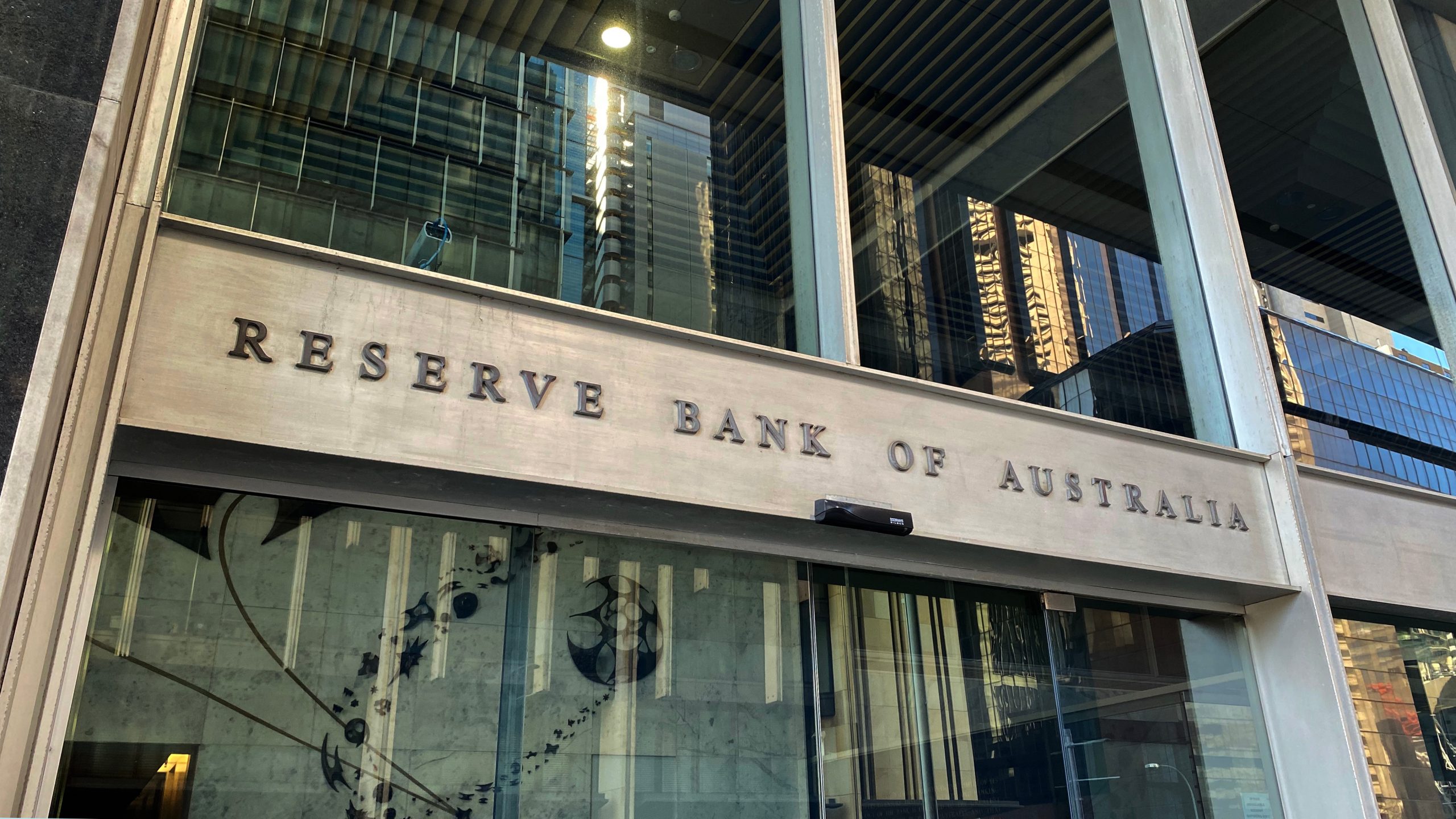
The Reserve Bank of Australia (RBA) delivered a rate hike at its February meeting, reinforcing its commitment to returning inflation to target, but stressed that future policy decisions are not on a fixed trajectory. The central bank’s message underscores ongoing uncertainty in the inflation outlook and highlights a data-dependent approach. For global and Israeli investors, Australia’s monetary stance is increasingly relevant as it intersects with broader global rate dynamics and commodity-linked growth trends.
A Data-Driven Approach After February’s Tightening
In February, the RBA raised its benchmark cash rate, extending a tightening cycle aimed at curbing inflation that has remained above the central bank’s 2–3 percent target band. While inflation has moderated from its peak, core price pressures and services inflation remain elevated, according to recent official data releases.
Crucially, the RBA refrained from signaling a clear forward path. Policymakers indicated that further adjustments would depend on incoming economic data, including quarterly inflation figures, labor market conditions, and household consumption trends. Australia’s labor market has remained relatively tight, with unemployment near multi-year lows in recent readings, supporting wage growth but also posing upside risks to inflation persistence.
By avoiding firm forward guidance, the RBA joins a broader cohort of central banks that are shifting from explicit tightening bias toward conditional flexibility. This recalibration reflects global uncertainties, including China’s growth trajectory, commodity price volatility, and evolving financial conditions in the United States and Europe.
Market Reaction: Bonds, Currency, and Equities
Australian government bond yields initially firmed following the February decision, reflecting expectations that policy could remain restrictive for longer. However, the absence of a clearly hawkish path tempered more aggressive repricing. Rate futures markets now imply a more cautious trajectory, with investors weighing the possibility that the February hike could represent either a pause before further tightening or the final move of the cycle, depending on inflation data.
The Australian dollar has shown measured volatility in response to shifting rate expectations. As a commodity-linked currency, it is influenced not only by domestic monetary policy but also by demand trends in Asia, particularly China. For Israeli institutional investors with exposure to global bond and currency markets, Australia’s stance adds another layer to portfolio diversification considerations within developed-market fixed income.
Equity markets have reacted in a differentiated manner. Financial stocks may benefit from higher net interest margins in a higher-rate environment, while interest-sensitive sectors such as real estate and consumer discretionary face continued pressure if borrowing costs remain elevated. The broader ASX indices have reflected this sector rotation dynamic in recent sessions.
Strategic Implications in a Global Context
Australia’s policy direction holds broader macro significance. As one of the major developed economies in the Asia-Pacific region, its rate settings influence capital flows, regional currency dynamics, and investor sentiment toward risk assets. The RBA’s flexible stance also mirrors the cautious tone adopted by other central banks that are balancing inflation risks against signs of moderating growth.
For global allocators, including Israeli pension funds and asset managers, the evolving Australian rate outlook affects sovereign bond spreads, credit pricing, and cross-border yield differentials. In an environment where U.S. Federal Reserve policy remains a dominant driver of global liquidity conditions, the RBA’s independence in pacing its tightening cycle highlights the fragmentation of global monetary policy paths.
Outlook: Inflation Data and Global Conditions in Focus
Looking ahead, the trajectory of Australian monetary policy will hinge on upcoming inflation releases, wage growth data, and indicators of household demand resilience. A renewed acceleration in price pressures could prompt further tightening, while clearer evidence of disinflation may allow the RBA to pause for an extended period.
Investors should also monitor external factors, including commodity prices, China’s economic momentum, and global bond market volatility. In a world of diverging central bank strategies, the RBA’s data-driven flexibility suggests that policy uncertainty will remain a defining feature of Australia’s macro landscape in the months ahead.
Comparison, examination, and analysis between investment houses
Leave your details, and an expert from our team will get back to you as soon as possible
* This article, in whole or in part, does not contain any promise of investment returns, nor does it constitute professional advice to make investments in any particular field.
To read more about the full disclaimer, click here
- Ronny Mor
- •
- 6 Min Read
- •
- ago 5 hours
SKN | Gold and Silver Edge Lower Ahead of Key Economic Data: Is Volatility Set to Return?
Gold and silver prices retreated modestly at the start of the week as investors adopted a cautious stance ahead
- ago 5 hours
- •
- 6 Min Read

Gold and silver prices retreated modestly at the start of the week as investors adopted a cautious stance ahead

- Arik Arkadi Sluzki
- •
- 7 Min Read
- •
- ago 6 hours
SKN | Is AI’s Labor Market Disruption Overstated? Economists Say the Impact Is Still Premature
Artificial intelligence has been widely portrayed as a transformative force capable of reshaping global employment. Yet several economists argue
- ago 6 hours
- •
- 7 Min Read

Artificial intelligence has been widely portrayed as a transformative force capable of reshaping global employment. Yet several economists argue

- omer bar
- •
- 7 Min Read
- •
- ago 14 hours
SKN | Japan PM Takaichi Meets BOJ Governor Ueda as Markets Price In Fresh Rate Hike
Japan’s monetary policy outlook is back in sharp focus as Prime Minister Sanae Takaichi meets Bank of Japan Governor Kazuo
- ago 14 hours
- •
- 7 Min Read

Japan’s monetary policy outlook is back in sharp focus as Prime Minister Sanae Takaichi meets Bank of Japan Governor Kazuo

- orshu
- •
- 6 Min Read
- •
- ago 3 days
SKN | Oil Edges Higher as U.S. Inflation Optimism Counters OPEC Supply Uncertainty
Oil prices settled slightly higher as markets balanced improving U.S. inflation data against persistent uncertainty over OPEC supply decisions.
- ago 3 days
- •
- 6 Min Read

Oil prices settled slightly higher as markets balanced improving U.S. inflation data against persistent uncertainty over OPEC supply decisions.

