


- Lior mor
- •
- 6 Min Read
- •
- 24 minutes ago
Key Points
- Brent hovered near $68 per barrel while WTI traded around $63 amid thin holiday liquidity.
- Iran conducted naval drills near the Strait of Hormuz ahead of renewed nuclear talks with the US in Geneva.
- Markets remain torn between geopolitical risk premiums and concerns over softening global demand forecasts.
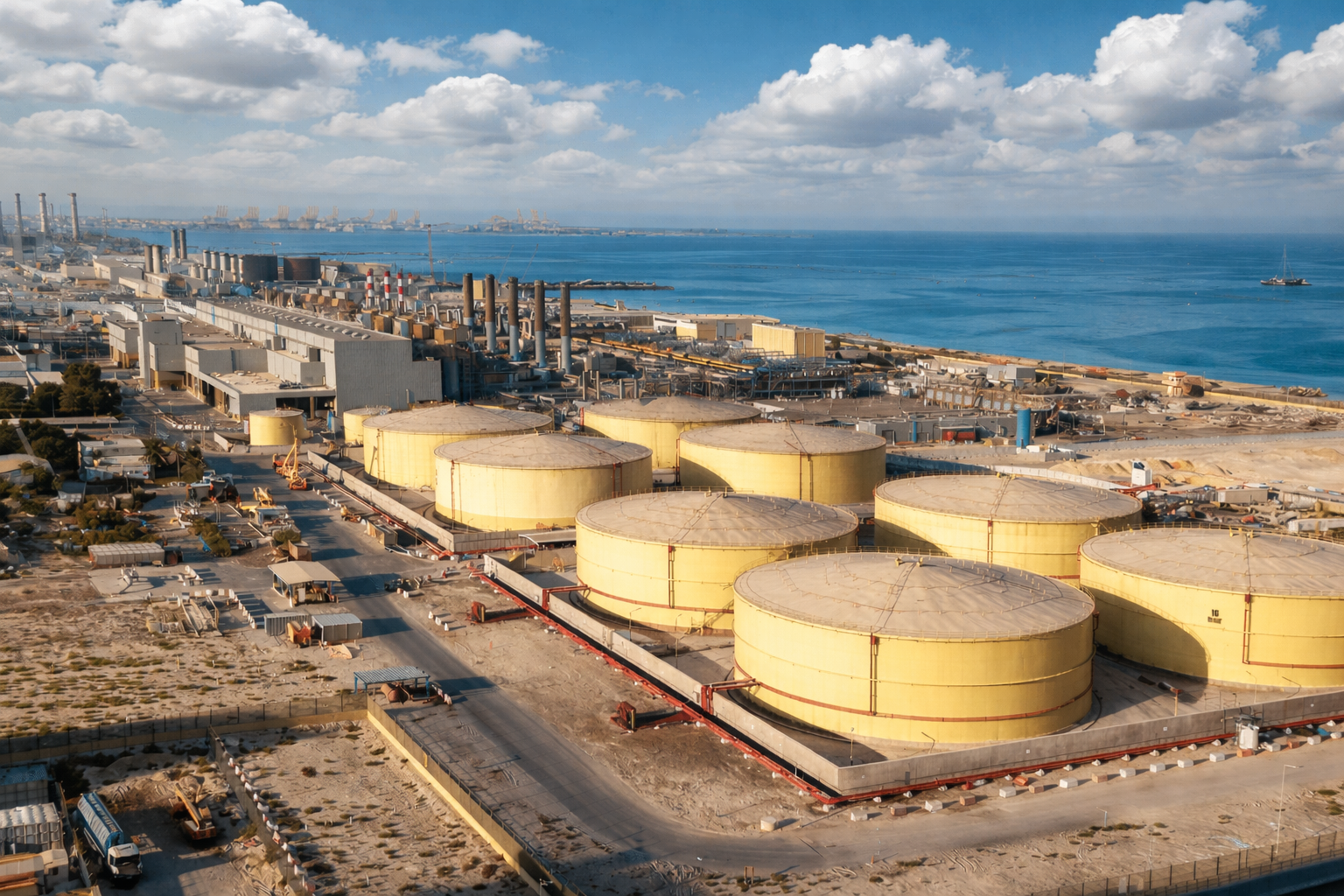
Oil prices oscillated between gains and losses as traders weighed escalating geopolitical tensions against the prospect of renewed diplomacy between Washington and Tehran. Brent crude traded close to $68 a barrel following its first consecutive weekly decline this year, while West Texas Intermediate hovered near $63. The volatility reflects a market caught between headline-driven risk and underlying supply-demand recalibration.
Iran’s Revolutionary Guard launched naval drills in the region of the Strait of Hormuz, a chokepoint that carries roughly one-fifth of global crude shipments. The exercises come just days before US-Iran negotiations are set to resume in Geneva, injecting fresh uncertainty into a market already navigating fragile sentiment.
Geopolitical Risk Premium Faces a Diplomatic Test
President Donald Trump intensified rhetoric late last week, stating that regime change would be the optimal outcome for Iran, a comment that heightened diplomatic tension ahead of Tuesday’s talks. Military maneuvers near critical energy infrastructure naturally raise fears of disruption, particularly in a region responsible for roughly a third of global oil output.
Earlier this year, crude rallied more than 10% as investors priced in the possibility of supply interruptions. However, the risk of an imminent military strike has since diminished, prompting some unwinding of the geopolitical premium embedded in futures. Analysts suggest that if tensions de-escalate meaningfully, Brent could retrace toward the $60 level or below.
The market’s sensitivity to political signals underscores how quickly sentiment can pivot. Energy traders remain acutely aware that even temporary disruptions in Hormuz would have outsized global consequences, amplifying volatility across energy derivatives and freight markets.
Demand Outlook and IEA Forecasts Weigh on Momentum
Offsetting geopolitical concerns are softer demand expectations. The International Energy Agency recently trimmed its global oil demand growth forecast, reinforcing concerns about a potential surplus later this year. While OPEC+ members have signaled flexibility in managing output, structural oversupply risks continue to temper bullish enthusiasm.
Simultaneously, US-led discussions aimed at ending the war in Ukraine introduce another layer of uncertainty. Although a swift resolution appears unlikely, any credible progress could eventually pave the way for a partial return of Russian barrels to global markets, further influencing supply dynamics.
Thin liquidity conditions due to US and Canadian holidays, alongside China’s week-long Lunar New Year break, have exacerbated price swings. Reduced trading volumes often magnify directional moves, even in the absence of substantive shifts in fundamentals.
Market at an Inflection Point
At present, oil appears range-bound, awaiting clarity from Geneva. Traders are balancing two competing narratives: the immediate threat of supply disruption versus the medium-term possibility of easing geopolitical tension and moderating demand growth.
Should negotiations produce even incremental diplomatic progress, downside pressure could accelerate as speculative long positions unwind. Conversely, any escalation—military or rhetorical—would likely reignite a sharp risk premium, particularly in Brent spreads and Middle East-linked grades.
For investors and policymakers alike, the coming days may prove pivotal. Energy markets are once again demonstrating how geopolitics can overshadow fundamentals, but structural supply-demand balances ultimately dictate longer-term pricing trajectories.
Comparison, examination, and analysis between investment houses
Leave your details, and an expert from our team will get back to you as soon as possible
* This article, in whole or in part, does not contain any promise of investment returns, nor does it constitute professional advice to make investments in any particular field.
To read more about the full disclaimer, click here
- Ronny Mor
- •
- 6 Min Read
- •
- ago 2 hours
SKN | Industrial Metals Steady as Lunar New Year Pause Masks Inventory Surge Risks
Industrial metals began the week on a subdued note, with liquidity thinned by Lunar New Year holidays across Asia and
- ago 2 hours
- •
- 6 Min Read

Industrial metals began the week on a subdued note, with liquidity thinned by Lunar New Year holidays across Asia and

- orshu
- •
- 7 Min Read
- •
- ago 12 hours
SKN | Why Are US Natural Gas Prices Sliding to Four-Month Lows Despite Tight Inventories?
US natural gas futures tumbled to around $3.02 per MMBtu, marking their lowest level in four months, as traders reacted
- ago 12 hours
- •
- 7 Min Read

US natural gas futures tumbled to around $3.02 per MMBtu, marking their lowest level in four months, as traders reacted
- orshu
- •
- 7 Min Read
- •
- ago 12 hours
SKN | Is Gold’s Pullback Below $5,000 a Pause Before the Next Rally?
Gold retreated below the psychologically critical $5,000-an-ounce threshold as investors booked profits after a sharp rebound driven by softer U.S.
- ago 12 hours
- •
- 7 Min Read

Gold retreated below the psychologically critical $5,000-an-ounce threshold as investors booked profits after a sharp rebound driven by softer U.S.
- Ronny Mor
- •
- 8 Min Read
- •
- ago 16 hours
SKN | Oil Holds Steady as Geopolitical Risk Builds Ahead of Iran Nuclear Talks
Oil prices traded in a narrow range at the start of the week, with Brent crude hovering near the mid-$80
- ago 16 hours
- •
- 8 Min Read

Oil prices traded in a narrow range at the start of the week, with Brent crude hovering near the mid-$80

