


- Lior mor
- •
- 6 Min Read
- •
- 5 hours ago
Key Points
- Ford and General Motors are expanding into energy storage solutions, intensifying competition with Tesla’s energy division.
- Automakers are leveraging EV battery expertise to diversify revenue beyond vehicle sales.
- Energy storage offers long-term growth potential but introduces capital intensity and margin uncertainty.
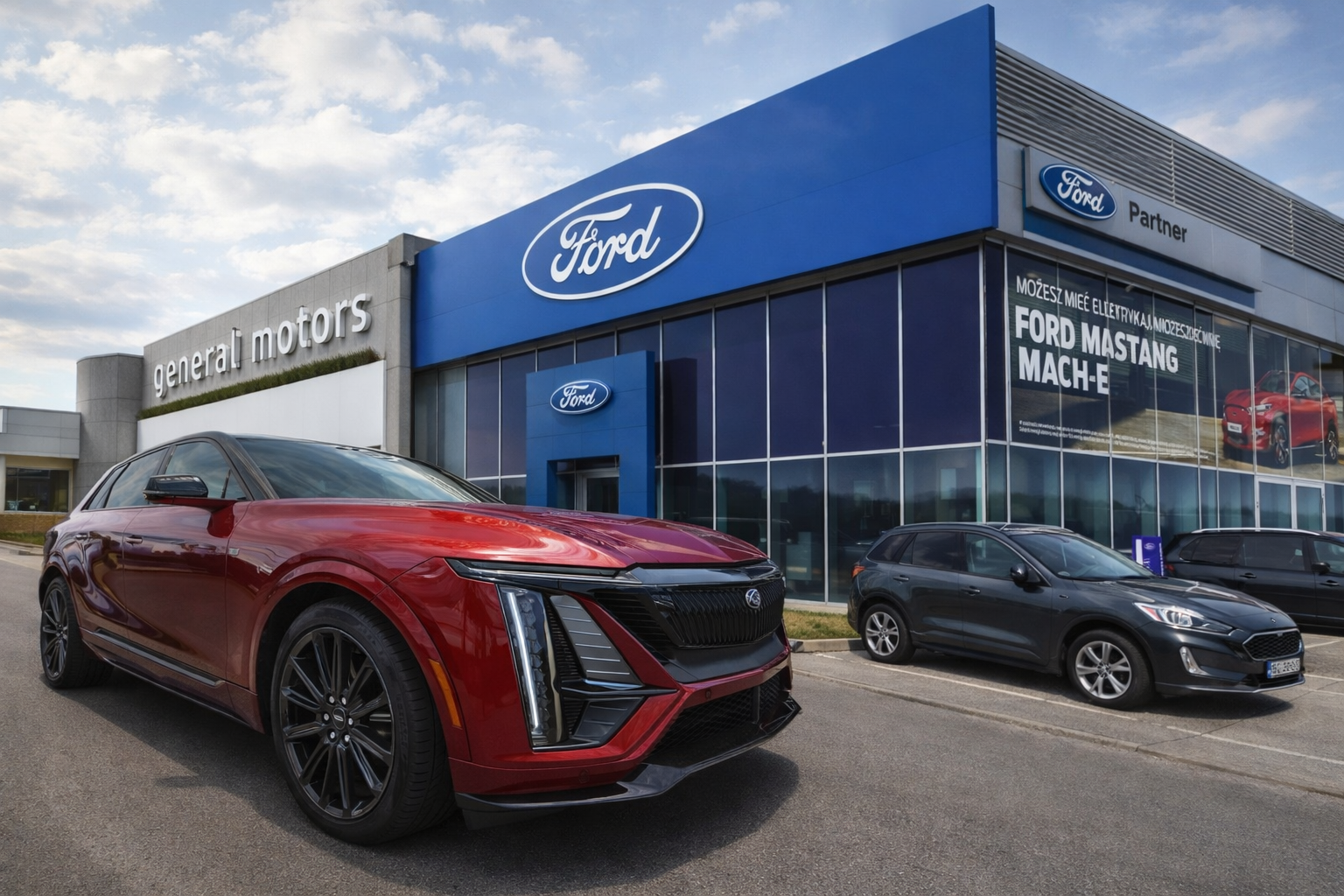
Ford Motor Co. and General Motors are accelerating their push into stationary energy storage, signaling that the race for electrification now extends beyond electric vehicles. The move places both legacy automakers in more direct competition with Tesla, whose energy generation and storage segment has become an increasingly visible contributor to growth.
As global demand for renewable energy integration rises, battery storage systems are emerging as a critical infrastructure layer. For investors, this strategic expansion represents both a diversification effort and a test of execution discipline in a capital-intensive segment.
From EV Batteries to Grid Storage
Ford and GM have spent billions developing battery supply chains to support their electric vehicle ambitions. Repurposing this technological expertise into stationary storage systems allows them to extend battery lifecycle value while tapping into growing demand from utilities, commercial facilities, and residential customers.
Energy storage plays a central role in balancing intermittent renewable sources such as solar and wind. As governments across North America and Europe incentivize decarbonization, grid-scale and distributed storage deployments are expected to expand. By entering this segment, Ford and GM position themselves to participate in a broader electrification ecosystem rather than relying solely on vehicle volumes.
For Israeli institutional investors monitoring global infrastructure and clean energy exposure, the expansion reflects an evolving convergence between automotive manufacturing and energy technology sectors.
Competitive Landscape: Tesla’s Early-Mover Advantage
Tesla established an early presence in energy storage through products such as Megapack and Powerwall, with deployments supporting utility-scale projects and residential markets. Its vertically integrated battery strategy has enabled cost efficiencies and brand recognition in the storage segment.
Ford and GM face the challenge of competing against this established footprint. However, both companies can leverage dealer networks, commercial fleet relationships, and manufacturing scale to accelerate adoption.
The competitive dynamic may not be purely zero-sum. Global energy storage demand is projected to grow significantly over the coming decade, potentially accommodating multiple large-scale players. Still, pricing discipline and supply chain resilience will determine margin durability.
Financial Implications and Strategic Diversification
Entering energy storage offers potential revenue diversification at a time when EV profitability remains under pressure from pricing competition and supply chain adjustments. However, scaling storage manufacturing requires capital investment in facilities, software integration, and grid partnerships.
Margin structures in energy storage differ from automotive manufacturing, often depending on long-term contracts and service agreements. Investors will evaluate whether returns justify incremental capital deployment.
Additionally, policy support plays a pivotal role. U.S. incentives under clean energy legislation and European renewable mandates create structural tailwinds. Yet regulatory changes or subsidy reductions could alter return assumptions.
Looking ahead, market participants will monitor order backlog growth, battery cost trends, manufacturing scale efficiency, and partnerships with utilities. The ability of Ford and GM to convert automotive battery expertise into profitable energy solutions will shape investor perception of their long-term electrification strategies. If successful, this expansion could reduce cyclicality tied to vehicle demand and reposition legacy automakers as broader energy technology participants. Execution risks, however, remain central as the energy storage race intensifies globally.
Comparison, examination, and analysis between investment houses
Leave your details, and an expert from our team will get back to you as soon as possible
* This article, in whole or in part, does not contain any promise of investment returns, nor does it constitute professional advice to make investments in any particular field.
To read more about the full disclaimer, click here
- sagi habasov
- •
- 6 Min Read
- •
- ago 5 hours
SKN | Amazon’s $200 Billion AI Bet: Can Andy Jassy Reignite AWS Growth?
Amazon CEO Andy Jassy is doubling down on artificial intelligence, backing a multiyear capital expenditure plan that could reach
- ago 5 hours
- •
- 6 Min Read

Amazon CEO Andy Jassy is doubling down on artificial intelligence, backing a multiyear capital expenditure plan that could reach

- Arik Arkadi Sluzki
- •
- 6 Min Read
- •
- ago 6 hours
SKN | Warner Bros. Discovery Reopens Paramount Talks: Is Media Consolidation Back on the Table?
Warner Bros. Discovery is reportedly considering reopening talks involving Paramount Global, according to Bloomberg News, signaling that consolidation pressures
- ago 6 hours
- •
- 6 Min Read

Warner Bros. Discovery is reportedly considering reopening talks involving Paramount Global, according to Bloomberg News, signaling that consolidation pressures

- Lior mor
- •
- 6 Min Read
- •
- ago 7 hours
SKN | Uber Expands Into 7 New European Markets: Can Its Food Delivery Push Drive the Next Growth Leg?
Uber Technologies is expanding its food delivery footprint into seven additional European markets, signaling renewed ambition in a segment
- ago 7 hours
- •
- 6 Min Read

Uber Technologies is expanding its food delivery footprint into seven additional European markets, signaling renewed ambition in a segment
- Lior mor
- •
- 7 Min Read
- •
- ago 7 hours
SKN | Palantir Soars as AI Pure-Play: Can PLTR Sustain Its Premium After Truist Reaffirms Buy?
Palantir Technologies (PLTR) has emerged as one of the most closely watched artificial intelligence equities, with shares climbing sharply
- ago 7 hours
- •
- 7 Min Read

Palantir Technologies (PLTR) has emerged as one of the most closely watched artificial intelligence equities, with shares climbing sharply

