


- omer bar
- •
- 6 Min Read
- •
- 13 minutes ago
Key Points
- Pinterest’s upside potential may be constrained as large retailers scale back digital advertising spend.
- Wedbush highlights near-term monetization risks despite stable user engagement trends.
- The broader ad market remains selective, increasing pressure on platforms tied to retail demand cycles.

Pinterest may struggle to generate meaningful upside in the near term as some of the largest retail advertisers reduce spending, according to Wedbush. The caution comes at a time when digital advertising markets are becoming increasingly selective, forcing platforms to prove not just engagement strength but durable revenue growth.
Retail Advertising Pullback Weighs on Revenue Visibility
Wedbush analysts point to signs that top retail partners are becoming more conservative with advertising budgets, reflecting tighter inventory management and cautious consumer demand expectations. For Pinterest, which has meaningful exposure to retail and e-commerce advertisers, this pullback introduces uncertainty around near-term revenue acceleration.
Retailers often adjust marketing spend quickly in response to shifts in demand, making platforms with retail-heavy exposure more sensitive to economic cycles. Even modest reductions in campaign intensity can have an outsized impact on quarterly growth rates, particularly when comparisons tighten. This dynamic helps explain why investor focus has shifted toward revenue durability rather than headline user metrics.
Engagement Strength Meets Monetization Constraints
Pinterest continues to report relatively stable user engagement, a positive signal for long-term platform relevance. However, Wedbush argues that engagement alone is insufficient to drive upside without clearer evidence of accelerating monetization. Advertisers are increasingly prioritizing measurable return on ad spend, placing pressure on platforms to deliver performance-driven results.
While Pinterest has invested in shopping features and AI-driven ad tools, the pace at which these initiatives translate into higher average revenue per user remains under scrutiny. In a competitive digital ad environment dominated by larger platforms with extensive data ecosystems, smaller players face a narrower margin for execution error.
Market Reaction Reflects Broader Ad Sector Caution
The more cautious outlook for Pinterest aligns with broader trends across the digital advertising sector. As macro uncertainty persists, brands are reallocating budgets toward channels that offer immediate performance visibility. This has benefited some large-scale platforms while leaving others exposed to cyclical demand softness.
Equity markets have responded by applying tighter valuation frameworks to advertising-dependent technology stocks. For Pinterest, this means that even incremental guidance adjustments or commentary on advertiser behavior can trigger meaningful share price volatility. The Wedbush note underscores how quickly sentiment can shift when confidence in near-term revenue growth weakens.
For global investors, including those in Israel with exposure to U.S. internet and technology equities, the situation highlights the importance of understanding advertiser mix and revenue concentration. Platforms tied closely to retail demand may remain vulnerable until consumer spending trends show clearer signs of stabilization.
Looking ahead, investors will closely monitor advertiser demand trends, progress in performance-based ad products, and forward guidance to assess whether Pinterest can offset retail spending softness. Risks include prolonged budget restraint among large retailers and intensifying competition for ad dollars. Opportunities could emerge if monetization tools gain traction or if consumer demand improves, prompting retailers to reaccelerate marketing spend. For now, Wedbush’s caution reflects a market environment where visibility and execution matter more than long-term potential alone.
Comparison, examination, and analysis between investment houses
Leave your details, and an expert from our team will get back to you as soon as possible
* This article, in whole or in part, does not contain any promise of investment returns, nor does it constitute professional advice to make investments in any particular field.
To read more about the full disclaimer, click here
- Arik Arkadi Sluzki
- •
- 7 Min Read
- •
- ago 1 minute
SKN | SpaceX Weighs Dual-Class Shares Ahead of Potential IPO, Raising Governance Questions
SpaceX is exploring the use of a dual-class share structure in a future initial public offering, according to Bloomberg
- ago 1 minute
- •
- 7 Min Read
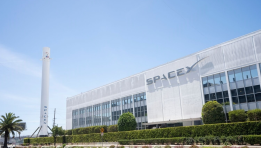
SpaceX is exploring the use of a dual-class share structure in a future initial public offering, according to Bloomberg

- Ronny Mor
- •
- 7 Min Read
- •
- ago 25 minutes
SKN | Rivian Rallies on Delivery Confidence as Pinterest Sinks, Exposing a Market Split on Growth Visibility
U.S. equities delivered a tale of two stocks as investors sharply re-priced outlook risk. Rivian Automotive jumped on renewed
- ago 25 minutes
- •
- 7 Min Read

U.S. equities delivered a tale of two stocks as investors sharply re-priced outlook risk. Rivian Automotive jumped on renewed

- orshu
- •
- 6 Min Read
- •
- ago 2 hours
SKN | Transocean Surges on Merger Momentum and Backlog Strength: Is Offshore Drilling Back in Focus?
Transocean Ltd. rallied sharply in U.S. trading, climbing more than 8% to $6.53, as investors reassessed the offshore driller’s
- ago 2 hours
- •
- 6 Min Read

Transocean Ltd. rallied sharply in U.S. trading, climbing more than 8% to $6.53, as investors reassessed the offshore driller’s

- omer bar
- •
- 6 Min Read
- •
- ago 2 hours
SKN | Can Verizon, AT&T and Liberty Latin America Navigate Margin Pressure in a Capital-Intensive 5G Era?
The Zacks Wireless National industry is confronting a challenging macroeconomic landscape marked by elevated infrastructure spending, geopolitical tensions and tariff-related
- ago 2 hours
- •
- 6 Min Read

The Zacks Wireless National industry is confronting a challenging macroeconomic landscape marked by elevated infrastructure spending, geopolitical tensions and tariff-related

