


- Ronny Mor
- •
- 7 Min Read
- •
- 5 hours ago
Key Points
- Oil prices slipped as geopolitical risks from U.S.–Iran tensions persisted but were tempered by bearish demand forecasts
- Rising global inventories are signaling oversupply pressure
- Prices expected to trade in a range until clearer demand or supply shifts emerge.
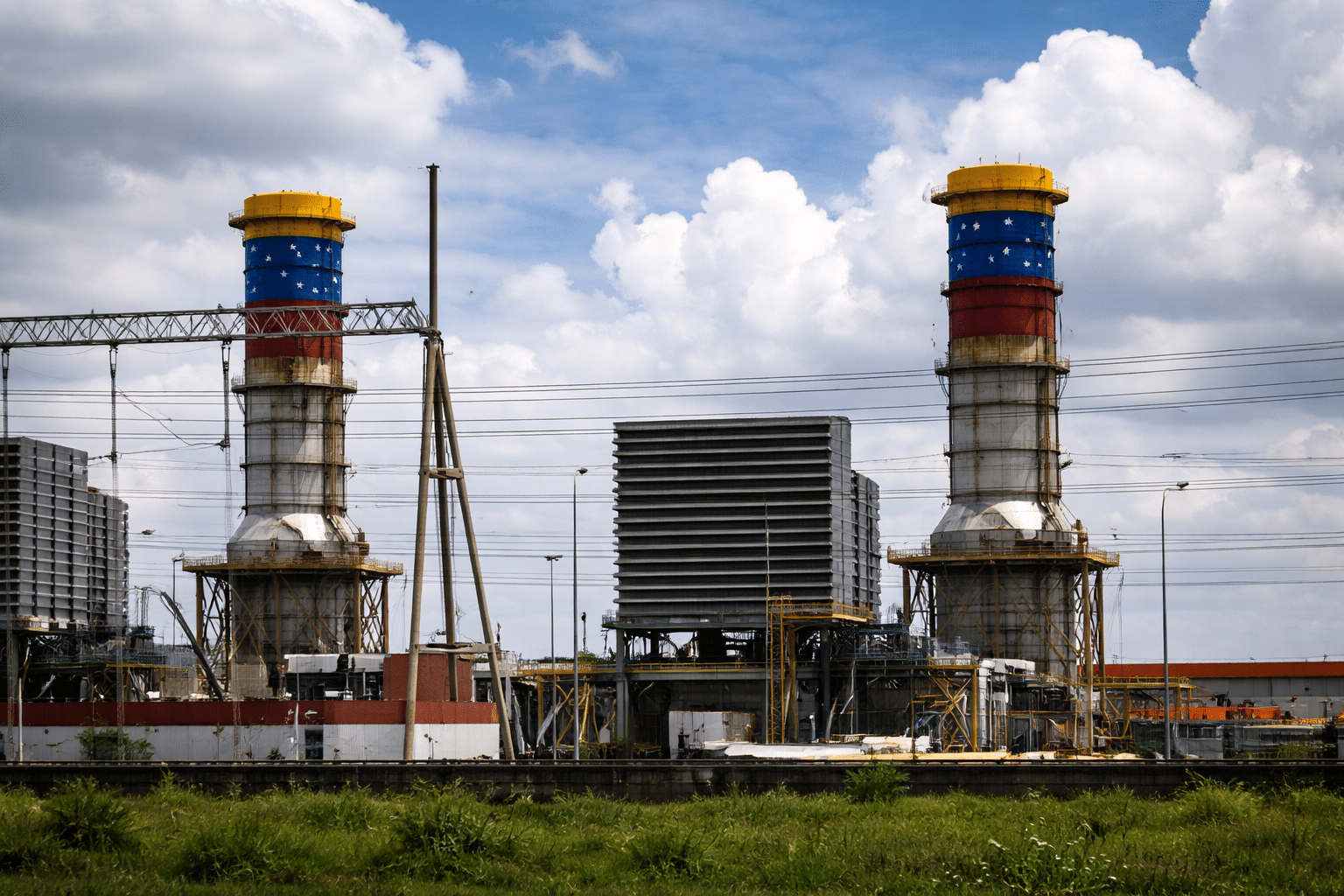
Oil markets dipped modestly on Thursday as traders balanced persistent geopolitical risk tied to U.S.–Iran relations with emerging signs of oversupply and slower demand growth. Brent crude edged lower toward the mid-$60s per barrel, while West Texas Intermediate (WTI) also slipped, reversing some early gains from midweek. The market’s behavior illustrates how geopolitical narratives and fundamental supply-demand dynamics are currently colliding, creating a tug-of-war for prices.
Geopolitical Risks Still Underpin Prices
Despite the pullback, uncertainty surrounding Iranian oil output continues to shape sentiment in crude markets. Traders have been pricing in a risk premium linked to potential supply disruptions stemming from rising U.S.–Iran tensions, including Washington’s consideration of additional naval deployments and tighter controls on oil shipments that could involve enforcement actions against Iranian crude tankers. Reports in recent days mentioned U.S. advisories for vessels to avoid Iranian territorial waters and ongoing diplomatic ambiguity after talks between U.S. President Donald Trump and Iranian officials over nuclear issues.
These geopolitical factors are particularly significant because Iran is a key oil producer whose exports transit through the Strait of Hormuz, a chokepoint for nearly one-fifth of global crude shipments. Any escalation that directly impacts this flow could have an outsized influence on global prices. Historical concerns about potential strait closures underscore the fragility of supply in the region and why traders remain attentive to any signs of escalation.
However, while tensions provide occasional support, most analysts see limited near-term upside unless a material escalation occurs. Geopolitical commentary suggests that adversarial rhetoric and posturing may add incremental risk premiums, but absent dramatic events such as open conflict or targeted strikes on energy infrastructure, gains are likely to remain capped.
Oversupply and Slower Demand Cloud Outlook
Counterbalancing the geopolitical narrative are signs that the global oil market is experiencing an oversupply environment. The International Energy Agency (IEA) recently reported that stockpiles built up at the fastest pace since 2020, as supply growth outpaced demand expansion. In parallel, the IEA trimmed its 2026 demand forecast by about 80,000 barrels per day, projecting slower consumption growth compared to prior expectations. Combined with elevated production from OPEC+ members and non-OPEC producers, these developments suggest a growing surplus that is weighing on prices.
In the U.S. specifically, weekly crude inventories grew sharply by more than 8.5 million barrels, further diluting price support and highlighting a current imbalance between supply and immediate consumption. This inventory build helped push WTI lower even as geopolitical risk narratives offered support.
The divergent signals — geopolitical risk premiums bolstering prices on one hand and surging inventories plus slower demand on the other — explain why oil has been trading within a defined range rather than breaking out in either direction.
Outlook: Range-Bound Dynamics but Volatility Ahead
Looking forward, oil prices are likely to remain range-bound unless a clear catalyst shifts the balance. On the upside, a significant escalation in U.S.–Iran relations — particularly any direct disruption to oil exports through the Strait of Hormuz — could reintroduce tighter physical market conditions. Conversely, further evidence of global oversupply or more bearish demand revisions from major forecasters like the IEA or OPEC could push prices lower.
Market watchers will also closely monitor upcoming macroeconomic data — especially Chinese demand trends around the Lunar New Year — and inventory reports from the U.S. Energy Information Administration (EIA), which may provide more context on the strength of consumption versus supply. As long as inventories remain elevated and demand growth remains tepid, even persistent geopolitical risk premiums may not be sufficient to drive sustained price rallies.
Key Points:
Comparison, examination, and analysis between investment houses
Leave your details, and an expert from our team will get back to you as soon as possible
* This article, in whole or in part, does not contain any promise of investment returns, nor does it constitute professional advice to make investments in any particular field.
To read more about the full disclaimer, click here
- orshu
- •
- 6 Min Read
- •
- ago 1 minute
SKN | Gold Prices Slip as Strong U.S. Labor Data Pushes Rate-Cut Expectations Further Out
Gold prices edged lower as fresh U.S. labor market data reinforced the narrative of economic resilience, complicating the outlook
- ago 1 minute
- •
- 6 Min Read

Gold prices edged lower as fresh U.S. labor market data reinforced the narrative of economic resilience, complicating the outlook
- orshu
- •
- 7 Min Read
- •
- ago 12 hours
SKN | Are Gold and Silver Entering a New Supercycle as Volatility Sweeps Commodities?
Gold and silver markets are once again at the center of investor attention, as dramatic price swings and record-breaking rallies
- ago 12 hours
- •
- 7 Min Read

Gold and silver markets are once again at the center of investor attention, as dramatic price swings and record-breaking rallies
- orshu
- •
- 7 Min Read
- •
- ago 13 hours
SKN | Will Oil Prices Hold Their Ground as Iran Tensions Offset Rising Inventories?
Oil prices climbed for a second consecutive session this week as traders weighed persistent geopolitical tensions between the United States
- ago 13 hours
- •
- 7 Min Read

Oil prices climbed for a second consecutive session this week as traders weighed persistent geopolitical tensions between the United States

- Ronny Mor
- •
- 6 Min Read
- •
- ago 18 hours
SKN | Gold Retreats After Strong US Jobs Data Undercuts Rate-Cut Expectations
Gold prices moved lower after the release of a stronger-than-expected US jobs report, as financial markets recalibrated expectations for Federal
- ago 18 hours
- •
- 6 Min Read

Gold prices moved lower after the release of a stronger-than-expected US jobs report, as financial markets recalibrated expectations for Federal

